
Zen Japandi Interior Design: Calm, Minimal, and Naturally Balanced
Zen Japandi interior design blends Japanese Zen minimalism with Scandinavian warmth, creating calm, balanced spaces through natural materials, soft neutral tones, simple furniture, and intentional design that prioritizes harmony, comfort, and purpose.
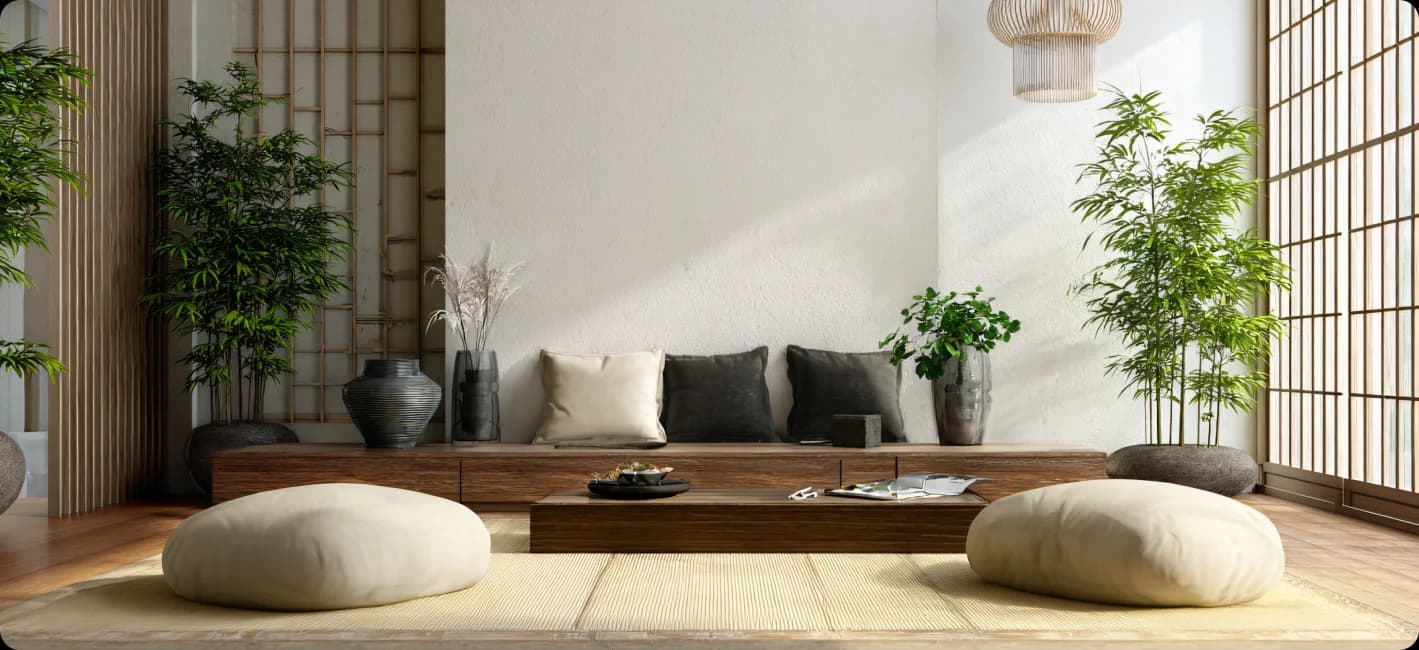
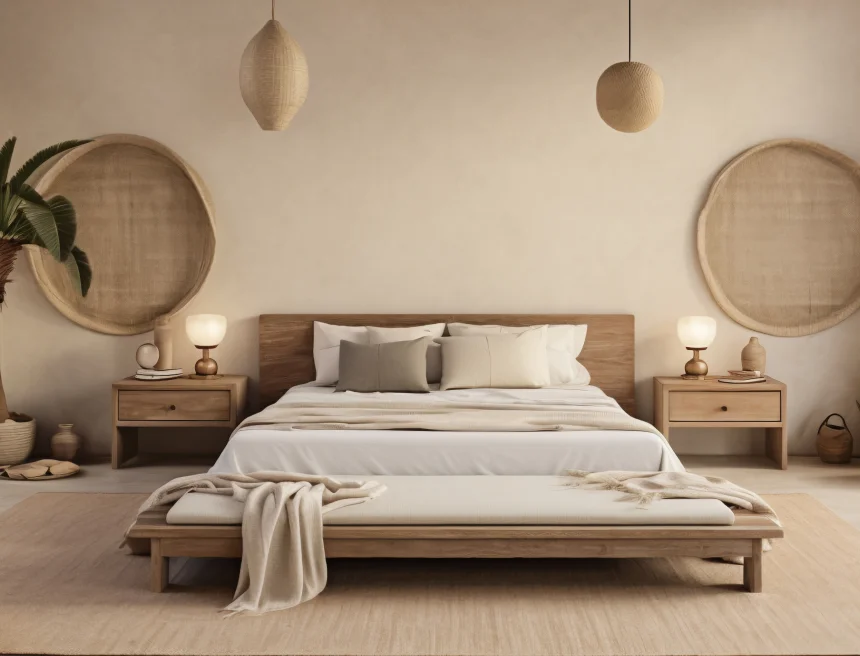
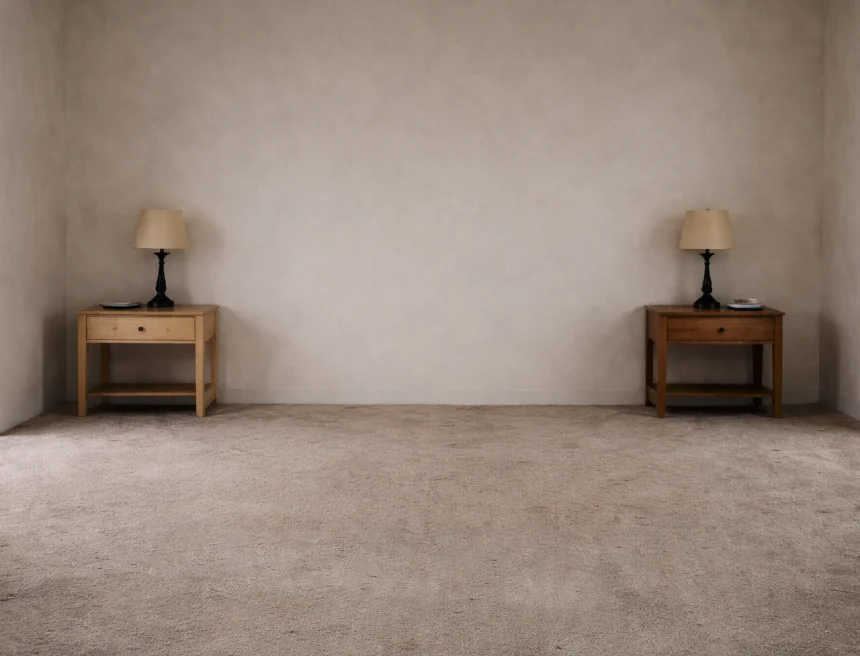
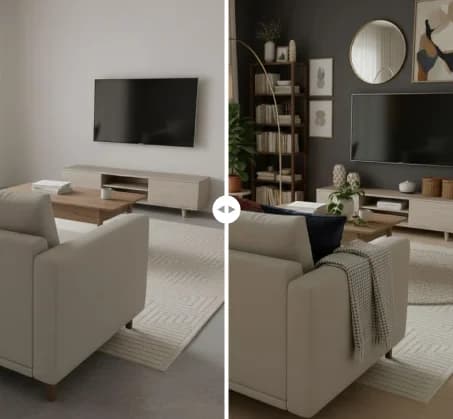
Watch how a cluttered layout becomes a calm Japandi sanctuary through low-profile furniture and natural material harmony.
What Defines Zen Japandi Interiors?
Minimal but Warm
Spaces remain uncluttered, yet soft textures and natural materials prevent the room from feeling cold or empty.
Nature-Centered Materials
Wood, linen, cotton, stone, and ceramics dominate the palette, creating a grounded connection to nature.
Purposeful Design
Every object has a role. Furniture and décor are chosen carefully for both function and visual harmony.
Balanced Simplicity
Clean lines and open layouts create visual calm, while subtle texture layering adds warmth and depth.
Quiet Elegance
Instead of dramatic décor, the beauty of Japandi interiors comes from craftsmanship, proportion, and restrained styling.
Zen Japandi interiors encourage slower living and thoughtful design choices. The result is a space that feels peaceful, refined, and deeply connected to natural simplicity.
The Atmosphere Zen Japandi Design Creates
Zen Japandi interiors create an atmosphere of quiet calm and balanced simplicity. The space feels uncluttered, warm, and naturally harmonious. Soft lighting, neutral tones, and organic textures work together to produce a peaceful environment that encourages relaxation and mindful living.
- ·Calm
- ·Grounded
- ·Minimal
- ·Warm
- ·Balanced
- ·Restful
The overall effect is a space that feels intentional, quiet, and deeply comfortable perfect for slowing down and reconnecting with the essentials of everyday living.
Ideal Applications for Zen Japandi Design
Zen Japandi style works especially well in:
- ·Modern apartments
- ·Bedrooms and relaxation spaces
- ·Living rooms with natural light
- ·Home offices or reading areas
- ·Meditation or wellness rooms
- ·Boutique cafés and minimalist retail spaces
Rooms with natural daylight enhance the warmth of wood textures and soft neutral tones that define Japandi interiors. Even smaller spaces can adopt the style effectively by using low-profile furniture, clean layouts, and a restrained decorative approach.
Why Zen Japandi Remains Relevant in 2026?
Zen Japandi continues to grow in popularity because modern living is moving toward calmer, more intentional spaces. Homes are now expected to support focus, wellbeing, and mental clarity not just aesthetics. Japandi fits this shift perfectly through minimal clutter, warm neutrals, and nature-led materials.
Two modern interpretations are shaping Zen Japandi interiors today:
Both directions preserve the same core strength: a balanced interior that feels calm, warm, and effortlessly livable.
How RenoAI Visualizes Zen Japandi Interiors Instantly
Transform any room into a calm Zen Japandi space using RenoAI’s AI-powered design visualization in just a few simple steps.
RenoAI allows Zen Japandi interiors to be explored and refined before any physical redesign begins.
Click here to See the tutorialThe Origins of Zen Japandi: Where Japanese Calm Meets Nordic Comfort
Zen Japandi emerged from the natural overlap between Japanese and Scandinavian design principles. Japanese interiors focus on simplicity, mindful living, and harmony with nature. Scandinavian design brings functional comfort, soft warmth, and everyday practicality.
The blend became more prominent as global interiors shifted away from heavy decoration and toward spaces that feel restorative. Japandi answers this need by combining minimal layouts with tactile textures wood grain, linen fabric, ceramics, and soft matte finishes.
Rather than being trend-led, Zen Japandi is principle-led. It prioritizes balance, purpose, and natural material honesty making it one of the most sustainable and timeless design directions for modern homes.
Core Characteristics of Zen Japandi Interiors
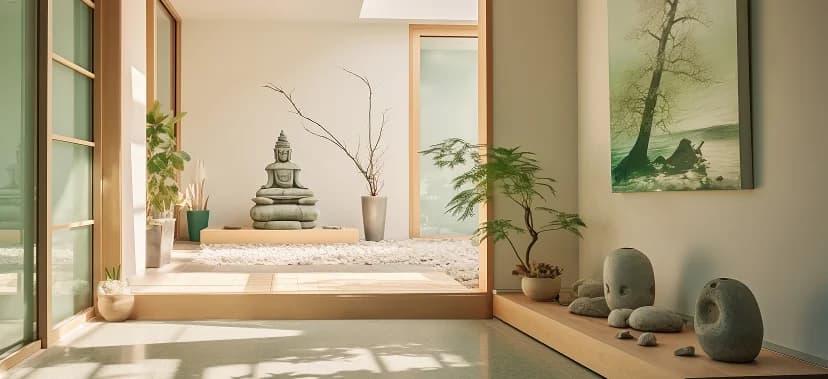
Zen Japandi interiors blend the quiet restraint of Japanese design with the warmth and functionality of Scandinavian aesthetics. The style focuses on creating calm environments where simplicity, natural materials, and thoughtful composition work together to form a balanced and comfortable space.
Rather than filling a room with decorative elements, Japandi interiors emphasize clarity, purpose, and craftsmanship. Every material, object, and furniture piece contributes to the overall sense of harmony.
Below are the defining characteristics that shape authentic Zen Japandi spaces.
1. Minimal Yet Inviting Spaces
Zen Japandi interiors prioritize simplicity without making the space feel cold or empty. The design removes unnecessary visual noise while maintaining warmth and comfort through natural textures and carefully selected furnishings.
- ·Clean architectural lines
- ·Open and uncluttered layouts
- ·Limited decorative elements
- ·Calm visual rhythm across surfaces
The result is a space that feels peaceful, breathable, and visually balanced.
2. Natural Materials and Textures
Organic materials are central to Japandi design because they introduce warmth and authenticity into minimal spaces. Surfaces often showcase the natural grain and imperfections of materials, reinforcing the connection to nature.
- ·Light oak and ash wood
- ·Linen and cotton fabrics
- ·Woven rattan or cane accents
- ·Handmade ceramics and pottery
- ·Natural stone elements
These materials soften the minimal structure and add depth without creating visual heaviness.
3. Low-Profile Furniture
Furniture in Japandi interiors tends to sit lower to the ground, a characteristic influenced by traditional Japanese interiors. Low silhouettes create a grounded atmosphere and help maintain visual openness.
- ·Low sofas with simple silhouettes
- ·Platform beds with clean frames
- ·Minimal wooden coffee tables
- ·Compact benches or stools
This approach keeps the room feeling calm and spacious.
4. Muted Neutral Color Palette
Color in Zen Japandi interiors remains restrained and earthy. Instead of bright contrasts, the palette focuses on subtle tonal variations that support relaxation and visual harmony.
- ·Warm white
- ·Soft beige
- ·Light grey
- ·Earthy brown
- ·Muted charcoal
These tones provide a calm background while allowing textures and materials to stand out.
5. Thoughtful Decorative Elements
Decoration is intentional and minimal in Japandi interiors. Each object is selected carefully to contribute to the atmosphere rather than simply filling space.
- ·Simple ceramic vases
- ·Sculptural branches or greenery
- ·Handmade pottery
- ·Minimal framed artwork
The emphasis is on quality and craftsmanship rather than quantity.
Zen Japandi Color Palette Guide
Zen Japandi interiors rely on calm, earthy tones that create a quiet and balanced atmosphere. Instead of bold contrasts, the palette focuses on natural hues inspired by wood, stone, sand, and soft daylight. The goal of the Japandi color palette is to maintain visual harmony while allowing textures and materials to stand out.
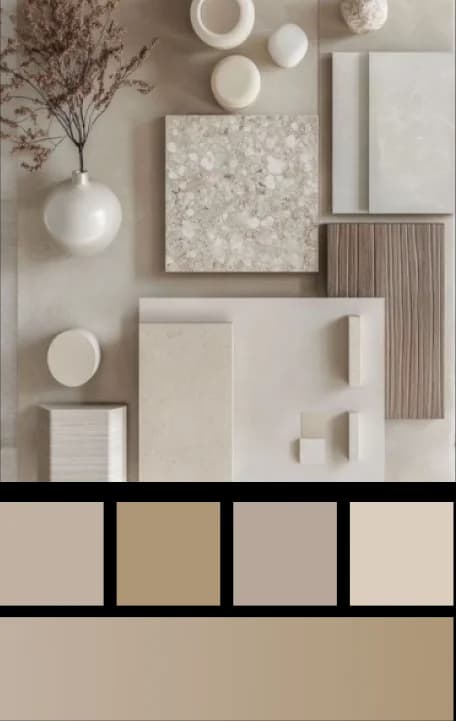
Soft Neutral Foundations
Common base colors include:
- Soft Whites
- Creamy & Ivory Tones
- Light Beige & Linen Tones
- Soft Greige & Taupe
- Pale Grey Tones
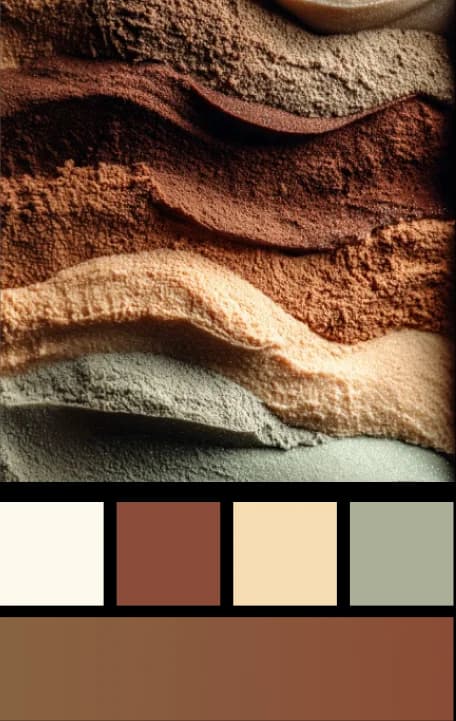
Earthy Natural Tones
Typical earthy tones include:
- Sand & Beige Tones
- Clay & Terracotta Tones
- Brown & Wood Tones
- Olive & Natural Greens
- Stone & Mineral Tones
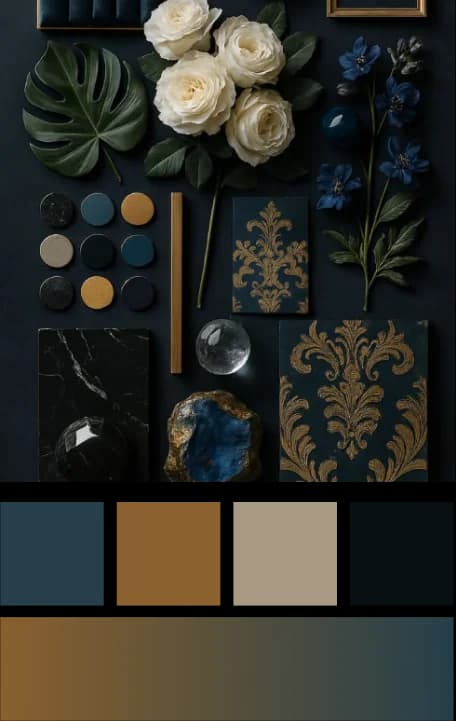
Dark Contrast Accents
Accent shades may include:
- Black Tones
- Charcoal & Deep Greys
- Deep Browns
- Deep Blues
- Dark Green Tones
How to Create Furniture & Decor in Zen Japandi Design
Furniture and décor in Zen Japandi interiors focus on simplicity, craftsmanship, and natural materials. Instead of filling the space with decorative items, the design prioritizes a few well-made pieces that bring both function and visual harmony.
Japandi furniture blends the clean minimalism of Japanese design with the comfort-focused practicality of Scandinavian interiors. The result is a space that feels calm, warm, and thoughtfully arranged.
Low-Profile Furniture
Furniture sits closer to ground.
- Low sofas with clean silhouettes
- Platform beds in natural wood
- Minimal wooden coffee tables
- Simple benches or stools
Creates calm and grounded interiors.
Natural Wood Elements
Natural wood defines Japandi interiors.
- Oak or ash dining tables
- Light wood cabinets
- Wooden benches and shelving
- Minimal wood bed frames
Adds warmth to minimal spaces.
Soft Textiles and Fabrics
Soft textiles bring warmth indoors.
- Linen upholstery
- Cotton cushions
- Neutral wool throws
- Light woven rugs
Balances minimal interiors with comfort.
Simple and Thoughtful Decor
Decor remains minimal and intentional.
- Handmade ceramic vases
- Sculptural pottery
- Minimal wall art
- Simple greenery or branches
Maintains harmony and visual balance.
How to Create a Zen Japandi Interior: Step-by-Step Guide
Start with a Calm Neutral Base
Zen Japandi interiors begin with soft, natural tones that create visual quiet and balance.
Warm White Walls
Soft whites reflect natural light and create an open, peaceful foundation.
Sand Beige Paint
Muted beige tones add warmth without overpowering the minimalist palette.
Light Wood Flooring
Oak or ash flooring enhances natural warmth and simplicity.
Minimal Ceiling Finish
Clean ceilings keep the space visually calm and uncluttered.
Design Insight: Japandi spaces feel best when the background remains calm and understated.
Choose Low-Profile Furniture
Japandi furniture sits closer to the ground to create a grounded and balanced atmosphere.
Low Wooden Sofa
Simple wood frames with neutral upholstery maintain visual calm.
Platform Bed
Minimal wooden bed frames reflect traditional Japanese interiors.
Compact Coffee Table
Low rectangular or round tables keep the layout open.
Wooden Bench Seating
Simple benches add function without visual heaviness.
Design Insight: Lower furniture creates a sense of calm and openness in the room.
Introduce Natural Materials
Bring organic textures to warm minimal spaces.
- ·Light oak wood surfaces
- ·Linen and cotton upholstery
- ·Handmade ceramic decor accents
- ·Woven rattan furniture details
- ·Natural stone tabletop elements
- ·Soft textured woven rugs
Keep Layouts Open and Balanced
Japandi interiors prioritize calm spatial flow.
Clear Walking Paths
Avoid overcrowding furniture arrangements.
Centered Furniture Layout
Maintain visual symmetry and balance.
Uncluttered Surfaces
Limit decorative objects on tables and shelves.
Spacious Furniture Placement
Allow breathing room between pieces.
Balanced spacing creates the calm atmosphere Japandi interiors are known for.
Add Soft Textile Layers
Textiles introduce comfort while keeping the space minimal.
Neutral Linen Curtains
Light fabrics soften daylight beautifully.
Cotton Cushion Covers
Subtle texture without strong color contrast.
Wool Throws
Warm natural fabrics add comfort to seating areas.
Woven Rugs
Neutral rugs anchor the room without visual heaviness.
Soft textiles help minimal spaces feel warm and welcoming.
Introduce Simple Natural Decor
Minimal decor enhances calm visual balance.
- ·Neutral ceramic vases
- ·Sculptural dried branches
- ·Simple framed wall art
- ·Small indoor greenery accents
- ·Handcrafted pottery pieces
- ·Minimal wooden decor objects
8 Common Mistakes in Zen Japandi Interiors
Zen Japandi interiors rely on balance, simplicity, and intentional design. When key principles are misunderstood, the space can lose its calm and harmonious character. Avoiding these common mistakes helps maintain the refined and peaceful atmosphere that defines Japandi design.
Mistake #1: Overdecorating the Space
Adding too many decorative objects disrupts the calm visual flow.
Correction: Keep décor minimal and focus on a few meaningful pieces.
Mistake #2: Using Too Many Colors
Japandi interiors should not feel visually busy.
Correction: Limit the palette to soft neutrals and earthy tones.
Mistake #3: Choosing Heavy or Bulky Furniture
Large or ornate furniture breaks the clean, open composition.
Correction: Select low-profile furniture with simple silhouettes.
Mistake #4: Ignoring Natural Materials
Synthetic finishes can make the space feel artificial.
Correction: Prioritize wood, linen, ceramics, and other organic textures.
Mistake #5: Creating Cold Minimalism
Removing too many elements can make the room feel empty or sterile.
Correction: Add warmth through textiles, wood tones, and subtle texture layering.
Mistake #6: Poor Lighting Choices
Harsh lighting disrupts the calm mood of Japandi interiors.
Correction: Use soft ambient lighting and natural daylight where possible.
Mistake #7: Cluttered Surfaces
Crowded shelves and tabletops reduce visual clarity.
Correction: Keep surfaces mostly open and display only a few intentional objects.
Mistake #8: Mixing Too Many Design Styles
Mixing too many styles breaks Japandi visual harmony.
Correction: Keep Japanese minimalism and Scandinavian warmth balanced across the space.
50+ Zen Japandi Interior Transformations
Discover how everyday rooms evolve into calm, balanced Zen Japandi spaces through minimal design, natural textures, and harmonious layouts.
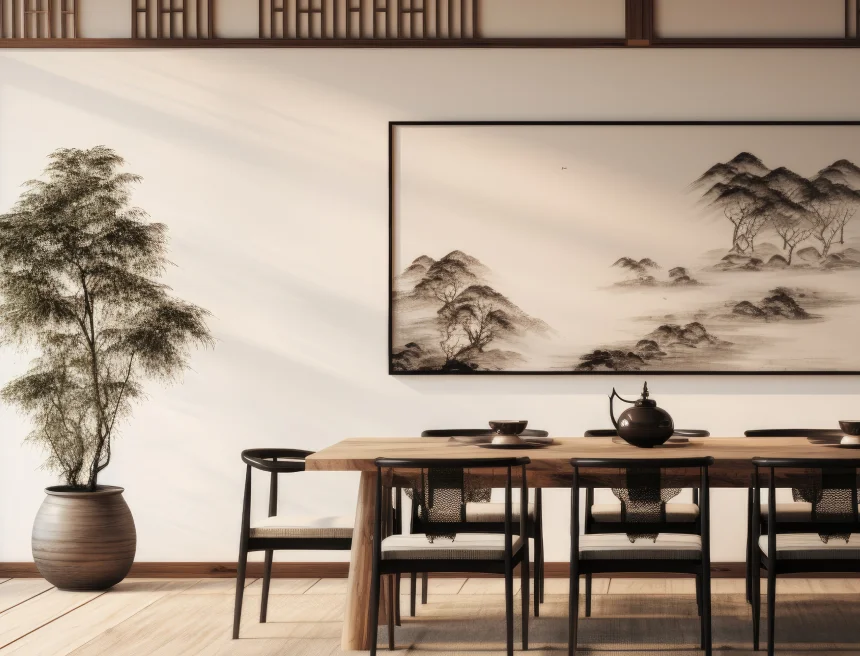

Experience how warm wood tones, soft neutrals, and mindful minimalism reshape your space.
Try Zen Japandi Style on Your Space- Free
Instant AI generation with 100 free credits. No credit card needed.
Start Free Now
Transform Your Space into a Calm Japandi Sanctuary
See how warm wood tones, soft neutrals, and mindful minimalism reshape your space in seconds.
Visualize Japandi Style