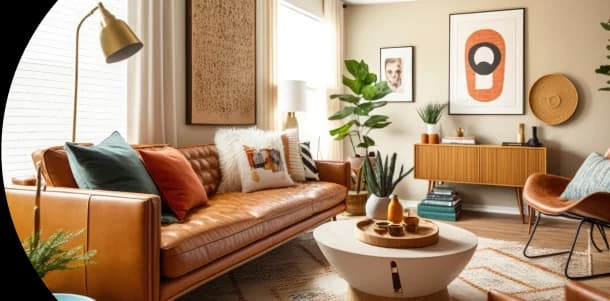
Coastal Interior Design: Light-Filled Spaces Inspired by the Sea
Coastal interior design captures the calm, openness, and effortless beauty of seaside living. Inspired by ocean tones, sandy neutrals, and natural textures, this style creates spaces that feel airy, relaxed, and refreshing.
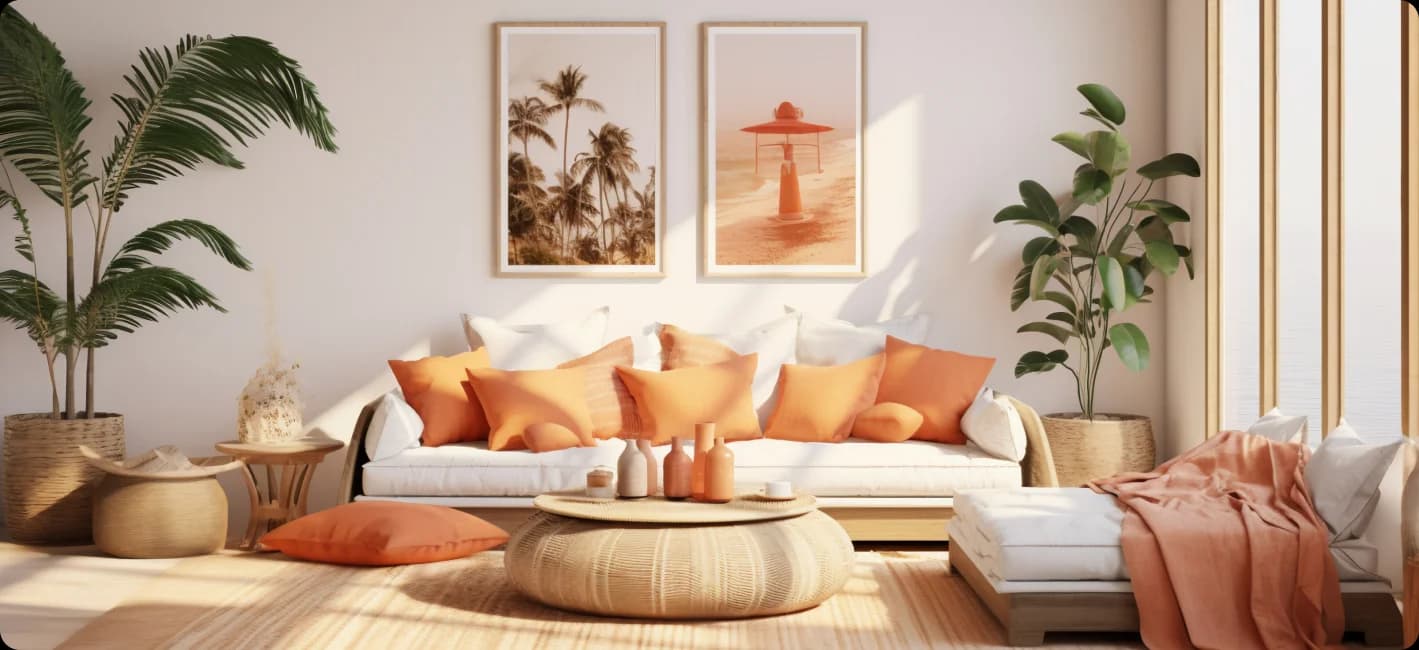
What Defines Coastal Design?
Coastal interiors prioritize light, flow, and simplicity. Soft whites, driftwood finishes, woven accents, and breezy fabrics work together to reflect the ease of beachside environments. Unlike overly themed nautical décor, modern Coastal design focuses on subtle references – texture over symbolism, atmosphere over ornamentation. The result is a space that feels bright, breathable, and naturally elegant. Large windows, light-toned flooring, and organic materials enhance the sense of openness. Every element contributes to a calm visual rhythm, creating interiors that feel restorative and effortlessly inviting.
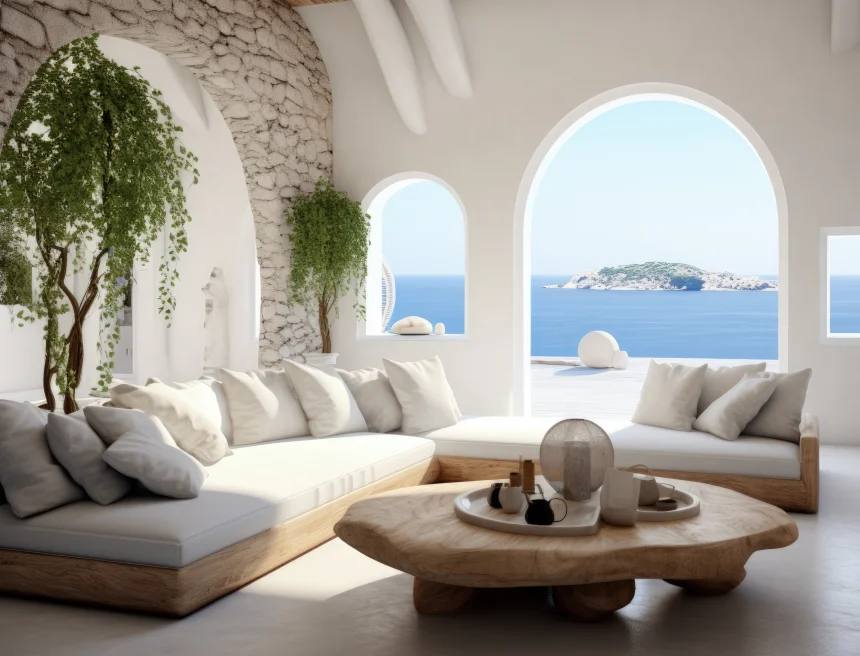
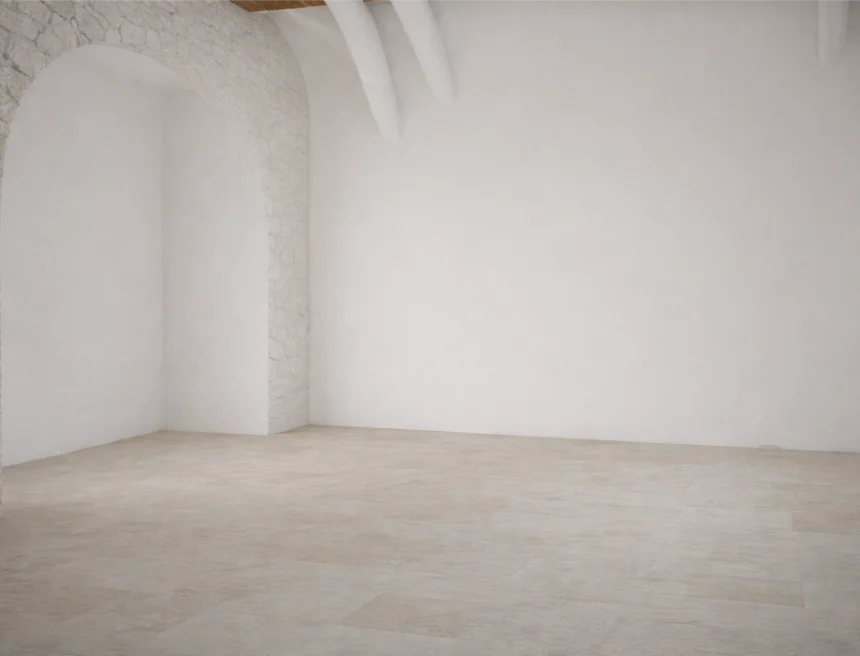
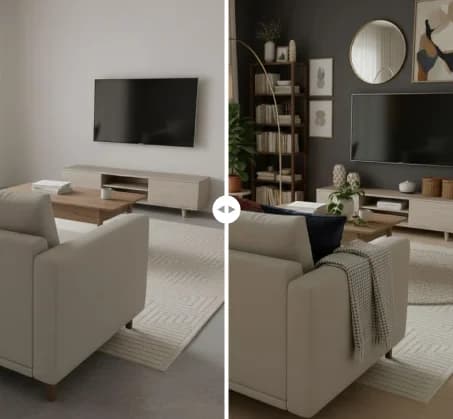
Witness the shift from a dark room to a bright, light-filled coastal escape using sandy neutrals and ocean-inspired tones.
The Essence of Coastal Design — What Defines It
Coastal design is defined by lightness, openness, and organic texture. It draws inspiration from shoreline landscapes – soft sand, pale sky, weathered wood, and shifting ocean tones – without relying on overt nautical themes.
Coastal interiors focus on simplicity and natural balance. Reflecting the ease of beachside living, the style emphasizes comfort and clarity.
What Defines Authentic Coastal Interiors:
Light-Focused Layouts
Open floor plans and minimal visual barriers enhance brightness and airflow.
Soft, Neutral Foundations
Whites, creams, and sandy beiges establish calm structure.
Ocean-Inspired Accents
Muted blues, seafoam greens, and soft grays introduce subtle color depth.
Natural Materials
Rattan, linen, light wood, jute, and cotton reinforce organic warmth.
Understated Styling
Décor remains minimal, favoring texture and craftsmanship over themed accessories.
When neutrals and ocean tones blend seamlessly, the space reflects effortless seaside elegance. Coastal interiors feel breathable, restored, and naturally connected to their surroundings.
The Atmosphere Coastal Design Creates
Coastal interiors evoke calm, clarity, and effortless comfort. The atmosphere feels open and breathable, where light flows freely and materials reflect natural simplicity. Unlike heavily styled themes, Coastal spaces rely on subtle layering and tonal harmony.
- ·Airy
- ·Relaxed
- ·Refreshing
- ·Serene
- ·Naturally Elegant
Coastal design creates interiors that feel restorative and welcoming – spaces designed to mirror the quiet balance and natural rhythm of the shoreline.
Ideal Applications for Coastal Design
Coastal design adapts effortlessly across a range of spaces, especially where light, openness, and natural flow are prioritized. Its relaxed structure and neutral palette allow it to adapt across both compact and expansive interiors. Coastal style works especially well in:
- ·Beach houses and vacation homes
- ·Light-filled apartments
- ·Suburban family homes
- ·Bedrooms and guest suites
- ·Balcony and terrace spaces
- ·Boutique hospitality interiors
Rooms with large windows, high ceilings, or open layouts enhance the airy quality of Coastal design. Even smaller spaces can adopt the style through light color schemes, woven textures, and minimal styling. Natural daylight amplifies the soft whites and ocean-inspired tones that define the aesthetic. When applied thoughtfully, Coastal design transforms interiors into calm, breathable environments rooted in simplicity and comfort.
How RenoAI Visualizes Coastal Interiors Instantly
Transform any space into a refined, high-end interior using RenoAI’s AI-powered visualization in just a few steps.
Coastal interiors can be explored, refined, and finalized with confidence before making any physical changes.
Click here to See the tutorialCore Characteristics of Coastal Interiors
Coastal interiors are defined by lightness, natural materials, and relaxed composition. The style reflects the simplicity of shoreline living while maintaining refined balance and comfort.
Below are the defining characteristics that shape authentic Coastal spaces.
Light & Airy Foundations
Brightness is essential.
- ·White or soft cream walls
- ·Light-toned flooring
- ·Open layouts
- ·Minimal visual barriers
Natural light enhances the sense of space and clarity.
Soft Ocean-Inspired Accents
Color remains subtle and layered.
- ·Muted blues
- ·Seafoam green
- ·Pale gray
- ·Sandy beige
Accent tones support the neutral base without overwhelming it.
Natural Materials & Textures
Organic elements reinforce warmth.
- ·Rattan and cane furniture
- ·Light oak or driftwood finishes
- ·Linen and cotton upholstery
- ·Jute and sisal rugs
Texture adds depth while preserving softness.
Relaxed, Comfortable Layouts
Furniture placement feels effortless.
- ·Deep sofas in neutral fabrics
- ·Simple coffee tables in wood
- ·Open circulation space
- ·Limited heavy ornamentation
The goal is comfort and flow rather than formal symmetry.
Understated Decorative Elements
Décor remains minimal and intentional.
- ·Woven baskets
- ·Ceramic vases
- ·Subtle coastal artwork
- ·Glass or natural stone accents
Avoid overly themed nautical décor. Coastal design favors suggestion over symbolism.
Coastal Color Palette Guide: Choosing the Right Tones
Coastal interiors rely on soft transitions, natural light reflection, and calming tonal harmony. The palette draws from sand, sea, sky, and weathered wood – creating spaces that feel open and refreshing rather than bold or dramatic. A successful Coastal color scheme balances neutral foundations with gentle ocean-inspired accents.
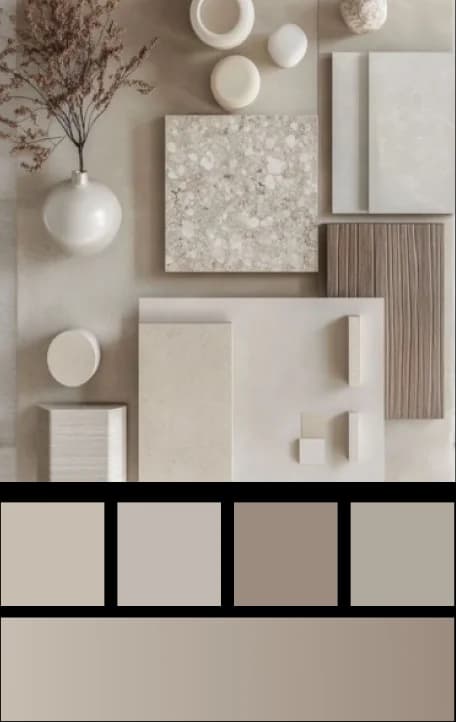
Soft Neutral Foundations
These tones create brightness and visual flow.
- Soft Whites
- Creamy & Ivory Tones
- Light Beige & Linen Tones
- Soft Greige & Taupe
- Pale Grey Tones
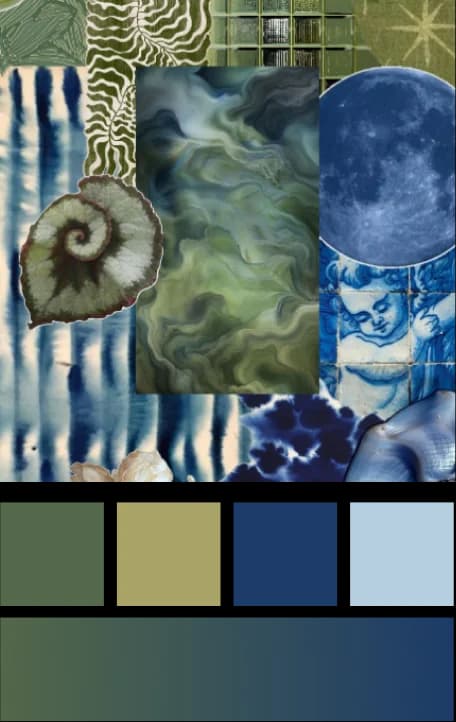
Ocean-Inspired Accent Tones
Accent shades introduce subtle depth.
- Light Ocean Blues
- Medium Sea Blues
- Deep Ocean Blues
- Blue-Green Blends
- Soft Coastal Greens
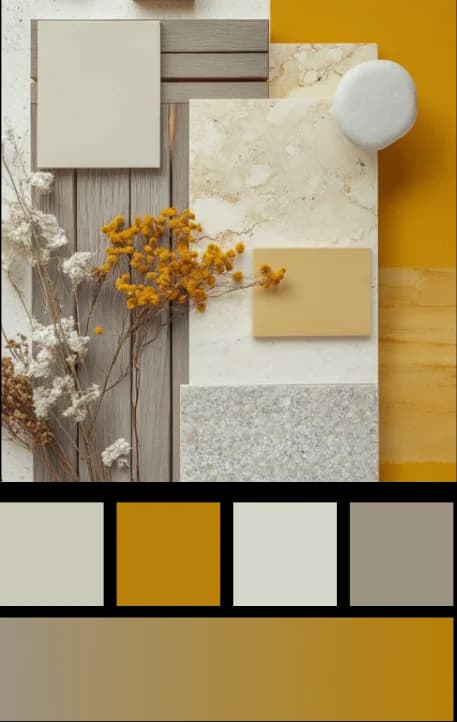
Warm Natural Undertones
To prevent the space from feeling too cool, introduce warmth.
- Warm Whites & Creams
- Beige & Golden Neutrals
- Warm Taupe & Greige
- Soft Earth Browns
- Muted Warm Pastels
How to Select Furniture and Decor for Coastal Design
Furniture and décor in Coastal interiors focus on comfort, lightness, and natural texture. The goal is to create a space that feels relaxed and breathable, without heavy ornamentation or visual clutter.
Coastal styling favors simplicity with warmth.
Light & Relaxed Seating
Seating should feel comfortable and effortless.
- Linen or cotton sofas in soft neutrals
- Slipcovered chairs
- Light wood or rattan accent chairs
- Simple upholstered benches
Silhouettes remain clean and inviting rather than overly structured.
Natural Wood & Woven Elements
Organic materials define the aesthetic.
- Light oak or whitewashed tables
- Rattan or cane cabinets
- Driftwood-inspired finishes
- Woven storage baskets
These elements introduce texture while maintaining visual softness.
Simple, Functional Tables
Tables remain understated yet refined.
- Wooden coffee tables with natural grain
- Glass-top consoles
- Light wood dining tables
- Minimal side tables
Avoid heavy, dark finishes that disrupt brightness.
Soft Textile Layering
Textiles enhance warmth and movement.
- Linen drapery
- Cotton throws
- Light-patterned cushions
- Jute or sisal rugs
Layer fabrics in complementary tones to reinforce calm harmony.
Subtle Decorative Accents
Décor should feel natural and intentional.
- Ceramic vases
- Coastal-inspired artwork
- Glass accents
- Soft-toned framed prints
- Indoor plants
Avoid overt nautical themes. Coastal design suggests the seaside rather than directly referencing it. Coastal furniture and décor succeed when simplicity, texture, and natural light work together. The result is a space that feels fresh, comfortable, and effortlessly refined.
How to Create a Coastal Interior: Step-by-Step Guide
Design a bright, breezy, and relaxed Coastal space with these practical and easy-to-follow steps.
Start with a Light & Airy Base
Coastal design begins with brightness. Establish a soft, open foundation:
Soft White Walls
Warm white or creamy tones to reflect natural light beautifully.
Sandy Neutral Paint
Light beige or driftwood gray for subtle coastal warmth.
Pale Wood Flooring
Whitewashed oak or light-toned timber to enhance openness.
Minimal Ceiling Detailing
Clean lines or subtle molding to maintain visual simplicity.
Design Insight: The lighter the base, the more breathable the space feels. Coastal style thrives on brightness, not contrast.
Introduce Gentle Ocean Hues
Layer color inspired by sea and sky without overwhelming the room:
Powder Blue Accents
Seafoam Highlights
Soft Slate Touches
Muted Aqua Details
Design Insight: Coastal color should feel sun-washed and softened, never saturated or bold.
Layer Natural Textures
Texture replaces heaviness in Coastal interiors:
- ·Linen Upholstery - Breathable fabric for sofas and chairs
- ·Jute Area Rugs - Organic grounding layer for warmth
- ·Rattan Furniture - Light woven chairs or accent pieces
- ·Woven Storage Baskets - Functional texture that maintains simplicity
Design Insight: Texture creates depth without adding visual weight.
Keep Layouts Open & Relaxed
Furniture placement should enhance flow:
- ·Low-Profile Sofa - Streamlined silhouette in neutral fabric
- ·Minimal Coffee Table - Light wood or glass surface
- ·Clear Window Zones - Avoid blocking natural light
- ·Open Circulation Paths - Maintain easy movement between zones
Design Insight: Coastal interiors feel effortless when furniture allows light and airflow to move freely.
Add Subtle Coastal Accents
Decor should suggest the sea, not theme it:
Glass Vases
Clear or sea-toned glass for light reflection.
Ceramic Bowls
Handmade neutral pottery accents.
Coastal Artwork
Soft landscape or abstract ocean prints.
Driftwood-Inspired Decor
Natural wood textures for organic warmth.
Design Insight: Suggestion is stronger than symbolism. Avoid overt nautical themes.
Maintain Open Layouts
Furniture placement should feel effortless.
- ·Allow clear walking paths
- ·Avoid blocking windows
- ·Keep visual barriers minimal
The room should feel spacious and fluid.
Add Subtle Coastal Accents
Decor should hint at the seaside.
- ·Soft landscape artwork
- ·Glass vases
- ·Ceramic bowls
- ·Driftwood-inspired elements
Avoid overly themed nautical décor.
Keep Surfaces Clean
Coastal style values simplicity.
- ·Limit decorative objects
- ·Keep tabletops partially open
- ·Use hidden storage where possible
Clutter reduces the sense of calm.
Introduce Greenery
Plants enhance freshness.
- ·Potted palms
- ·Simple leafy plants
- ·Neutral ceramic planters
Green elements soften the palette.
Edit for Airiness
Before finalizing the space:
- ·Remove heavy elements
- ·Lighten dark accents
- ·Balance cool and warm tones
Coastal interiors should feel effortless, breathable, and naturally refined.
7 Common Mistakes to Avoid in Coastal Interior Design
Coastal interiors are calm, bright, and naturally balanced. When misapplied, the style can feel themed, heavy, or visually flat. Avoid these common mistakes to maintain authentic seaside elegance.
Mistake #1: Overusing Nautical Décor
Too many anchors, ropes, and ship motifs create a themed look rather than refined Coastal style.
Correction: Use subtle references – soft artwork, woven textures, and ocean-inspired tones.
Mistake #2: Choosing Heavy, Dark Furniture
Dark wood and bulky pieces reduce brightness and openness.
Correction: Select light-toned woods, linen upholstery, and streamlined silhouettes.
Mistake #3: Relying on Only Blue
Coastal is more than blue walls and cushions.
Correction: Balance blues with sandy neutrals, warm whites, and natural wood finishes.
Mistake #4: Ignoring Texture
Flat white rooms without material variation feel sterile rather than coastal.
Correction: Layer linen, jute, rattan, and soft textiles to add warmth and dimension.
Mistake #5: Overcrowding Surfaces
Too many decorative items disrupt calm flow.
Correction: Keep tabletops partially open and style selectively.
Mistake #6: Poor Lighting Choices
Harsh lighting removes softness.
Correction: Use warm bulbs, natural daylight, and layered light sources.
Mistake #7: Blocking Natural Light
Heavy drapes or large furniture near windows limit the airy feel.
Correction: Use sheer curtains and maintain clear pathways for light.
Coastal interiors succeed when simplicity, texture, and brightness remain the priority. Light, space, and subtlety define true seaside elegance.
Room-by-Room Coastal Interior Guide
Coastal design adapts seamlessly across different spaces when light, texture, and simplicity remain consistent. Each room should feel open, relaxed, and naturally balanced.
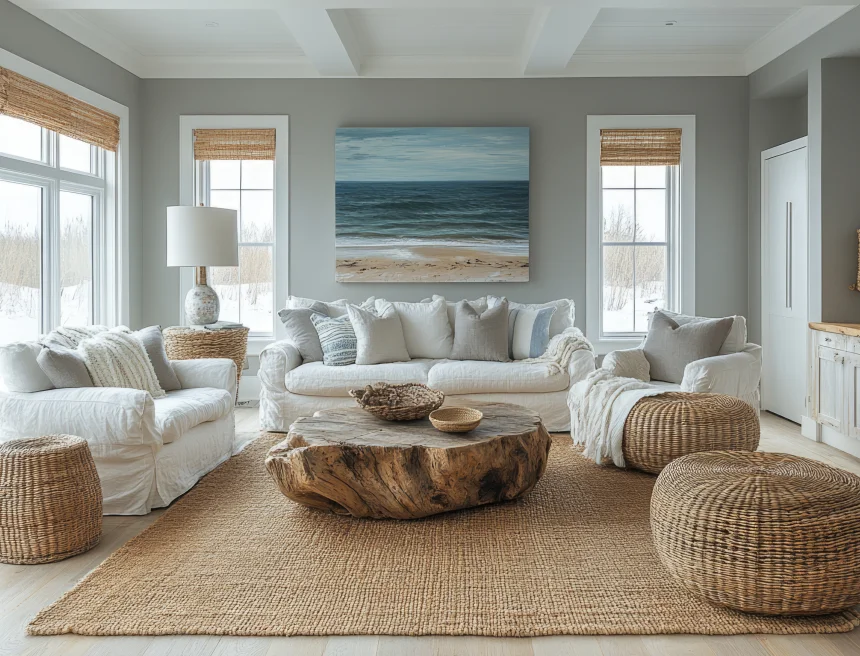
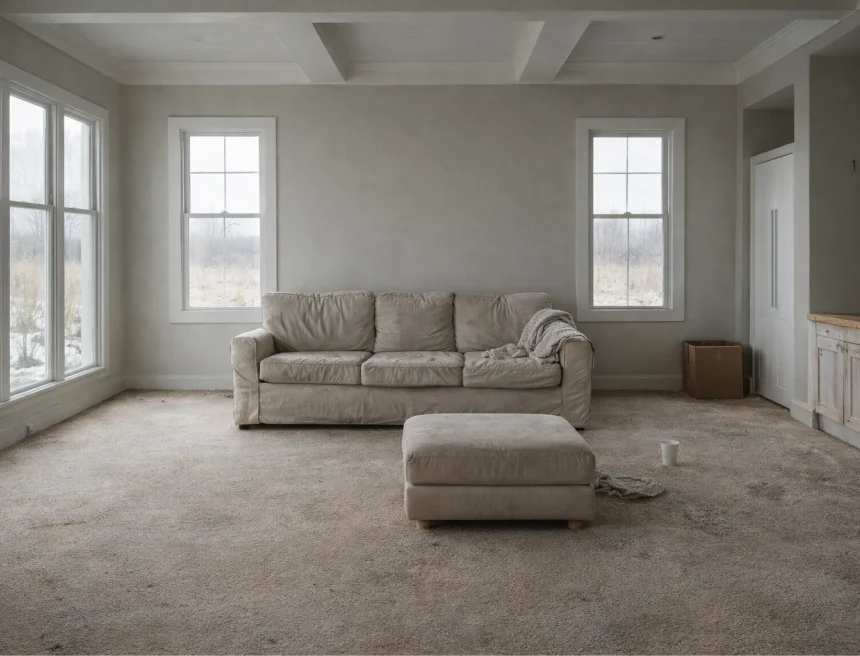
The living room should feel bright and breathable. · Linen or cotton neutral sofa · Light wood coffee table · Jute or sisal rug · Soft blue or seafoam cushions · Sheer window treatments Keep layout open and uncluttered to enhance flow.
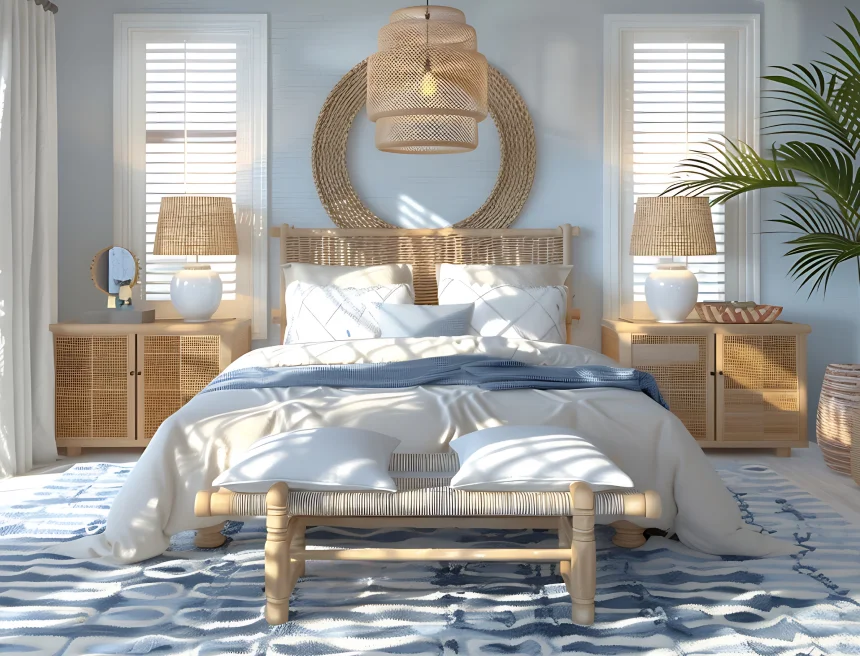
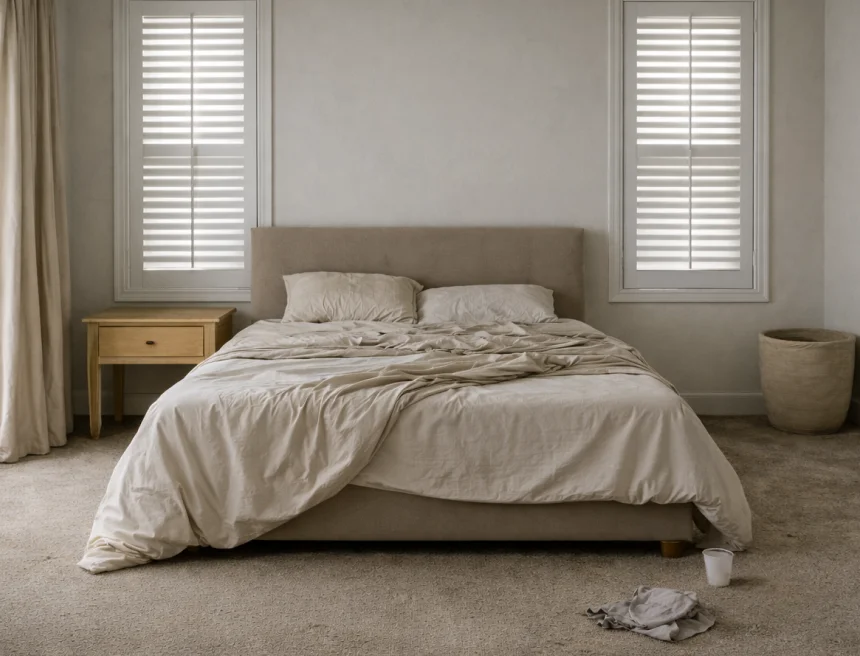
Bedrooms emphasize softness and calm. · White or cream bedding · Subtle blue accent pillows · Light wood nightstands · Minimal décor · Warm ambient lighting The atmosphere should feel airy and restorative.
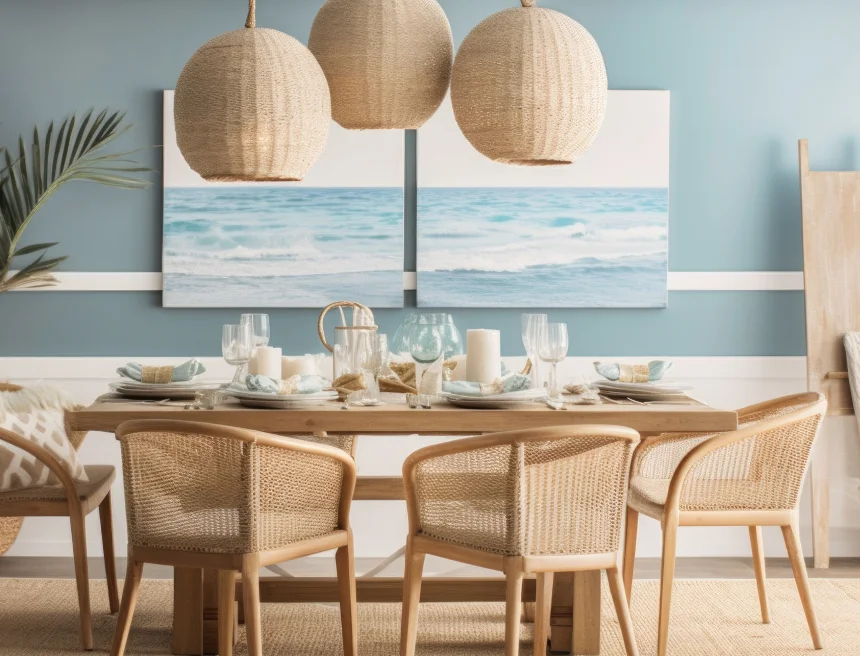
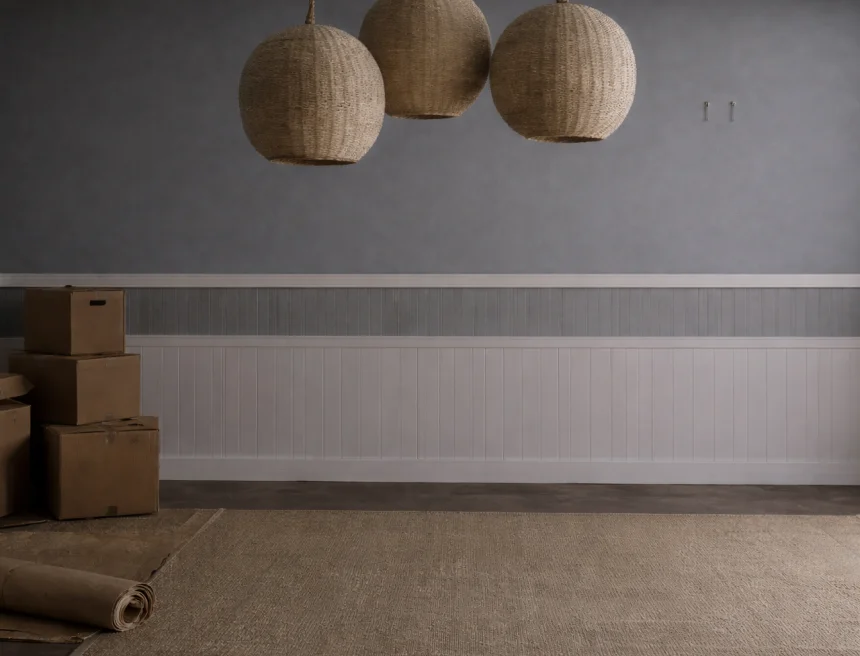
Dining areas balance simplicity and warmth. · Light oak dining table · Mixed natural fiber chairs · Neutral table runner · Minimal centerpiece · Glass or ceramic accents Keep the styling understated and natural.
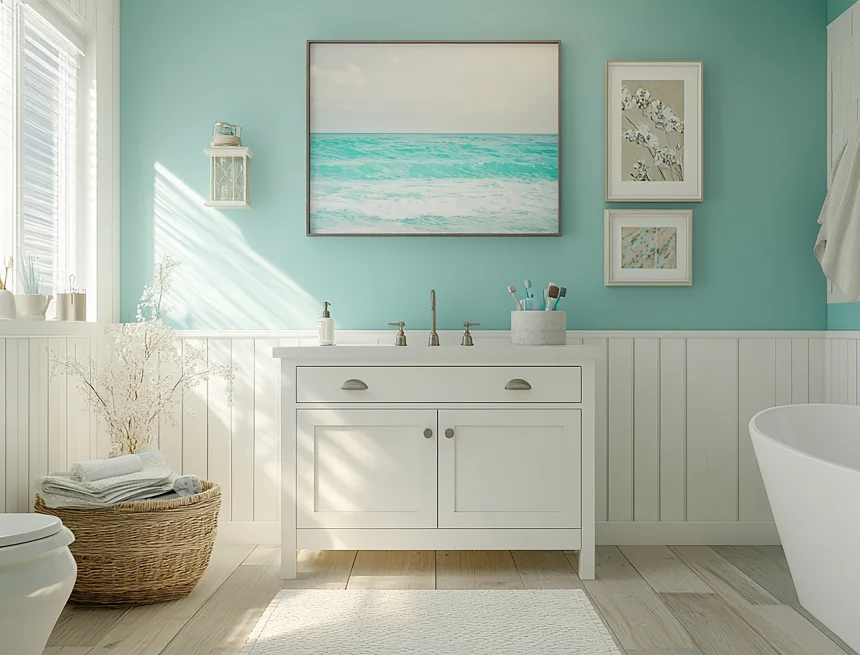
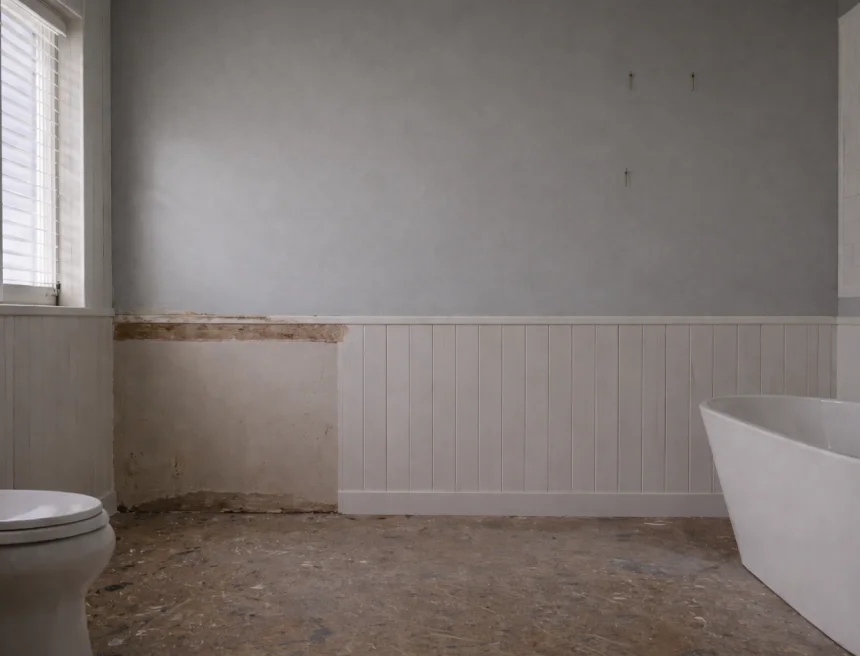
Bathrooms benefit from brightness and texture. · White tile or marble surfaces · Soft gray or sandy towels · Woven storage baskets · Minimal decorative elements · Natural light where possible Freshness and cleanliness define the mood.
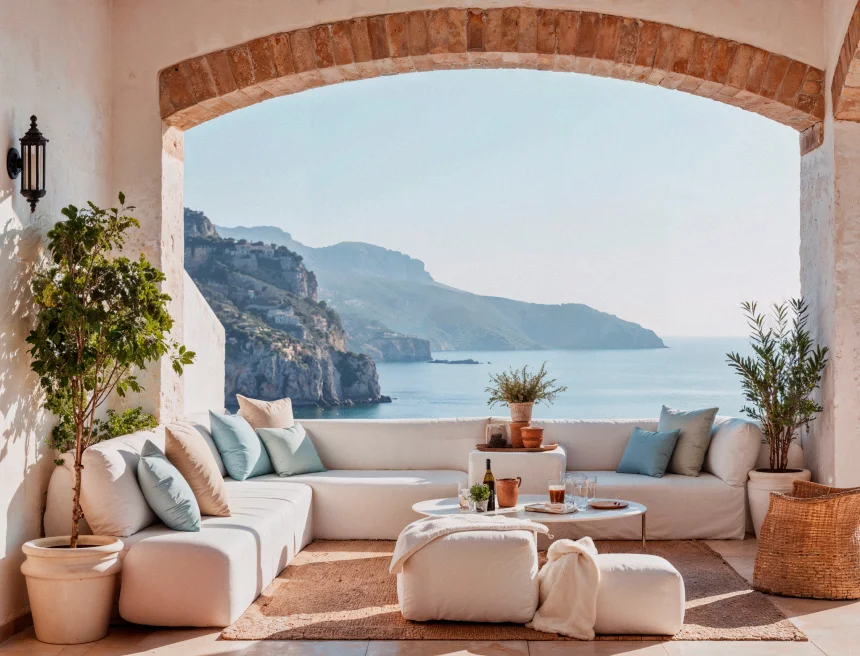
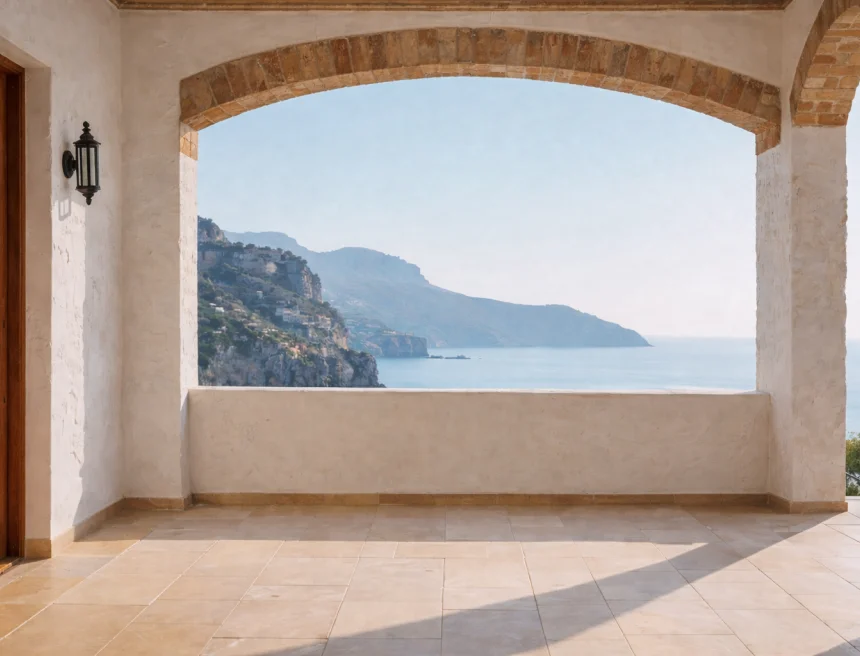
Outdoor areas extend the airy aesthetic. · Rattan seating · Neutral outdoor cushions · Potted greenery · Lantern-style lighting · Light woven rugs The space should feel relaxed and connected to nature.
Try Coastal Style on Your Space- Free
Instant AI generation with 100 free credits. No credit card needed.
Start Free Now
Bring the Calm of the Coast Into Your Space
Upload your room photo and explore airy layouts, sunlit neutrals, and soft ocean-inspired tones in seconds.
Explore Coastal Now