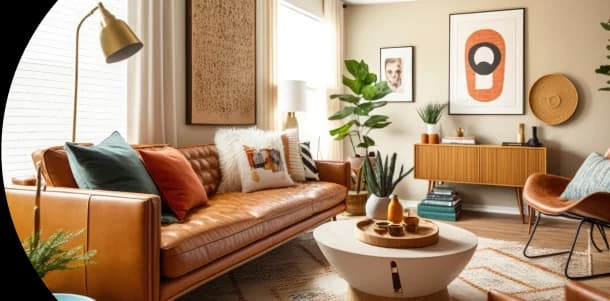
Rustic Interior Design: Warm Spaces Inspired by Nature
Rustic interior design blends natural materials, earthy tones, and handcrafted elements to create warm, inviting spaces. Inspired by countryside living, it celebrates raw textures, reclaimed wood, and imperfect beauty.
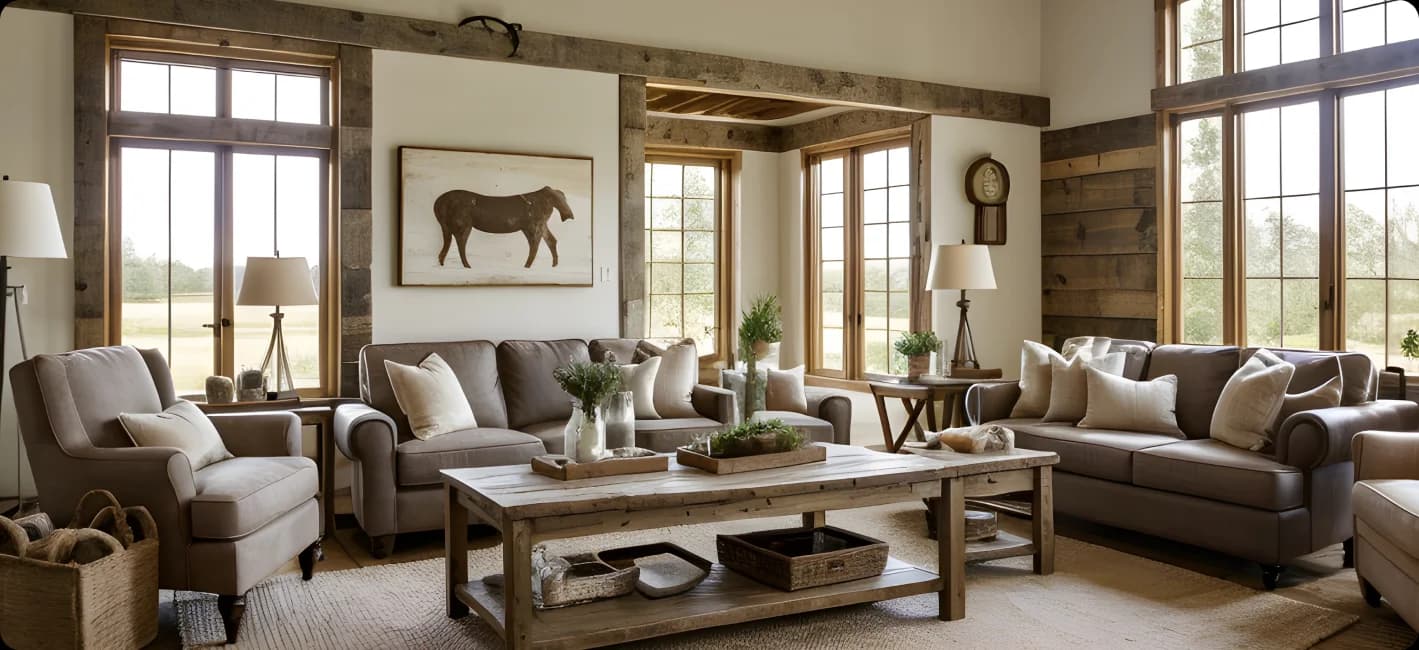
What Defines Authentic Rustic Interiors?
- ·Natural Materials First: Solid wood, stone, leather, and woven fibers form the foundation of Rustic spaces.
- ·Warm Earth-Toned Palette: Colors reflect nature—warm browns, soft creams, clay tones, and forest greens.
- ·Visible Architectural Elements: Exposed wood beams, stone fireplaces, and timber frames add structural charm.
- ·Handcrafted Character: Furniture and décor often appear artisanal or reclaimed, emphasizing authenticity.
- ·Comfort-Focused Layouts: Spaces prioritize warmth, relaxed seating, and welcoming gathering areas.
Rustic interiors feel grounded and timeless, combining the strength of natural materials with the comfort of a lived-in home.
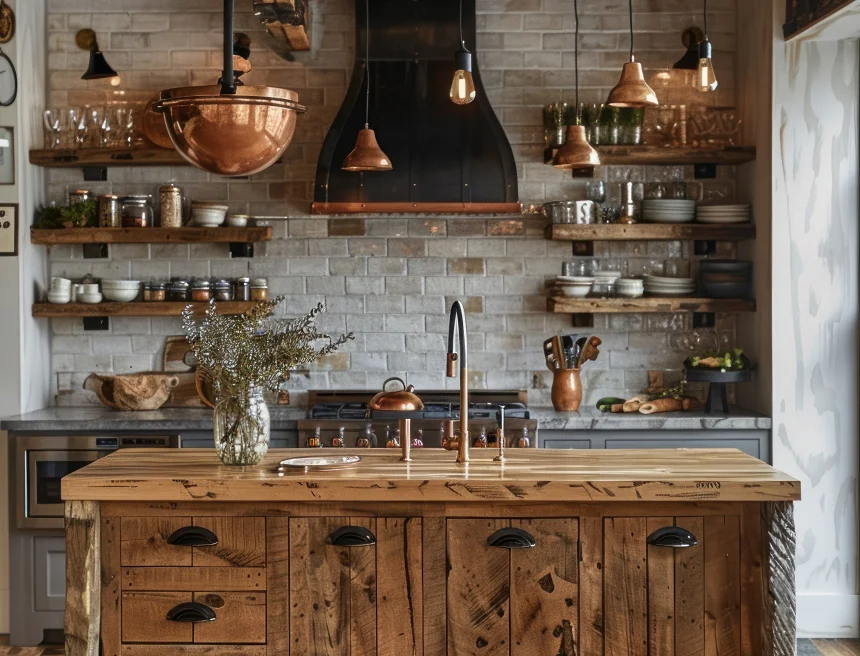
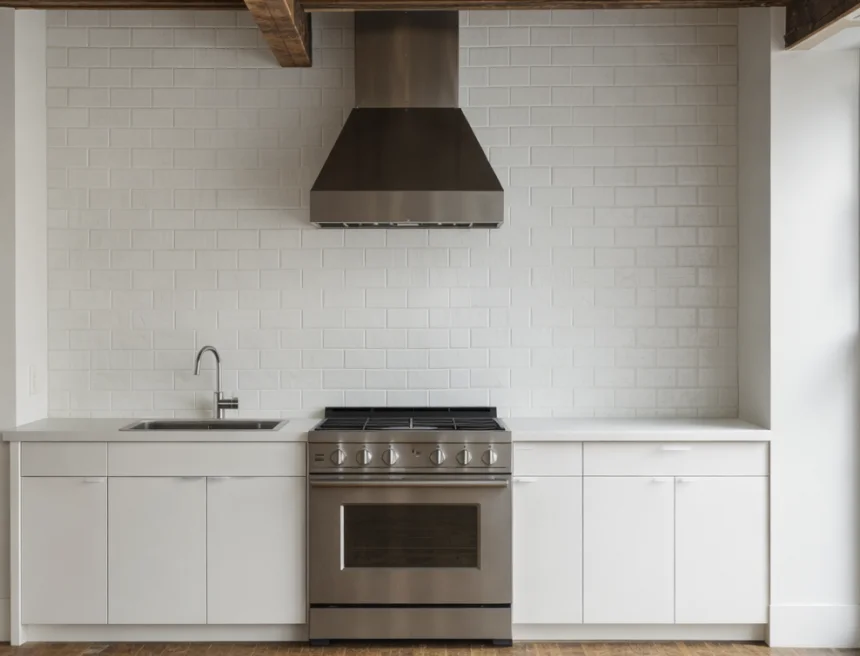
Witness the shift from a plain room to a warm, nature-inspired Rustic space.
The Atmosphere Rustic Design Creates
Rustic interiors create a sense of warmth, comfort, and grounded simplicity. The atmosphere feels welcoming and relaxed, where natural textures and earthy tones form a calm and inviting environment. Unlike highly polished styles, Rustic design embraces natural character and lived-in charm. Materials like weathered wood, stone, and linen soften the space while adding visual depth.
- ·Warm
- ·Cozy
- ·Natural
- ·Grounded
- ·Inviting
Ideal Applications for Rustic Design
Rustic design works best in spaces where warmth, texture, and natural materials can take center stage. Its organic character adapts beautifully to both countryside homes and modern interiors seeking comfort and authenticity. Rustic style is especially suited for:
- ·Mountain cabins and countryside homes
- ·Farmhouses and rural retreats
- ·Living rooms with fireplaces
- ·Cozy bedrooms and reading corners
- ·Dining areas with large wooden tables
- ·Lodges, boutique resorts, and hospitality spaces
Why Rustic Design Remains Relevant in 2026?
Rustic interiors continue to resonate as homeowners seek spaces that feel warm, authentic, and connected to nature. Natural materials and organic textures align well with today’s preference for sustainable and grounded living environments. Modern architecture often blends clean contemporary forms with tactile materials like wood, stone, and linen. Rustic design complements this shift by introducing character, warmth, and visual depth without compromising simplicity.
Two major interpretations dominate current interiors:
Both approaches preserve the style’s core strength: honest materials, handcrafted character, and interiors that feel comfortable, timeless, and deeply connected to natural surroundings.
How RenoAI Visualizes Rustic Interiors Instantly?
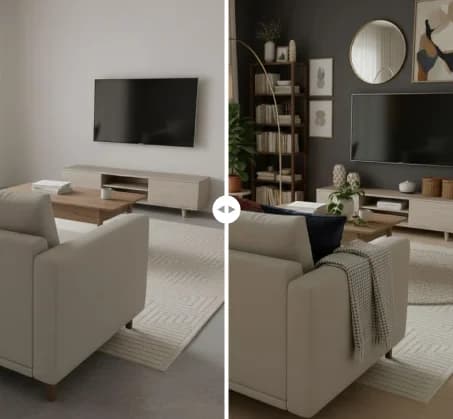
Transform a simple room into a warm, nature-inspired Rustic space in just a few guided steps using RenoAI.
Rustic interiors are deeply rooted in natural materials and timeless craftsmanship. By visualizing Rustic design through RenoAI, homeowners and designers can explore how wood textures, stone accents, warm lighting, and earthy color palettes interact within a real space.
The platform helps translate traditional countryside aesthetics into modern interiors without losing authenticity. From reclaimed wood furniture to cozy textile layering, every element is intelligently balanced to create warmth and character.
Instead of imagining how Rustic elements might work together, RenoAI provides a realistic preview that simplifies design decisions and helps transform ordinary rooms into inviting spaces inspired by nature and craftsmanship.
The Origins of Rustic Design: A Style Rooted in Nature and Craft
Rustic design traces its origins to countryside homes, mountain lodges, and rural farmhouses where interiors were shaped by locally available materials and practical craftsmanship. Early spaces prioritized durability, warmth, and simplicity over decorative refinement.
Timber structures, stone fireplaces, and handcrafted furniture defined these environments. Natural textures and weathered finishes created spaces that felt grounded and functional while reflecting the landscape surrounding them.
Over time, these traditional elements evolved into a recognizable interior style built around authenticity and comfort. Rough-hewn wood, organic fabrics, and earthy palettes remain central to Rustic design.
Today, Rustic interiors continue to influence contemporary homes through natural materials, relaxed layouts, and timeless craftsmanship. The style’s emphasis on warmth and simplicity ensures it remains relevant in modern design.
Core Characteristics of Rustic Interiors
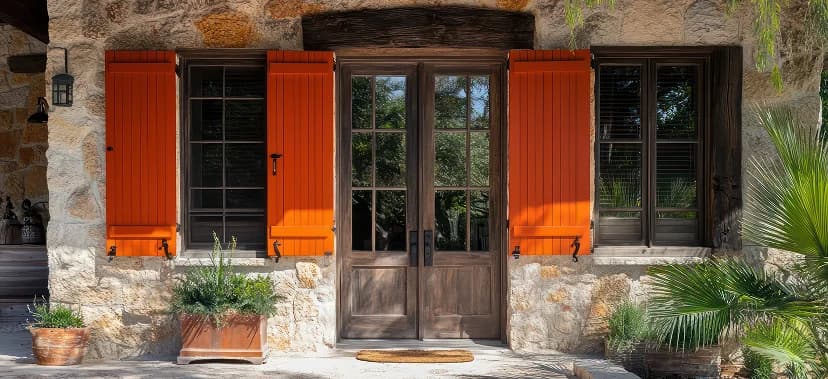
Rustic interiors are defined by authenticity, natural textures, and a sense of warmth rooted in nature. Materials are often left in their raw or minimally finished state, allowing their character and imperfections to become part of the design.
Below are the elements that shape true Rustic spaces.
Natural Materials
Wood, stone, leather, and woven fibers form the backbone of Rustic design.
- ·Reclaimed or solid wood furniture
- ·Natural stone surfaces or fireplaces
- ·Linen and cotton fabrics
- ·Woven baskets and rugs
These materials introduce depth and authenticity.
Warm Earth-Toned Palette
Rustic spaces rely on colors found in nature.
- ·Warm browns
- ·Soft creams
- ·Clay and terracotta tones
- ·Deep forest greens
These tones create a grounded and calming environment.
Visible Structural Elements
Architectural features often remain exposed.
- ·Wooden ceiling beams
- ·Timber frames
- ·Stone walls
- ·Natural wood flooring
These elements reinforce the organic character of the space.
Handcrafted Details
Rustic design celebrates craftsmanship.
- ·Handmade furniture
- ·Carved wooden accents
- ·Artisan pottery
- ·Vintage or reclaimed pieces
Imperfections become part of the visual charm.
Cozy, Comfortable Layouts
Furniture arrangements focus on warmth and usability.
- ·Deep seating
- ·Soft textile layers
- ·Large wooden tables
- ·Relaxed gathering areas
The goal is to create interiors that feel welcoming and lived-in.
Rustic Color Palette Guide
Rustic interiors rely on colors inspired by nature. The palette reflects wood, soil, stone, and forest landscapes, creating spaces that feel warm, grounded, and welcoming.
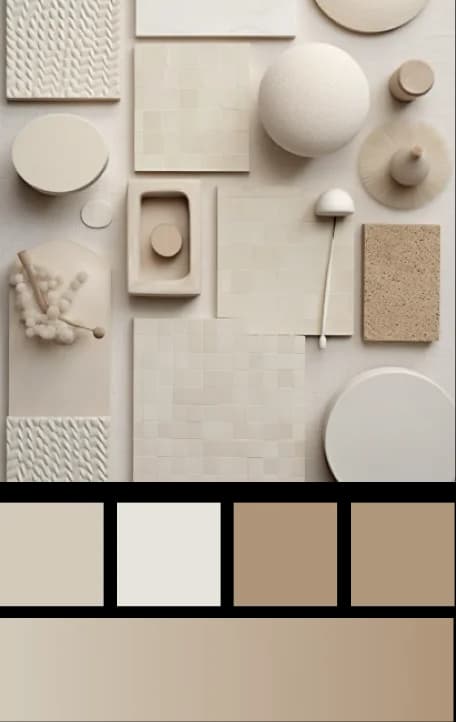
Base Colors
Natural tones that build the foundation of Rustic interiors:
- Whites & Off-Whites
- Beige & Cream Tones
- Greys & Greige
- Soft Browns
- Muted Natural Neutrals
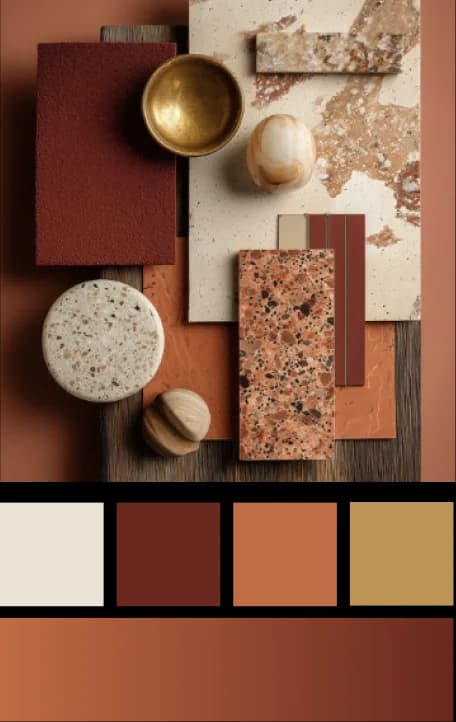
Earthy Accents
Deeper shades that introduce warmth and richness:
- Terracotta
- Burnt Sienna
- Ochre
- Warm Taupe
- Rust
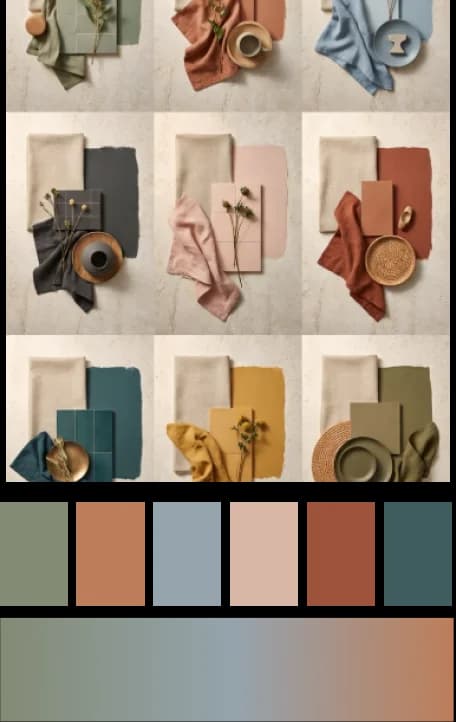
Nature-Inspired Highlights
Subtle accents inspired by outdoor landscapes:
- Leaf Green
- Goldenrod
- Sky Blue
- Soft Amber
- Blush Peach
How to Choose Furniture and Decor for Rustic Interiors?
Furniture in Rustic interiors emphasizes natural materials, sturdy craftsmanship, and timeless comfort. Pieces often feature visible grain, textured surfaces, and solid construction that highlight authenticity.
Solid Wood Furniture
Rustic interiors favor strong, durable wooden pieces.
- Reclaimed wood dining tables
- Solid oak coffee tables
- Timber bed frames
- Wooden cabinets with natural finishes
Wood grain and texture are intentionally visible.
Comfortable Seating
Seating should feel warm and inviting.
- Leather sofas
- Linen upholstered chairs
- Deep fabric armchairs
- Wooden benches with cushions
Comfort is as important as appearance.
Natural Textures
Texture plays a major role in Rustic styling.
- Woven baskets
- Jute or wool rugs
- Linen curtains
- Knit or cotton throws
These elements soften the heavier materials in the room.
Handcrafted Decor
Decor pieces often appear artisanal or vintage.
- Ceramic pottery
- Wooden bowls and trays
- Iron or metal candle holders
- Vintage wall art or frames
Rustic décor celebrates craftsmanship and simplicity.
How to Create a Rustic Interior: Step-by-Step Guide
Transform your space with authentic Rustic character by focusing on natural materials, warmth, and handcrafted textures.
Build a Natural Foundation
Rustic interiors begin with materials that feel organic and grounded. Introduce a strong natural base:
Natural Wood Walls
Reclaimed or raw wood panels that highlight grain and texture.
Stone Feature Surface
Stone cladding or brick walls to introduce earthy structure.
Neutral Earth-Tone Paint
Warm beige, clay, or sandstone tones for a soft natural base.
Textured Plaster Finish
Subtle textured walls that mimic traditional countryside homes.
Design Insight:
Rustic spaces rely on authenticity. Natural textures create depth and warmth before furniture and décor are introduced.
Introduce Solid Wood Furniture
Furniture defines the rustic atmosphere through craftsmanship and durability.
Reclaimed Wood Dining Table
Large wooden table with visible grain and handcrafted details.
Timber Coffee Table
Chunky wood table that anchors the living space.
Wooden Bed Frame
Natural wood frame that adds warmth to bedrooms.
Handcrafted Storage Cabinets
Solid wood cabinets with iron handles or natural finishes.
Design Insight:
Rustic furniture should feel sturdy and timeless rather than polished or delicate.
Layer Earth-Inspired Colors
Warm colors reflect natural landscapes.
- ·Warm beige foundation tones
- ·Deep brown accent shades
- ·Terracotta warmth through décor
- ·Forest green natural accents
- ·Muted clay earthy highlights
Add Cozy Natural Textiles
Soft fabrics balance rustic textures.
- ·Linen cushions soften seating
- ·Wool rugs add warmth
- ·Cotton throws enhance comfort
- ·Woven blankets create texture
- ·Neutral curtains diffuse sunlight
Use Earth-Inspired Colors
Color palettes should reflect natural landscapes.
Warm Brown Accents
Chestnut and cocoa tones that echo natural wood.
Clay and Terracotta Shades
Earthy tones that introduce warmth.
Soft Cream Foundations
Neutral tones that brighten rustic materials.
Forest Green Highlights
Nature-inspired accents in decor or textiles.
Rustic color palettes should feel calm, grounded, and organic.
Highlight Rustic Architectural Elements
Structure becomes visible design feature.
- ·Exposed beams enhance ceiling
- ·Stone fireplaces anchor rooms
- ·Timber frames reveal structure
- ·Wooden paneling adds depth
- ·Natural columns emphasize architecture
Introduce Vintage Rustic Decor
Decor reflects history and craftsmanship.
- ·Antique frames add character
- ·Weathered wood decorative pieces
- ·Handmade pottery accent shelves
- ·Vintage lanterns warm ambiance
- ·Iron details reinforce rustic
Keep Layout Relaxed Functional
Rustic spaces feel naturally comfortable.
- ·Spacious seating encourages gathering
- ·Furniture placement feels natural
- ·Open pathways improve flow
- ·Natural light enhances warmth
- ·Minimal clutter maintains simplicity
Edit Space For Simplicity
Remove excess maintain rustic balance.
- ·Limit decor pieces thoughtfully
- ·Highlight natural material textures
- ·Maintain open visual space
- ·Avoid overly polished finishes
- ·Keep styling intentionally minimal
Edit for Warm Simplicity
Rustic interiors should feel curated but not cluttered.
Limit Decorative Objects
Use fewer, meaningful pieces.
Highlight Natural Materials
Let wood and stone remain visible.
Avoid Over-Styling
Maintain authenticity in the space.
Keep Surfaces Balanced
Allow breathing room between objects.
Rustic elegance comes from natural materials and thoughtful simplicity, not excessive decoration.
7 Common Mistakes to Avoid in Rustic Interiors
Mistake #1: Using Too Many Dark Wood Elements
Rustic interiors rely on wood, but excessive dark timber across floors, furniture, and walls can make spaces feel heavy and closed.
Correction: Balance wood tones with lighter finishes, soft textiles, and neutral walls to maintain warmth without overwhelming the space.
Mistake #2: Turning Rustic Into a Cabin Theme
Overusing decorative props like antlers, animal motifs, and lodge-themed accessories can make interiors feel staged rather than authentic.
Correction: Focus on natural materials such as wood, stone, linen, and leather instead of decorative themed elements.
Mistake #3: Ignoring Texture Balance
Rustic interiors often include rough materials like stone and reclaimed wood. Without softer elements, the space can feel harsh.
Correction: Layer natural fabrics like wool rugs, linen cushions, and woven textiles to soften the heavier textures.
Mistake #4: Overcrowding the Space with Furniture
Rustic furniture tends to be large and solid. Filling the room with too many pieces reduces openness and comfort.
Correction: Choose fewer statement furniture pieces and allow breathing space between them.
Mistake #5: Using Cold or Harsh Lighting
Bright white lighting can remove the cozy atmosphere that defines rustic interiors.
Correction: Use warm lighting through lantern fixtures, iron pendants, and soft table lamps to create inviting ambience.
Mistake #6: Mixing Too Many Decorative Styles
Combining rustic with too many modern, industrial, or glam elements can dilute the style.
Correction: Maintain a consistent palette of natural materials and earthy tones to keep the interior cohesive.
Mistake #7: Overpolishing Rustic Surfaces
Rustic design celebrates raw textures. Perfectly polished finishes remove the natural charm.
Correction: Embrace visible wood grain, weathered finishes, and handcrafted details that highlight authenticity.
50+ Rustic Interior Design Transformations
Explore real room makeovers showcasing how natural materials, warm textures, and handcrafted details transform ordinary spaces into inviting Rustic interiors full of character and charm.
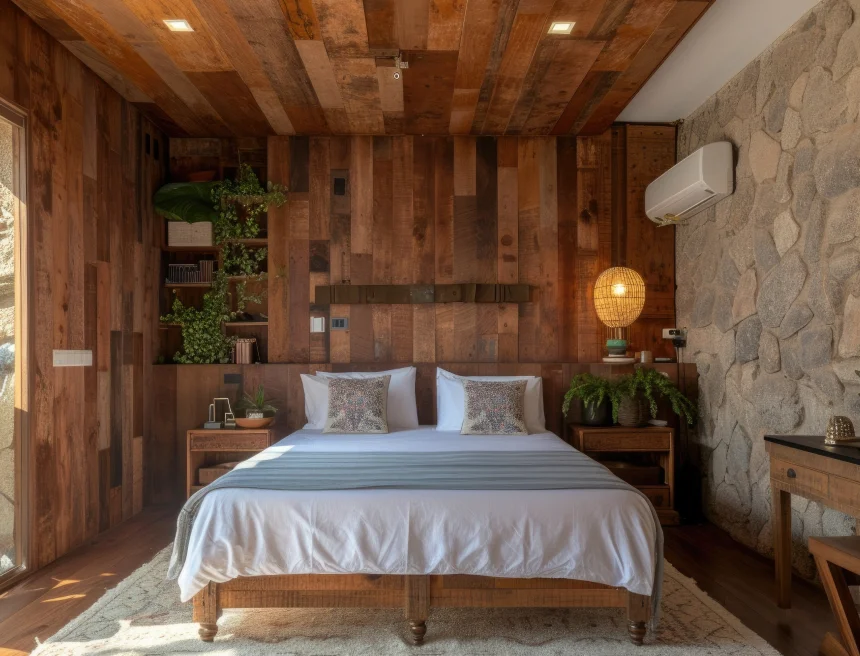
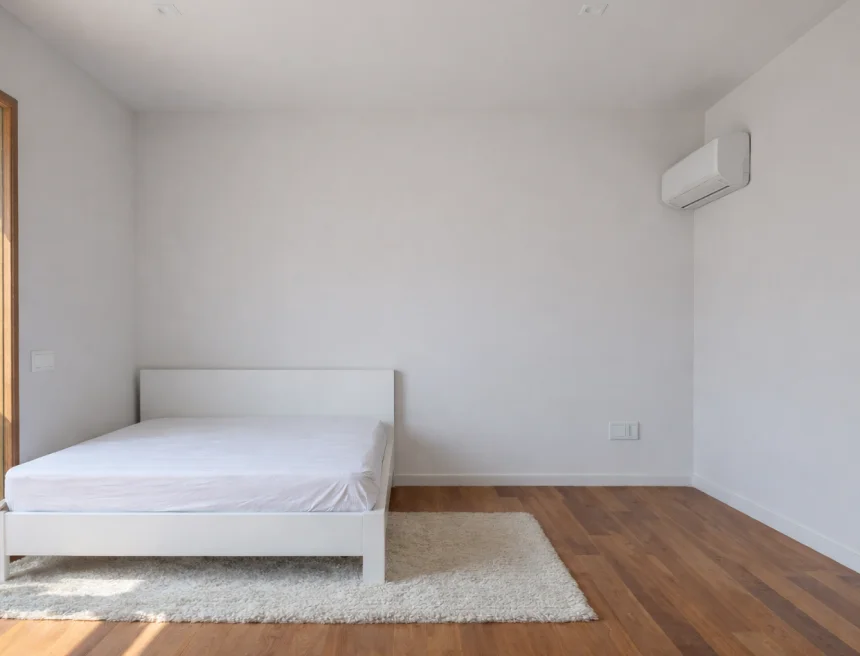
Witness the shift from a plain room to a warm, nature-inspired Rustic space.
Try Rustic Design Style on Your Space - Free
Instant AI generation with 100 free credits. No credit card needed.
Start Free NowTable of Contents
- What Defines Authentic Rustic Interiors?
- Experience Rustic Design Reimagined
- The Atmosphere Rustic Design Creates
- Ideal Applications for Rustic Design
- Why Rustic Design Remains Relevant in 2026?
- How RenoAI Visualizes Rustic Interiors Instantly?
- The Origins of Rustic Design
- Core Characteristics of Rustic Interiors
- Rustic Color Palette Guide
- How to Choose Furniture and Decor for Rustic Interiors?
- How to Create a Rustic Interior: Step-by-Step Guide
- 7 Common Mistakes to Avoid in Rustic Interiors
- 50+ Rustic Interior Design Transformations

Transform Your Space with Natural Rustic Character
Preview how handcrafted textures, warm woods, and nature-inspired materials bring authentic Rustic charm into your space.
Try Rustic Style