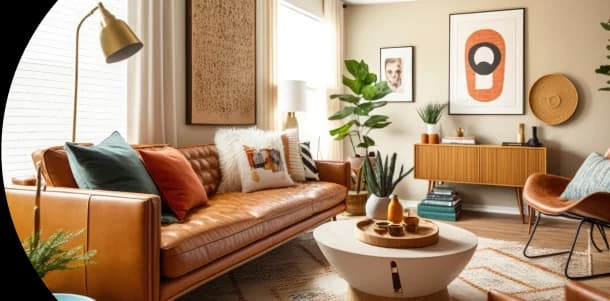
Mid-Century Modern Interior Design: Timeless Simplicity with Iconic Form
Mid-Century Modern interior design, popular from the 1940s–1960s, features clean lines, functional layouts, organic shapes, low-profile furniture, natural materials, open spaces, large windows, and balanced interiors emphasizing simplicity, warmth, and timeless modern appeal.
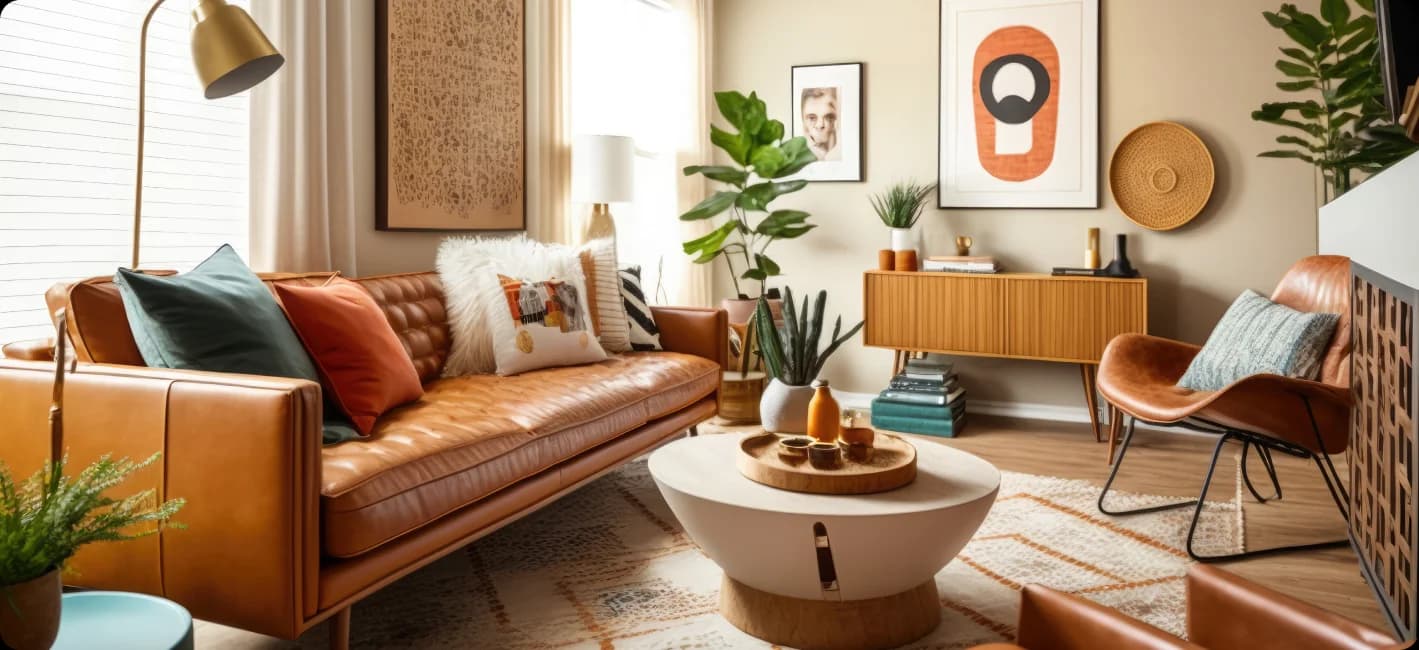
What Defines Mid-Century Modern Interiors?
Mid-Century Modern interiors feel structured yet welcoming. The focus remains on thoughtful design, iconic furniture, and a calm, uncluttered atmosphere.
- ·Clean, Geometric Lines: Furniture and architecture feature smooth silhouettes and minimal ornamentation.
- ·Low-Profile Furniture: Sofas, chairs, and tables often sit lower to the ground, enhancing openness.
- ·Natural Material Balance: Walnut wood, leather, metal, and glass combine to create warmth and contrast.
- ·Open Layout Concepts: Rooms flow naturally into one another, improving spatial continuity.
- ·Indoor–Outdoor Connection: Large windows and natural light blur boundaries between interior and exterior environments.
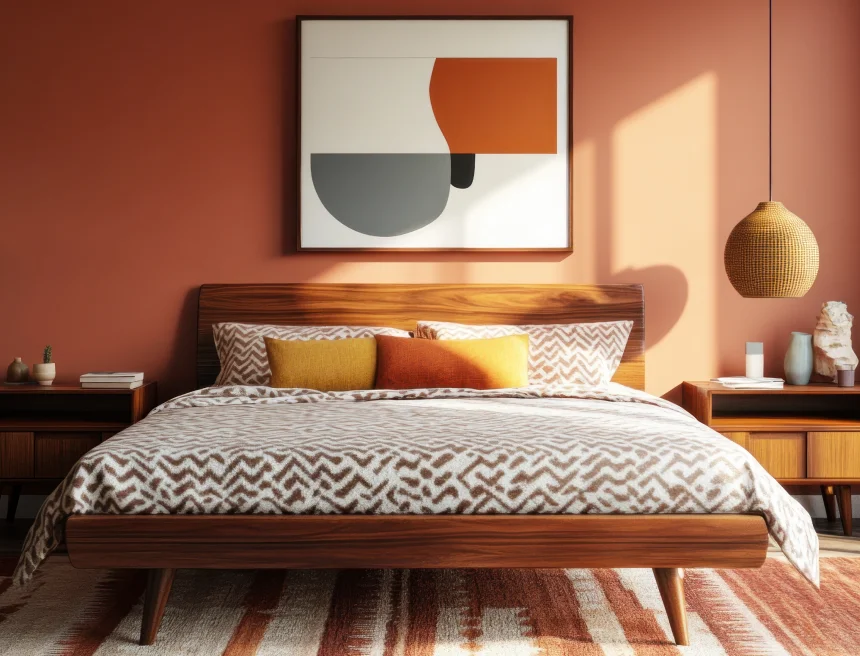
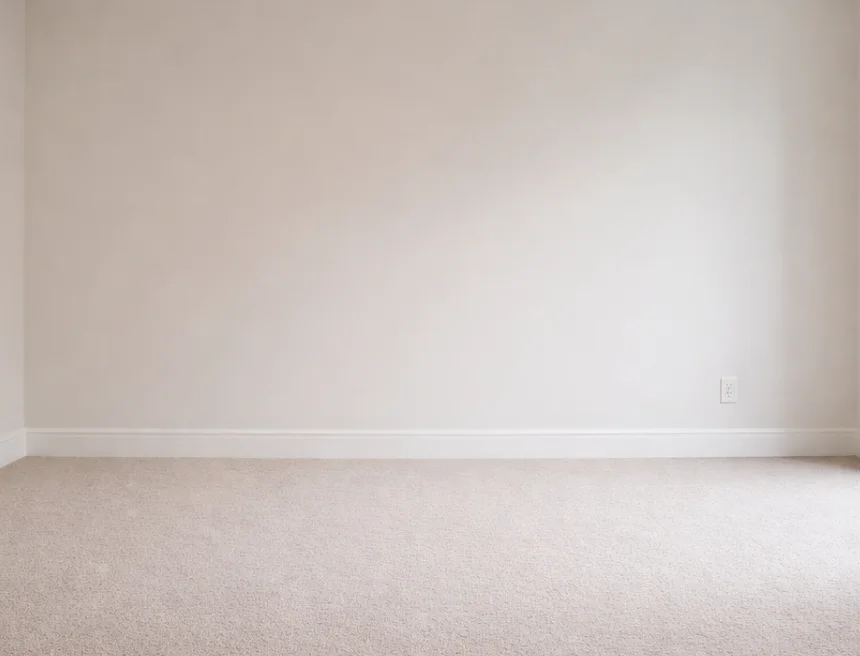
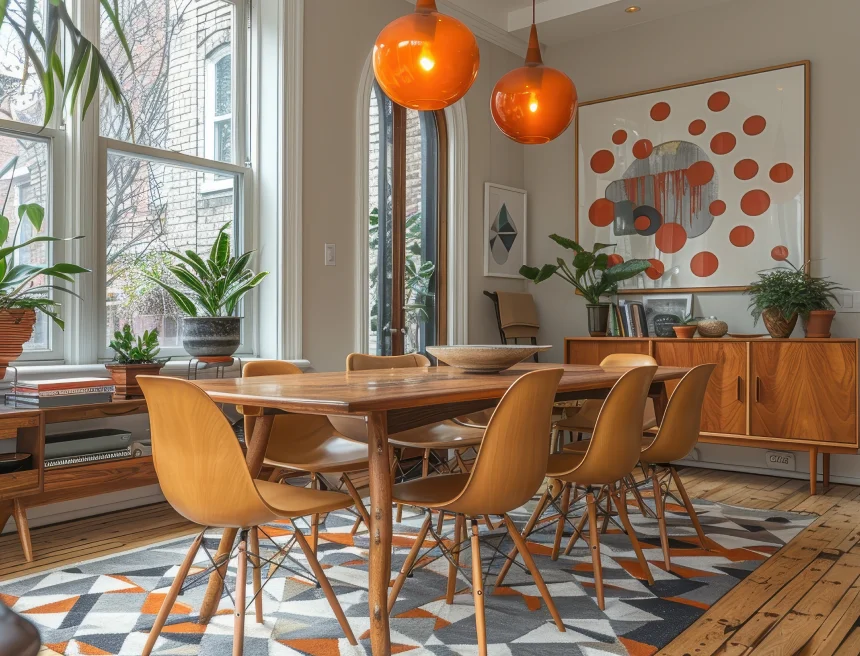
Watch how natural materials and warm wood tones turn a modern room into a welcoming Mid-Century Modern sanctuary.
The Atmosphere Mid-Century Modern Design Creates
Mid-Century Modern interiors create spaces that feel balanced, warm, and visually calm. The design focuses on simplicity and functional beauty, allowing furniture forms and materials to define the character of the room. Unlike heavily decorative styles, Mid-Century Modern spaces feel uncluttered and structured. Clean lines, open layouts, and natural materials work together to create a comfortable environment that feels both modern and inviting.
- ·Warm
- ·Minimal
- ·Functional
- ·Balanced
- ·Timeless
The result is an interior that feels modern, relaxed, and enduringly stylish.
Ideal Applications for Mid-Century Modern Design
Mid-Century Modern design adapts easily across residential and modern commercial environments. Its clean structure and timeless furniture pieces make it suitable for spaces that benefit from simplicity, openness, and functional layouts. The style works particularly well in:
- ·Modern apartments
- ·Family homes with open layouts
- ·Living rooms and lounges
- ·Bedrooms and home offices
- ·Dining areas
- ·Boutique hospitality spaces
Why Mid-Century Modern Remains Relevant in 2026?
Mid-Century Modern continues to resonate because its principles align naturally with contemporary lifestyles. Clean lines, functional layouts, and natural materials integrate seamlessly with modern architecture and open-plan living environments. Its emphasis on simplicity and practicality complements today’s preference for uncluttered, purposeful interiors.
Two popular interpretations define today’s Mid-Century Modern spaces:
Both interpretations preserve the style’s core strength: balanced design built on functionality, clarity, and timeless craftsmanship.
How RenoAI Visualizes Mid-Century Modern Interiors Instantly?
Transform any room into a refined Mid-Century Modern space in just a few simple steps using RenoAI.
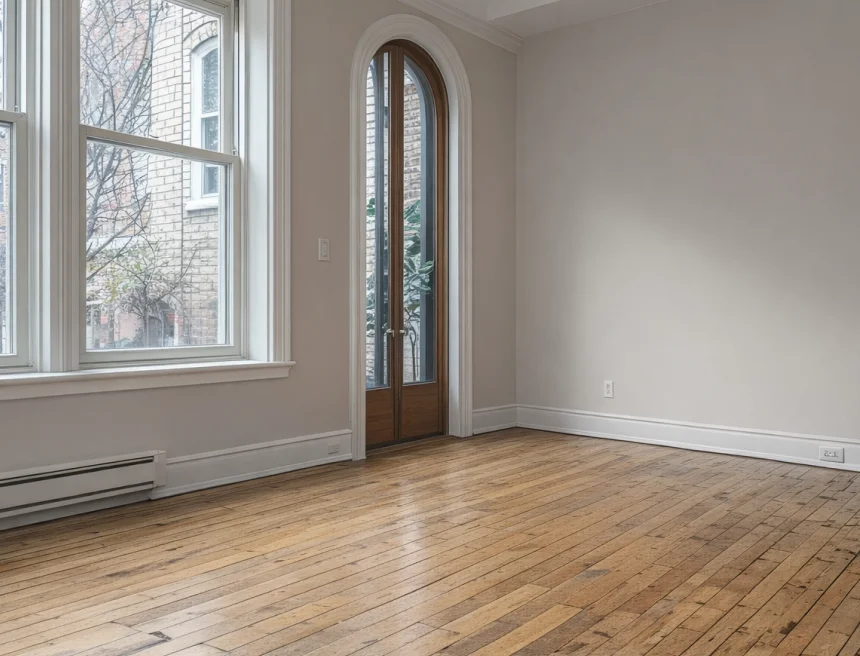
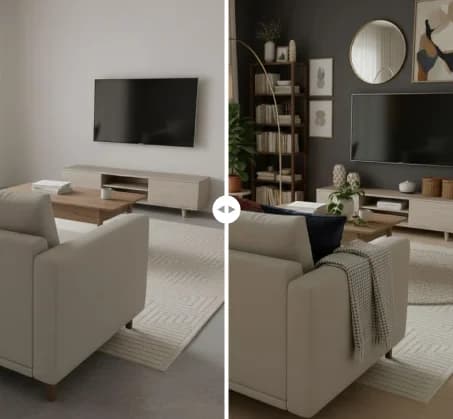
RenoAI simplifies the process of exploring Mid-Century Modern design by turning a simple room photo into multiple realistic interior concepts.
Instead of imagining how furniture, materials, and colors might work together, users can instantly preview balanced layouts, iconic silhouettes, and warm wood finishes.
This helps designers and homeowners confidently experiment with ideas before committing to actual renovation or furniture purchases.
The Origins of Mid-Century Modern: A Design Movement Shaped by Innovation
Mid-Century Modern design emerged during the mid-20th century as architects and designers explored new ways to create functional, modern homes. Advances in materials and manufacturing encouraged experimentation with molded wood, steel, and innovative furniture forms that emphasized both efficiency and beauty.
The movement focused on making good design accessible, combining practical layouts with visually refined furniture pieces. Designers introduced open living spaces, streamlined silhouettes, and strong connections between interior environments and surrounding landscapes.
Inspired by modern architecture, industrial progress, and everyday living needs, Mid-Century Modern interiors replaced heavy ornamentation with purposeful simplicity. Furniture designs highlighted smooth curves, tapered legs, and organic shapes that balanced comfort with visual clarity.
Today, the style continues to influence contemporary interiors through its timeless forms, thoughtful proportions, and enduring focus on functional elegance.
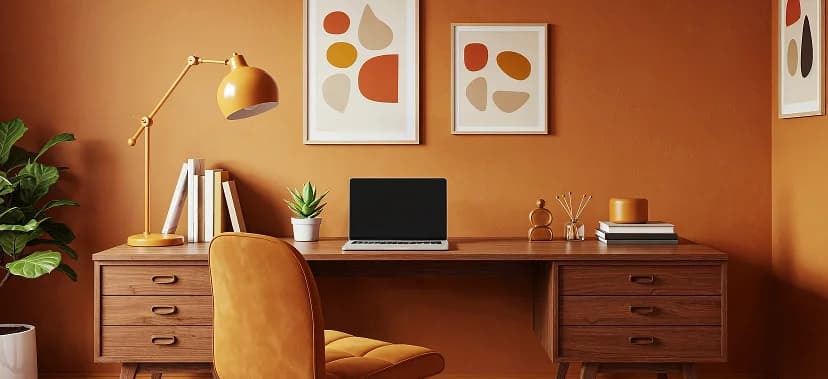
Core Characteristics of Mid-Century Modern Interiors
Mid-Century Modern interiors are defined by simplicity, purposeful design, and balanced proportions. The style focuses on clean architectural lines, functional furniture, and natural materials that create spaces that feel both modern and welcoming.
Below are the defining characteristics that shape authentic Mid-Century Modern interiors.
Clean Architectural Lines
Structure and clarity guide the overall design.
- ·Straight horizontal and vertical lines
- ·Minimal decorative detailing
- ·Balanced visual composition
- ·Streamlined furniture silhouettes
The emphasis remains on form rather than ornamentation.
Low-Profile Furniture
Furniture often sits closer to the floor.
- ·Sofas with simple geometric frames
- ·Lounge chairs with sculptural forms
- ·Slim-profile tables
- ·Compact storage units
Low silhouettes enhance openness and spatial flow.
Natural Wood Materials
Warm wood finishes are a signature element.
- ·Walnut
- ·Teak
- ·Oak
- ·Rosewood
Wood tones add warmth while maintaining modern simplicity.
Functional Layouts
Spaces prioritize usability and comfort.
- ·Open-plan living areas
- ·Clear walking paths
- ·Purpose-driven furniture placement
- ·Minimal clutter
Function and aesthetics remain equally important.
Organic Shapes & Iconic Forms
Curves balance the clean lines of the architecture.
- ·Sculptural lounge chairs
- ·Rounded coffee tables
- ·Molded wood furniture
- ·Geometric yet softened shapes
These forms give Mid-Century Modern interiors their distinctive visual identity.
Mid-Century Modern Color Palette Guide
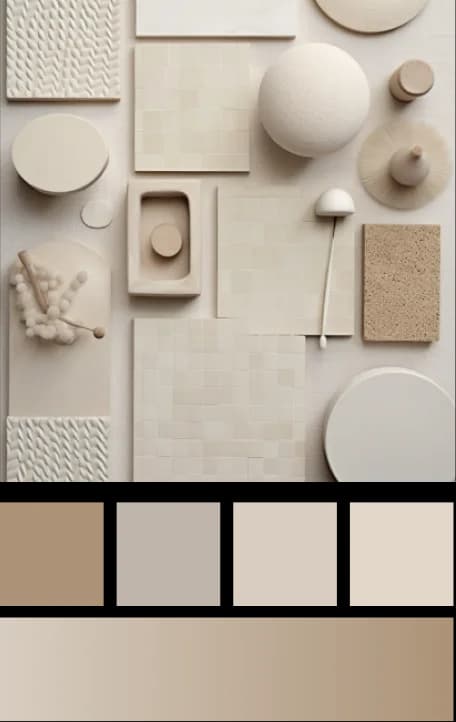
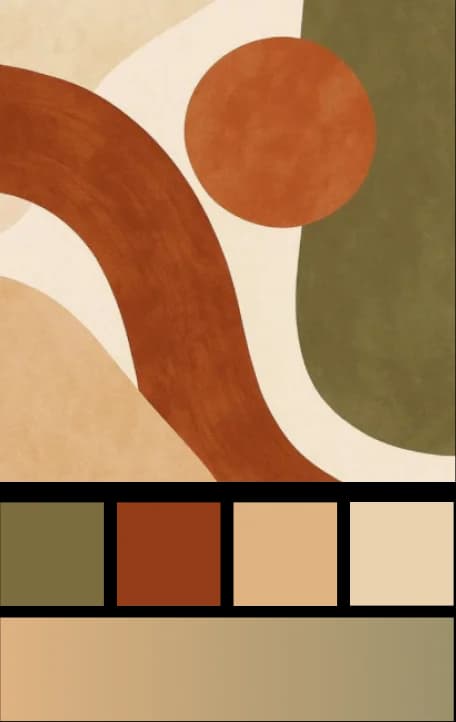
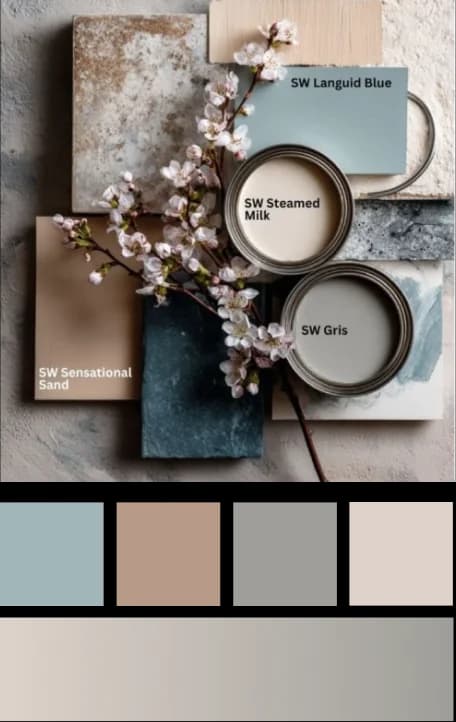
Mid-Century Modern interiors combine warm neutrals with distinctive retro accent colors. The palette balances natural wood tones with earthy hues and occasional bold highlights, creating interiors that feel warm, structured, and visually interesting without overwhelming the space.
Base Neutrals
These tones establish the calm architectural foundation.
- Whites & Off-Whites
- Beige & Cream Tones
- Greys & Greige
- Soft Browns
- Muted Natural Neutrals
Earthy Retro Accents
Accent colors bring personality to the space.
- Burnt Orange & Rust Tones
- Mustard & Ochre Yellows
- Olive & Avocado Greens
- Warm Browns & Caramel Tones
- Muted Retro Reds & Pinks
Modern Supporting Tones
These colors help balance and modernize the palette.
- Soft Greige & Taupe
- Muted Cool Greys
- Dusty Blues
- Soft Greens
- Warm Soft Browns
How to Choose Furniture for Mid-Century Modern Interiors?
Furniture plays the most important role in Mid-Century Modern interiors. The style is known for its iconic silhouettes, functional design, and carefully balanced proportions. Instead of excessive decoration, the focus remains on well-crafted furniture pieces that combine practicality with visual elegance.
Mid-Century Modern spaces feel curated rather than crowded, where each item contributes to the overall design composition.
Iconic Seating Pieces
Seating often becomes the focal point of the room.
- Low-profile sofas with clean lines
- Sculptural lounge chairs
- Leather or fabric accent chairs
- Simple wooden benches
Comfort and form are equally important.
Signature Wood Furniture
Wood remains a defining material in Mid-Century interiors.
- Walnut sideboards
- Teak coffee tables
- Wooden dining tables
- Tapered-leg cabinets
Warm wood tones introduce depth and natural texture.
Minimal Storage Solutions
Storage pieces maintain simplicity and function.
- Slim-profile credenzas
- Open shelving units
- Compact media consoles
- Clean-lined wardrobes
Design prioritizes organization without visual heaviness.
Functional Lighting
Lighting fixtures reflect the era’s modern design approach.
- Arc floor lamps
- Sputnik chandeliers
- Dome pendant lights
- Adjustable task lamps
Lighting often doubles as sculptural décor.
Subtle Decorative Elements
Décor remains minimal but intentional.
- Abstract artwork
- Ceramic vases
- Geometric planters
- Vintage-inspired objects
Accessories should enhance the design without creating clutter.
How to Create a Mid-Century Modern Interior: 10-Step Guide
Establish a Clean Architectural Base
Mid-Century Modern interiors begin with clarity and structure. Create a calm foundation that allows furniture and materials to stand out.
Neutral wall palette
Soft white, beige, or light gray walls provide a calm visual backdrop.
Simple ceiling design
Clean ceilings without heavy molding maintain architectural simplicity.
Open floor visibility
Keep flooring continuous to strengthen spatial flow.
Large window emphasis
Highlight natural light to enhance openness.
Design Insight: Mid-Century spaces succeed when architecture feels simple and uncluttered.
Introduce Warm Wood Elements
Natural wood finishes bring warmth and authenticity to Mid-Century interiors.
Walnut furniture pieces
Walnut remains the most recognizable mid-century material.
Teak storage cabinets
Low credenzas and sideboards define the style.
Wood dining tables
Simple rectangular or oval tables with tapered legs.
Wood accent shelving
Open shelves create visual lightness.
Design Insight: Warm wood tones soften modern lines and create timeless balance.
Choose Low-Profile Furniture
Defines relaxed mid-century interior proportions.
- ·Slim profile seating pieces
- ·Tapered leg furniture silhouettes
- ·Compact wooden coffee tables
- ·Structured minimalist sofa frames
- ·Balanced furniture spacing layout
Introduce Retro Accent Colors
Add personality through vintage color accents.
- ·Mustard yellow accent cushions
- ·Burnt orange statement chairs
- ·Olive green decorative elements
- ·Deep teal artwork highlights
- ·Warm terracotta textile details
Integrate Iconic Lighting
Lighting often becomes a design statement in Mid-Century interiors.
Sputnik chandeliers
A classic fixture that defines the era.
Arc floor lamps
Creates dramatic yet functional lighting.
Dome pendant lights
Simple geometric forms enhance the style.
Adjustable task lamps
Functional lighting with modern character.
Lighting should feel sculptural as well as practical.
Maintain Open Spatial Layouts
Encourage flow between interior zones.
- ·Clear walking path circulation
- ·Balanced furniture placement strategy
- ·Open living dining connection
- ·Minimal barriers between zones
- ·Spacious uncluttered room layout
Integrate Organic Shape Elements
Balance geometry with softer forms.
- ·Rounded coffee table edges
- ·Curved lounge chair silhouettes
- ·Sculptural ceramic decor pieces
- ·Abstract art organic forms
- ·Softened geometric furniture shapes
Use Functional Storage Furniture
Storage solutions maintain visual simplicity.
- ·Low profile wooden credenzas
- ·Minimal open shelving units
- ·Streamlined media console cabinets
- ·Compact cabinet storage pieces
- ·Clean lined storage furniture
Layer Minimal Decorative Accents
Decor enhances design without clutter.
- ·Abstract framed wall artwork
- ·Simple ceramic vase arrangements
- ·Indoor greenery decorative accents
- ·Vintage inspired decorative objects
- ·Balanced tabletop styling compositions
Edit for Simplicity
Final styling ensures the room feels balanced.
Remove unnecessary items
Avoid visual clutter.
Highlight key furniture pieces
Let iconic designs stand out.
Balance color distribution
Ensure accent colors feel intentional.
Maintain open surfaces
Allow furniture shapes to remain visible.
Design Insight: Mid-Century Modern interiors rely on thoughtful editing to achieve timeless elegance.
5 Mistakes to Avoid in Mid-Century Modern Interiors
Mistake #1: Choosing Heavy, Bulky Furniture
Mid-century spaces require lightweight silhouettes; bulky furniture disrupts openness and visual balance.
Correction: Select slim furniture with tapered legs and open bases to maintain spatial lightness.
Mistake #2: Ignoring Natural Wood Tones
Natural wood finishes define mid-century interiors; removing them eliminates warmth and authenticity.
Correction: Introduce walnut or teak surfaces through tables, cabinets, or shelving for warmth.
Mistake #3: Overdecorating the Space
Too many accessories clutter surfaces and distract from iconic furniture forms.
Correction: Limit decor to intentional pieces like ceramics, artwork, or indoor plants.
Mistake #4: Using Too Many Bright Colors
Excessive bold colors overpower the balanced palette typical of mid-century interiors.
Correction: Keep walls neutral and introduce color through cushions, artwork, or accent chairs.
Mistake #5: Blocking Natural Light
Heavy curtains or crowded windows reduce openness essential to mid-century interiors.
Correction: Use light window treatments and maintain clear spaces around windows for natural brightness.
50+ Mid-Century Modern Interior Transformations
Discover how everyday rooms evolve into refined Mid-Century Modern spaces from ordinary layouts to interiors defined by iconic furniture, warm wood tones, and clean architectural lines.
Try Mid-Century Modern Style on Your Space - Free
Instant AI generation with 100 free credits. No credit card needed.
Start Free NowTable of Contents
- What Defines Authentic Mid-Century Modern Interiors?
- Room Reimaginings
- The Atmosphere Created
- Ideal Applications for Mid-Century Modern Design
- Why It Remains Popular
- How RenoAI Visualizes
- Origins of Mid-Century Modern Design
- Core Characteristics
- Color Palette Guide
- Furniture & Decor Selection
- Step-by-Step Guide
- Common Mistakes to Avoid
- 50+ Interior Transformations

See Mid-Century Modern Come to Life in Your Space
Upload your room photo and instantly preview iconic furniture, warm wood tones, and balanced layouts before making design decisions.
Preview Mid-Century Modern