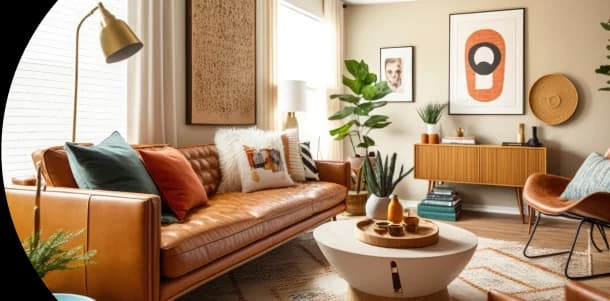
Transitional Interior Design: Where Classic Elegance Meets Modern Simplicity
Transitional interior design blends classic elegance with modern simplicity, creating balanced spaces with neutral tones, refined materials, and comfortable furnishings that feel timeless, sophisticated, welcoming, and effortlessly adaptable.
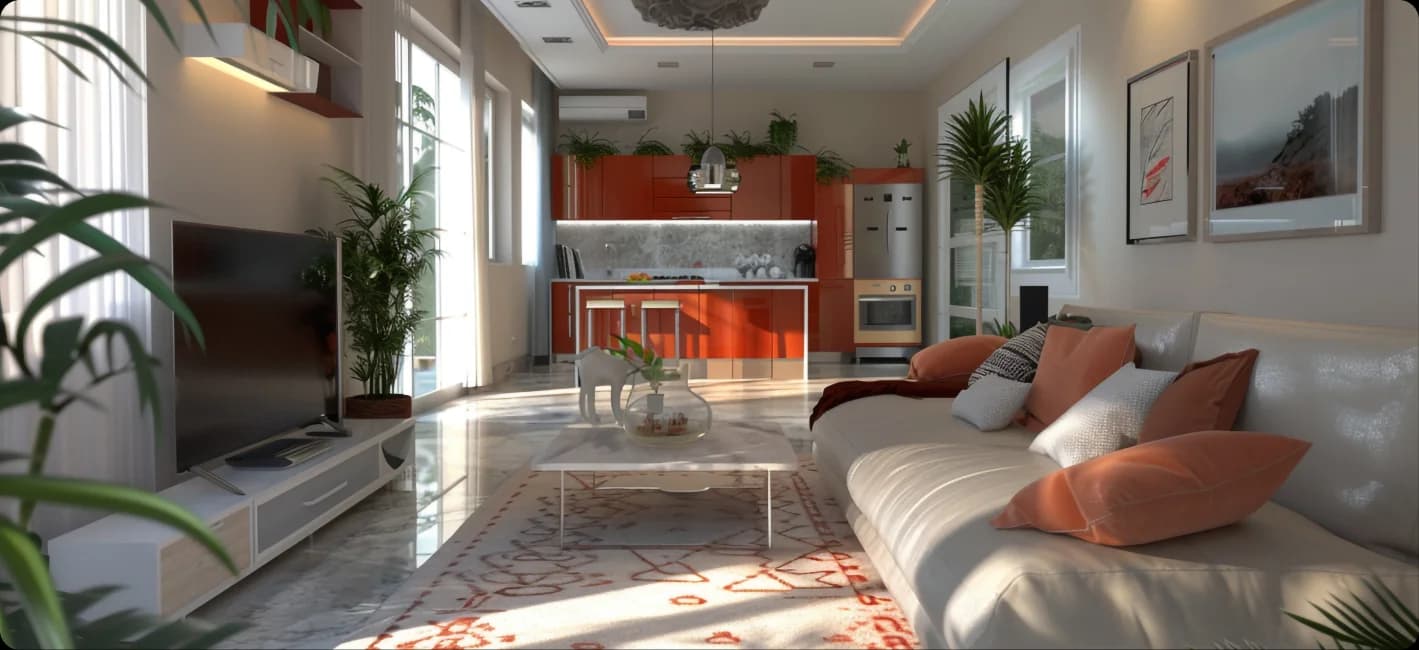
What Defines Transitional Interiors?
Transitional interior design blends classic elegance with modern simplicity, creating balanced spaces with neutral tones, refined materials, and comfortable furnishings that feel timeless, sophisticated, welcoming, and effortlessly adaptable.
- ·Neutral Color Foundations: Soft whites, warm beiges, taupes, and gentle grays create a calm and adaptable base.
- ·Classic Forms with Modern Lines: Traditional silhouettes are simplified with cleaner edges and minimal ornamentation.
- ·Layered Textures: Linen, velvet, wood, and subtle metallic accents introduce depth without visual heaviness.
- ·Balanced Furniture Composition: Spaces combine classic furniture shapes with contemporary pieces to create visual harmony.
- ·Understated Elegance: Decor remains refined and minimal, focusing on quality materials rather than elaborate detailing.
Transitional interiors feel polished yet relaxed. The style celebrates balance, allowing traditional charm and modern simplicity to coexist naturally within the same space.
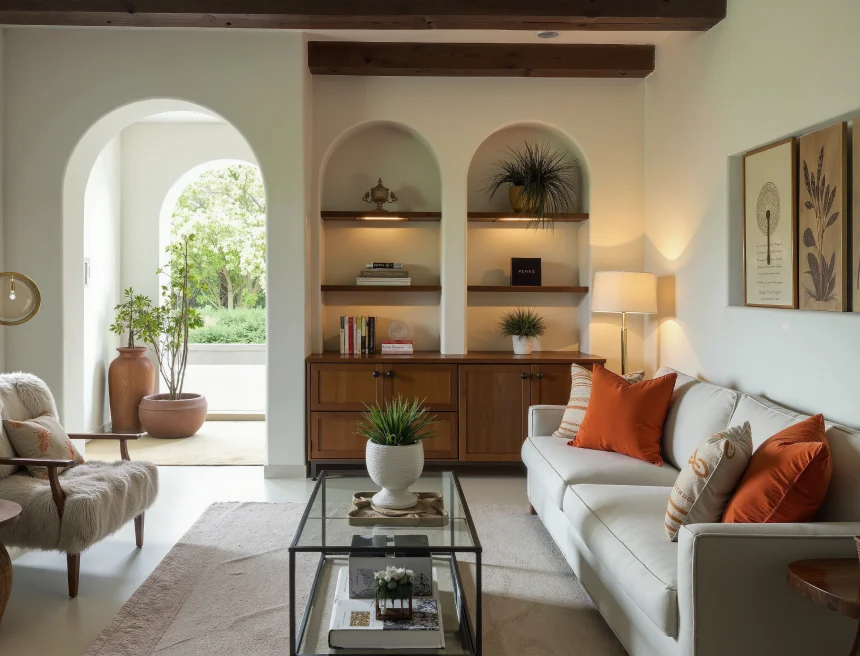
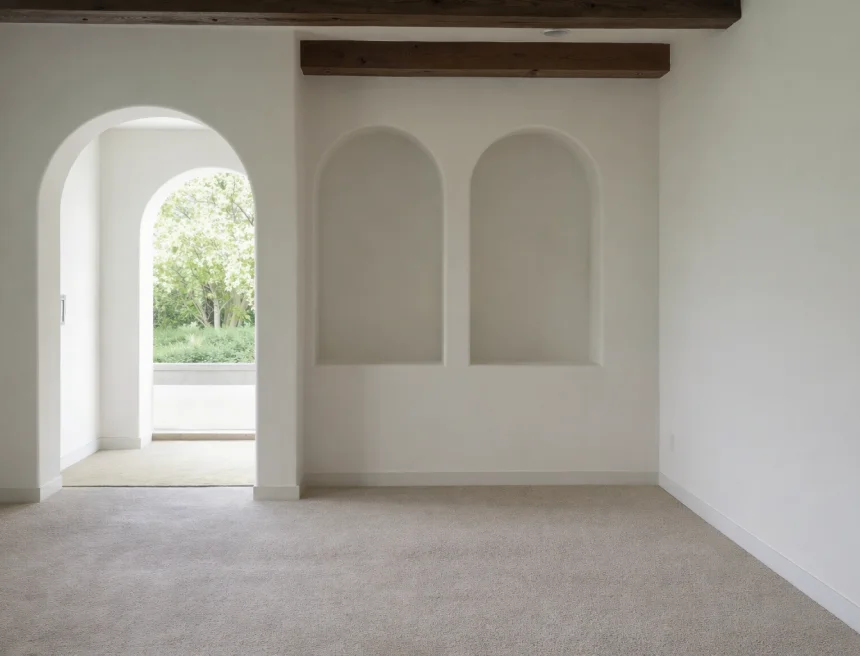
Witness the shift from a plain room to a balanced, refined Transitional space.
The Atmosphere Transitional Design Creates
Transitional interiors create a sense of calm sophistication. The atmosphere feels polished yet comfortable, where classic elegance blends seamlessly with modern clarity. Unlike purely traditional spaces that may feel formal or contemporary interiors that can appear minimal, transitional design achieves a balanced mood that is both welcoming and refined.
- ·Elegant
- ·Balanced
- ·Calm
- ·Comfortable
- ·Timeless
Ideal Applications for Transitional Design
Transitional design adapts easily across a variety of interiors because of its balanced aesthetic and neutral foundation. The style works well in spaces that benefit from both elegance and everyday comfort. Its ability to blend classic forms with contemporary simplicity makes it suitable for modern homes as well as more traditional architectural environments. Transitional design works especially well in:
- ·Contemporary family homes
- ·Modern apartments and condos
- ·Renovated traditional houses
- ·Luxury residences
- ·Living rooms and bedrooms
- ·Boutique hospitality interiors
The neutral palette and refined materials allow the style to integrate seamlessly with different layouts and architectural features. Large living areas, open floor plans, and light-filled rooms particularly benefit from the calm balance of transitional interiors.
Why Transitional Design Remains Relevant in 2026?
Transitional design continues to stay popular because it balances classic elegance with contemporary simplicity. As modern homes evolve toward cleaner layouts and more relaxed living, this hybrid approach allows interiors to feel timeless without appearing dated or overly minimal. Neutral color palettes, refined furniture silhouettes, and subtle layering of textures help transitional spaces adapt easily to changing design trends. The style works particularly well in modern homes where comfort, sophistication, and practicality must coexist.
Two primary interpretations shape transitional interiors today:
Both interpretations share the same foundation: balanced composition, understated elegance, and versatile design that remains relevant as interior preferences evolve.
How RenoAI Visualizes Transitional Interiors Instantly
Transform any space into a refined transitional interior in just a few guided steps using RenoAI.
Transitional design can be difficult to visualize because it relies on subtle balance rather than bold contrasts. RenoAI simplifies this process by instantly blending classic elements with modern simplicity inside your existing room.
By analyzing layout, lighting, materials, and spatial proportions, the platform generates realistic interpretations of transitional interiors that feel harmonious and refined. Users can explore how neutral palettes, elegant furniture silhouettes, and layered textures work together before committing to any renovation or purchase decisions.
This visual clarity helps homeowners, designers, and developers confidently experiment with transitional aesthetics while ensuring the final space feels cohesive, timeless, and effortlessly sophisticated.
The Origins of Transitional Design: A Bridge Between Classic and Contemporary
Transitional design emerged as a response to the changing needs of modern homeowners who wanted interiors that felt elegant yet comfortable. As traditional décor began to feel too ornate and contemporary spaces sometimes appeared overly minimal, designers began blending the strengths of both approaches.
Classic furniture silhouettes were simplified, decorative elements became more restrained, and neutral color schemes created calm, adaptable environments. This balance allowed interiors to maintain sophistication while supporting relaxed everyday living.
Materials such as linen, wood, subtle metals, and plush upholstery became central to the style, adding warmth and depth without excessive decoration.
Over time, transitional design developed into a versatile aesthetic that prioritizes harmony, comfort, and timeless appeal. Its ability to combine tradition with modern clarity makes it one of the most adaptable interior styles used in homes today.
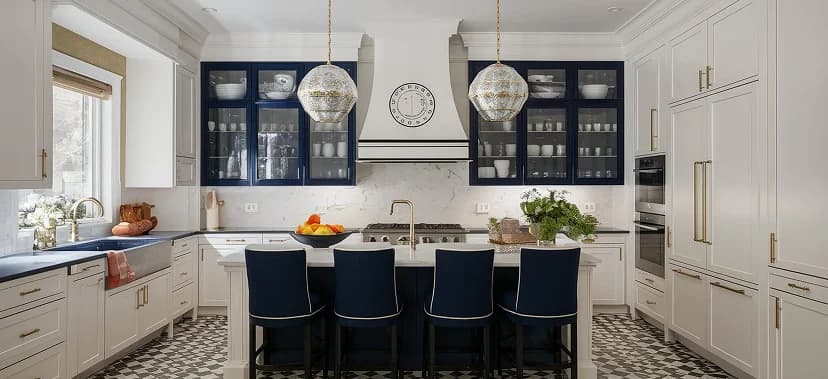
Core Characteristics of Transitional Interiors
Transitional interiors are defined by balance, restraint, and refined simplicity. The style blends traditional elegance with contemporary clarity, creating spaces that feel polished yet comfortable. Instead of strong contrasts or ornate decoration, transitional design focuses on subtle layering, neutral palettes, and harmonious proportions.
Below are the defining characteristics that shape authentic transitional spaces.
Neutral and Balanced Color Palette
Soft neutrals form the foundation of transitional interiors.
- ·Warm whites
- ·Soft taupe
- ·Gentle gray
- ·Beige undertones
These tones create a calm backdrop that allows furniture and textures to stand out without overwhelming the room.
Classic Forms with Simplified Lines
Furniture often reflects traditional shapes but with cleaner edges and less ornamentation.
- ·Rolled-arm sofas with streamlined profiles
- ·Upholstered chairs with subtle detailing
- ·Elegant yet simple cabinetry
This balance ensures the space feels refined without appearing overly formal.
Layered Textures and Materials
Texture plays an essential role in adding warmth and visual depth.
- ·Linen upholstery
- ·Velvet accents
- ·Natural wood finishes
- ·Subtle metallic details
These materials create richness while maintaining a restrained aesthetic.
Balanced Furniture Arrangements
Transitional spaces prioritize symmetry and thoughtful composition.
- ·Centered seating arrangements
- ·Coordinated furniture proportions
- ·Clear circulation paths
The layout promotes visual harmony and everyday functionality.
Understated Decorative Elements
Décor remains minimal and purposeful.
- ·Simple artwork
- ·Ceramic or glass accents
- ·Elegant lighting fixtures
- ·Soft textile layering
Rather than heavy ornamentation, transitional interiors emphasize quality materials and balanced styling.
Transitional Color Palette Guide
Transitional interiors rely on calm, neutral color foundations that allow traditional warmth and modern simplicity to coexist. Instead of bold contrasts, the palette focuses on soft tones that create balance and visual harmony.
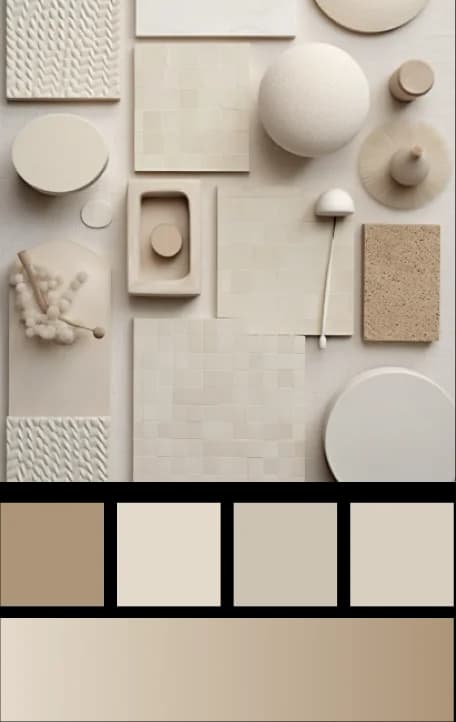
Base Colors
Foundation tones for transitional interiors:
- Whites & Off-Whites
- Beige & Cream Tones
- Greys & Greige
- Soft Browns
- Muted Natural Neutrals
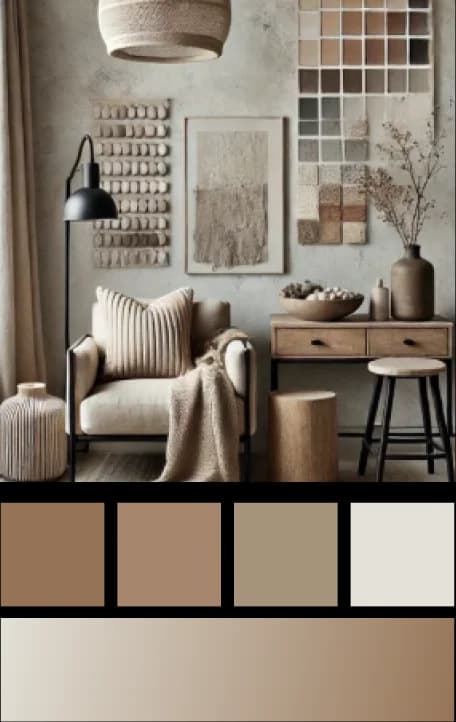
Accent Neutrals
Layer depth through subtle supporting tones:
- Dark Neutrals
- Mid-Tone Neutrals
- Cool Neutral Accents
- Warm Neutral Accents
- Soft Contrast Neutrals
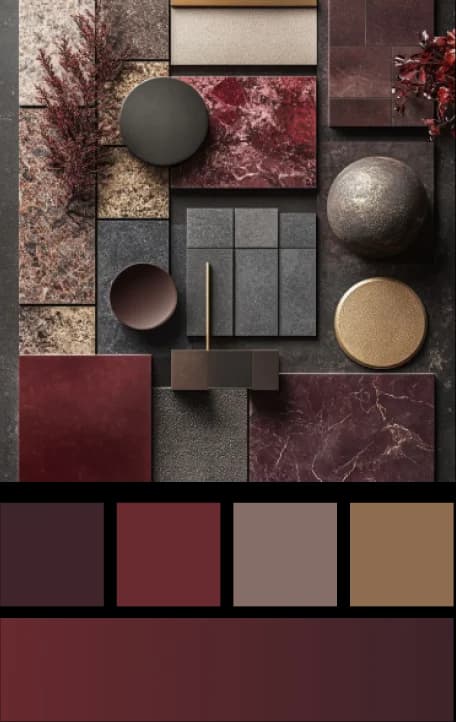
Sophisticated Accent Colors
Introduce color sparingly through décor and textiles:
- Muted Blues
- Refined Greens
- Deep Wine & Plum Tones
- Warm Earth Accents
- Soft Metallic-Influenced Neutrals
Furniture & Decor in Transitional Design
Furniture in transitional interiors blends traditional shapes with modern simplicity. Pieces are elegant yet comfortable, avoiding heavy ornamentation while still maintaining refined character.
Upholstered Seating
Comfortable seating defines transitional spaces.
- Neutral linen or velvet sofas
- Rolled-arm or track-arm chairs
- Upholstered benches
Silhouettes remain classic but with simplified detailing.
Refined Wood Furniture
Wood elements add warmth and structure.
- Walnut or oak coffee tables
- Minimal console tables
- Clean-lined dining tables
Finishes are rich but not overly dark or heavy.
Balanced Storage Pieces
Cabinetry and storage remain elegant yet understated.
- Paneled sideboards
- Simple wood cabinets
- Neutral built-in shelving
These pieces provide functionality while maintaining visual balance.
Soft Textile Layering
Textiles bring comfort and depth.
- Linen curtains
- Plush area rugs
- Neutral throw pillows
- Subtle patterned fabrics
Layering textures helps transitional spaces feel warm without becoming visually busy.
Minimal Decorative Accents
Decor remains refined and intentional.
- Ceramic vases
- Framed artwork
- Soft metallic accents
- Sculptural table lamps
Each piece contributes to the overall balance of the space.
How to Create Transitional Interior Design: 10-Step Guide
Create a balanced and elegant transitional space by combining timeless elements with modern simplicity.
Start with a Calm Neutral Foundation
Transitional interiors begin with a soft, balanced color base.
Warm White Walls
Creates a clean and timeless backdrop for both classic and modern elements.
Soft Taupe Paint
Adds warmth without overpowering the room.
Light Greige Tones
Blends gray and beige for subtle contemporary elegance.
Neutral Wall Paneling
Simple molding or panel details for understated sophistication.
Design Insight:
Neutral walls create flexibility, allowing furniture and textures to define the transitional aesthetic.
Choose Balanced Furniture Silhouettes
Furniture should combine traditional comfort with modern simplicity.
Streamlined Sofa
Neutral upholstery with simple arm profiles.
Upholstered Accent Chairs
Classic shapes with minimal detailing.
Tailored Sectional
Clean-lined seating with plush comfort.
Elegant Bench Seating
Adds refinement without visual heaviness.
Design Insight:
Furniture should feel comfortable and elegant without appearing overly ornate or overly minimal.
Layered Textures
Adds depth and warmth
- ·Linen upholstery softens furniture edges
- ·Velvet cushions introduce subtle luxury
- ·Woven rugs ground neutral spaces
- ·Knit throws enhance cozy comfort
- ·Textured curtains soften natural light
Refined Wood Elements
Natural warmth balances modern lines
- ·Oak tables add organic warmth
- ·Walnut finishes create depth
- ·Wood frames soften modern furniture
- ·Paneled cabinets add subtle detail
- ·Natural grains enrich neutral palettes
Incorporate Subtle Metallic Accents
Metal finishes add elegance without overpowering the room.
Brushed Brass Lighting
Warm metallic glow for refined sophistication.
Chrome Table Lamps
Modern accent that maintains clarity.
Gold Picture Frames
Soft decorative highlight.
Metallic Hardware
Cabinet pulls and handles for subtle shine.
Use metallic finishes sparingly to maintain understated elegance.
Balanced Furniture Layouts
Creates harmony and visual flow
- ·Center sofas around focal points
- ·Pair chairs for visual symmetry
- ·Maintain clear walking pathways
- ·Balance furniture proportions carefully
- ·Anchor layout with area rugs
Subtle Accent Colors
Soft tones enrich neutral interiors
- ·Dusty blue adds calm elegance
- ·Muted sage introduces natural softness
- ·Warm blush creates gentle warmth
- ·Deep navy adds refined contrast
- ·Soft olive balances earthy palettes
Minimal Decorative Styling
Less décor creates refined spaces
- ·Display simple ceramic vases
- ·Choose artwork with neutral tones
- ·Style trays for organized surfaces
- ·Add sculptural table lamps
- ·Limit accessories for visual calm
Layered Interior Lighting
Lighting enhances warmth and comfort
- ·Combine ambient and task lighting
- ·Place lamps beside seating areas
- ·Install pendants above tables
- ·Add sconces for wall depth
- ·Use warm bulbs throughout rooms
Edit for Simplicity and Harmony
Final styling ensures the space feels cohesive.
Remove Excess Decor
Avoid visual clutter.
Balance Materials
Mix fabrics, wood, and metals carefully.
Maintain Neutral Dominance
Keep color accents subtle.
Focus on Quality Pieces
Choose fewer but more refined furnishings.
Transitional interiors succeed when simplicity and elegance remain in perfect balance.
7 Common Mistakes in Transitional Interiors
Mistake #1: Mixing Too Many Design Styles
Transitional interiors blend classic and modern elements, but introducing several unrelated styles can make the space feel disorganized and visually confusing.
Correction: Focus on a balanced mix of traditional and contemporary pieces. Maintain a consistent palette and repeat materials to create harmony across the room.
Mistake #2: Choosing Overly Ornate Furniture
Furniture with heavy carvings or elaborate decorative details can shift the room toward a purely traditional aesthetic instead of a balanced transitional look.
Correction: Select classic furniture silhouettes with simplified detailing. Look for refined shapes that combine elegance with clean, modern lines.
Mistake #3: Ignoring Texture Layers
Because transitional interiors rely on neutral colors, a lack of varied materials can make the space feel flat and lacking visual interest.
Correction: Introduce layered textures through upholstery, rugs, wood finishes, and soft textiles to create depth while maintaining a calm aesthetic.
Mistake #4: Using Bold or Bright Colors
Highly saturated colors can overpower the subtle elegance that transitional interiors are known for and disrupt the overall balance of the room.
Correction: Use muted accent tones such as dusty blues, soft greens, or warm neutrals to complement the primary color palette.
Mistake #5: Overdecorating Surfaces
Too many decorative accessories can clutter the space and take away from the refined simplicity that defines transitional design.
Correction: Limit décor to a few carefully selected pieces that enhance the room without overwhelming its clean and balanced composition.
Mistake #6: Poor Furniture Proportions
Large bulky furniture or pieces that feel too small for the room can disrupt visual harmony and make the layout appear unbalanced.
Correction: Choose furniture scaled appropriately for the space and arrange it in balanced groupings to maintain comfortable flow.
Mistake #7: Lack of Visual Balance
Random furniture placement can make transitional spaces feel disconnected rather than calm and harmonious.
Correction: Arrange furniture symmetrically or around clear focal points to maintain the sense of order and elegance typical of transitional interiors.
50+ Transitional Design Ideas to Inspire Your Space
Exploring multiple design variations is one of the best ways to understand how transitional interiors can adapt to different spaces.
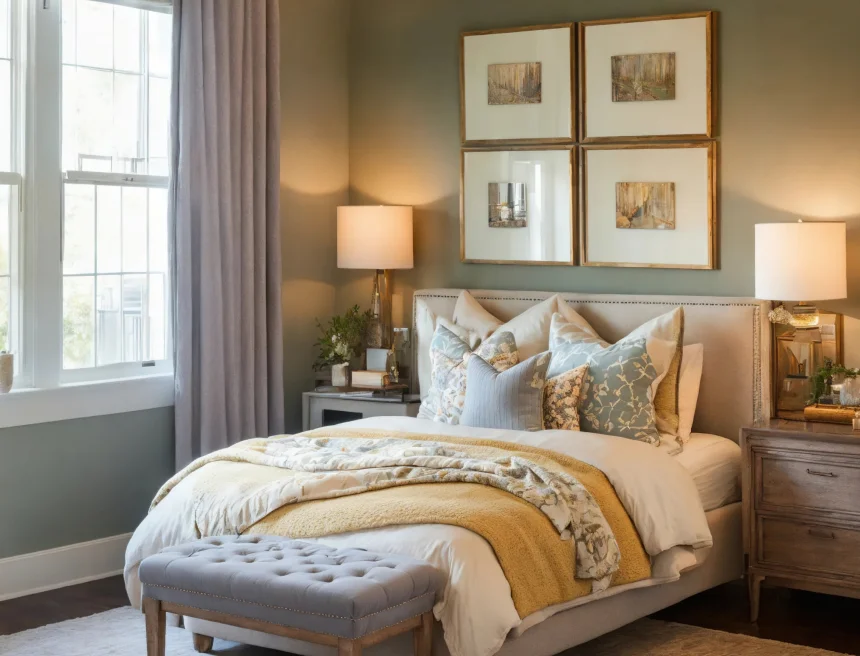
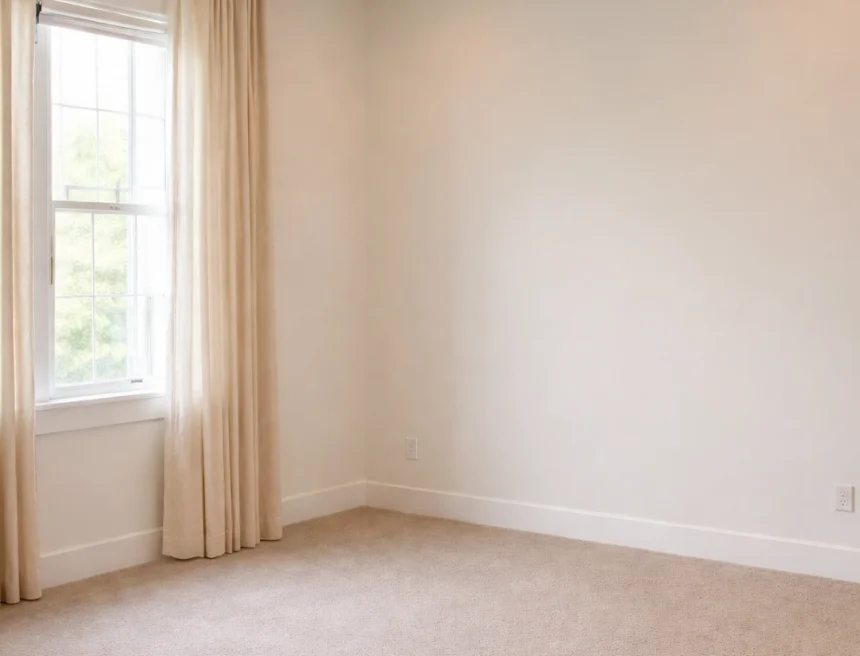
A demonstration of how balanced forms and neutral tones transform a plain room into a refined Transitional space.
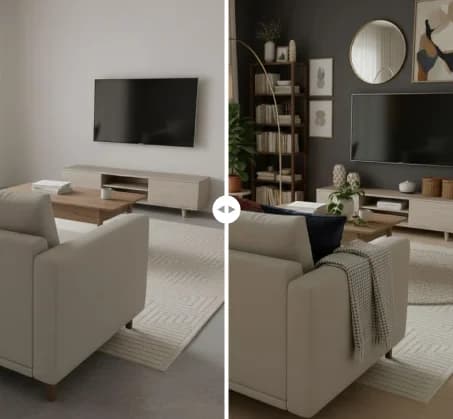
Try Transitional Design Style on Your Space - Free
Instant AI generation with 100 free credits. No credit card needed.
Start Free NowTable of Contents
- What Defines Transitional Interiors?
- The Atmosphere Transitional Design Creates
- Ideal Applications for Transitional Design
- Why Transitional Design Remains Relevant in 2026?
- How RenoAI Visualizes Transitional Interiors Instantly
- The Origins of Transitional Design: A Bridge Between Classic and Contemporary
- Core Characteristics of Transitional Interiors
- Transitional Color Palette Guide
- Furniture & Decor in Transitional Design
- How to Create Transitional Interior Design: 10-Step Guide
- 7 Common Mistakes in Transitional Interiors
- 50+ Transitional Design Ideas to Inspire Your Space
Related Styles

Design Your Perfect Transitional Interior in Seconds
Upload your room, choose the transitional style, and instantly generate realistic interior design transformations.
Generate Your Transitional Design