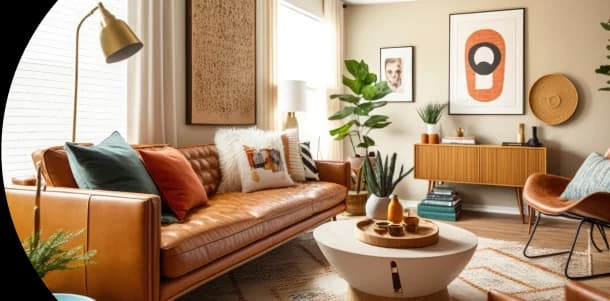
Scandinavian Interior Design: Light, Simple, and Comfortably Minimal
Scandinavian interior design blends simplicity, functionality, and warmth through bright spaces, light wood, soft palettes, clean lines, and natural textures creating calm, cozy interiors inspired by Nordic living and minimalism.
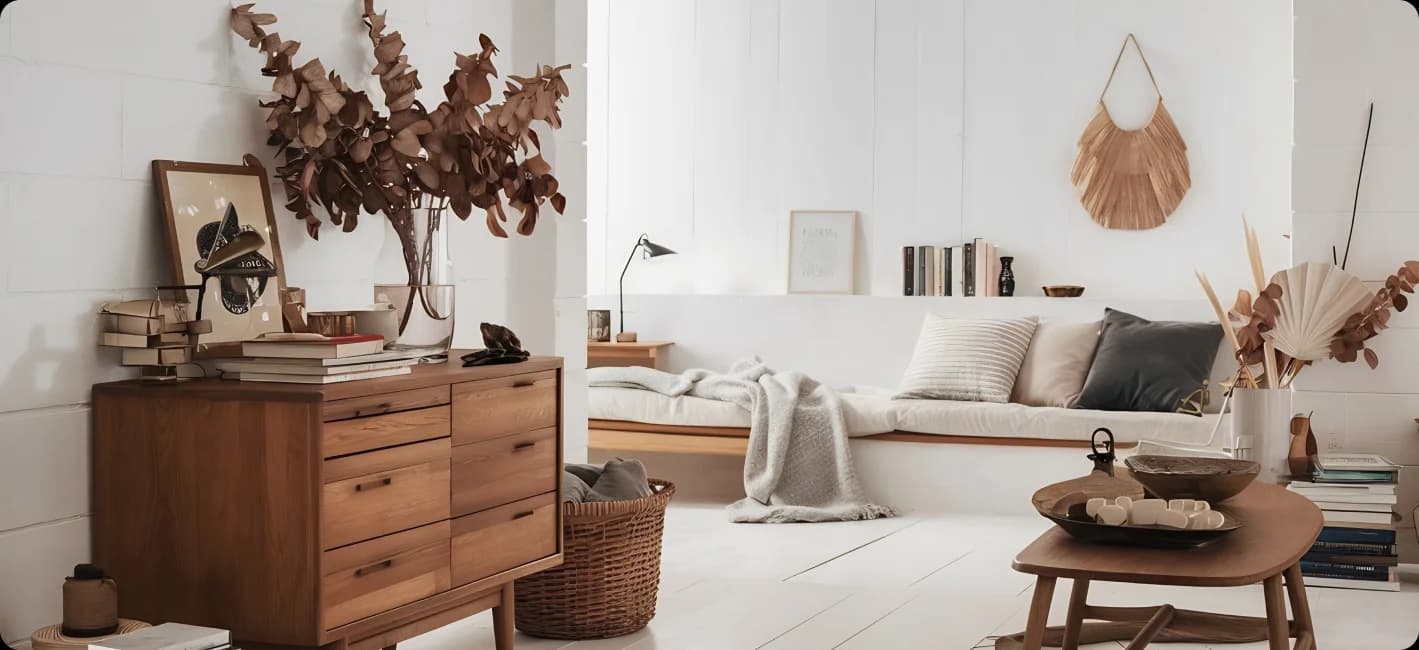
What Defines Scandinavian Interiors?
Scandinavian interior design blends simplicity, functionality, and warmth through bright spaces, light wood, soft palettes, clean lines, and natural textures creating calm, cozy interiors inspired by Nordic living and minimalism.
- ·Light-Focused Spaces: Bright interiors with white or neutral walls help reflect natural daylight.
- ·Functional Simplicity: Furniture is designed for everyday use with clean and practical forms.
- ·Natural Materials: Light woods, linen fabrics, wool textiles, and ceramics bring warmth to minimal spaces.
- ·Minimal Decoration: Decor remains restrained, allowing materials and craftsmanship to stand out.
- ·Comfortable Living: Soft textiles, warm lighting, and cozy seating create the inviting feeling associated with Nordic homes.
Scandinavian design proves that minimal interiors can still feel warm, relaxed, and deeply livable. The style prioritizes clarity, comfort, and natural beauty in everyday living environments.
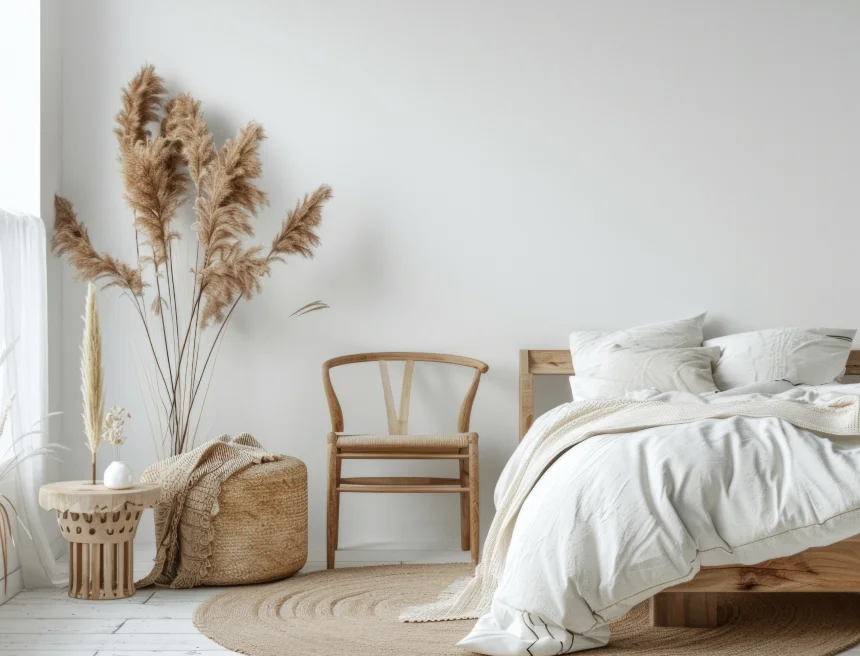
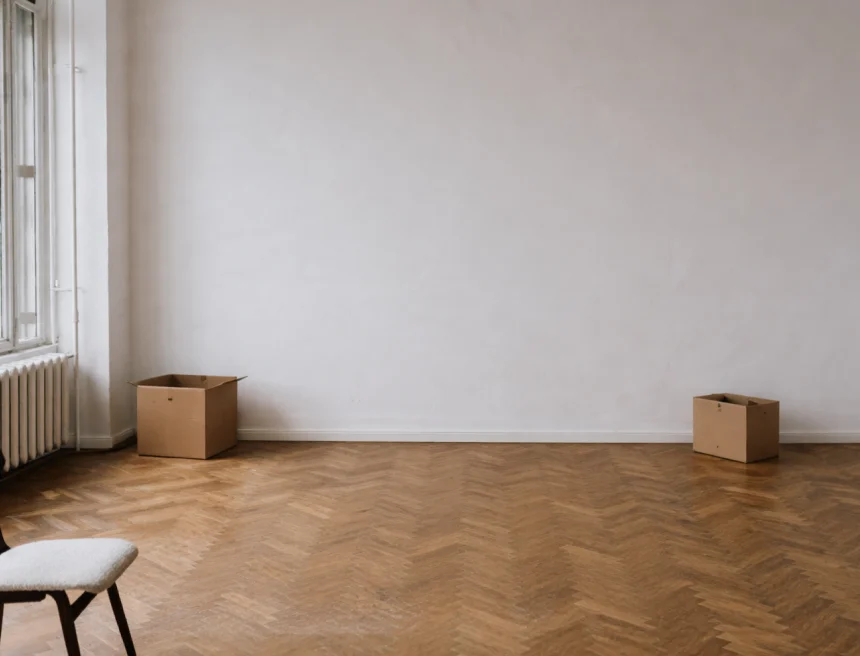
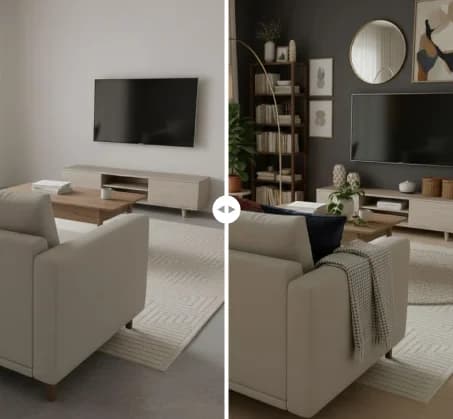
Witness the shift from a dark room to a bright, light-filled Scandinavian escape using natural materials and light wood finishes.
The Atmosphere Scandinavian Design Creates
Scandinavian interiors create an atmosphere that feels calm, bright, and comfortably minimal. The spaces are designed to feel open and uncluttered while still maintaining warmth and everyday livability. Natural light, soft neutral tones, and organic materials help establish a relaxed environment that encourages both comfort and simplicity.
- ·Bright
- ·Calm
- ·Cozy
- ·Airy
- ·Minimal
- ·Welcoming
The overall atmosphere reflects the Nordic concept of hygge a feeling of warmth, comfort, and relaxed living within a thoughtfully designed environment.
Ideal Applications for Scandinavian Design
Scandinavian design adapts easily to a wide range of living spaces because of its simplicity and functional approach. The style works particularly well in environments where natural light, minimal layouts, and practical furniture arrangements can enhance the feeling of openness. Because Scandinavian interiors prioritize comfort and everyday usability, they fit both compact urban homes and larger residential spaces. Scandinavian style works especially well in:
- ·Modern apartments
- ·Small urban homes
- ·Bedrooms and relaxation spaces
- ·Living rooms with natural light
- ·Home offices or study areas
- ·Contemporary kitchens and dining spaces
Light-toned palettes and minimal furniture help smaller rooms feel more spacious, while natural materials add warmth to larger interiors. Open layouts and simple furniture arrangements further enhance the airy character of Scandinavian design. When applied thoughtfully, Scandinavian interiors transform spaces into bright, comfortable environments that balance minimal design with everyday practicality.
Why Scandinavian Design Remains Relevant in 2026?
Scandinavian design continues to thrive because it aligns naturally with modern living preferences centered on simplicity, sustainability, and functional comfort. Clean layouts integrate easily with contemporary architecture, while natural materials support today’s focus on wellness-oriented interiors.
Soft neutral palettes reflect daylight effectively, making Scandinavian spaces feel open and calming even in compact homes. The style’s focus on minimal furniture and purposeful décor also fits modern lifestyles that prioritize clarity over visual excess. Two main interpretations appear in contemporary interiors:
Both approaches retain the essence of the style: balanced spaces built on functionality, natural materials, and understated beauty.
How RenoAI Visualizes Scandinavian Interiors Instantly?
Transform any room into a bright Scandinavian space using RenoAI’s AI-powered design visualization in just a few guided steps.
RenoAI makes exploring Scandinavian interiors simple and practical. By combining AI-powered visualization with Nordic design principles, the platform helps transform ordinary rooms into bright, balanced living environments.
Homeowners, designers, and architects can experiment with layouts, materials, and color palettes instantly, allowing confident design decisions before committing to renovations or furniture purchases.
The Origins of Scandinavian Design: Simplicity Inspired by Nordic Living
Scandinavian design developed in the early twentieth century across Nordic countries including Denmark, Sweden, Norway, and Finland. The movement responded to regional climates, long winters, and a cultural preference for practical, well-crafted living environments.
Designers began prioritizing functional furniture, natural materials, and bright interiors that could maximize limited daylight. Rather than decorative excess, the philosophy emphasized usability, comfort, and visual clarity.
Nordic craftsmanship traditions influenced the movement heavily. Furniture makers focused on durable construction, simple silhouettes, and the natural beauty of wood, allowing materials themselves to become part of the design language.
Architecture and interior design evolved together, producing cohesive spaces defined by open layouts, light surfaces, and thoughtful proportions.
Today, Scandinavian design continues to influence global interiors through its timeless balance of practicality, warmth, and understated elegance.
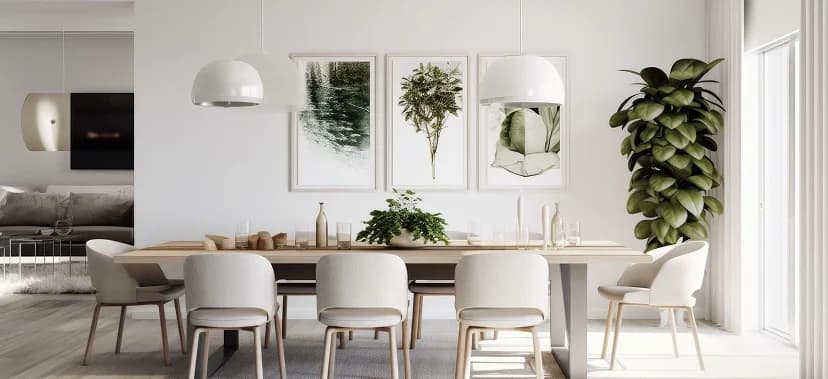
Core Characteristics of Scandinavian Interiors
Scandinavian interiors are defined by simplicity, functionality, and comfort. The style focuses on creating bright and welcoming environments where minimal design meets everyday practicality. Instead of relying on heavy decoration, Scandinavian spaces highlight natural materials, thoughtful furniture placement, and balanced color palettes.
The following characteristics shape authentic Nordic interiors.
Bright and Light-Filled Spaces
Natural light plays a major role in Scandinavian interiors. Large windows, white walls, and reflective surfaces help maximize daylight, creating spaces that feel open and airy throughout the year.
- ·White or soft neutral walls
- ·Large unobstructed windows
- ·Light-toned flooring
- ·Simple window treatments
These features help interiors feel brighter even during darker seasons.
Natural Wood Materials
Light wood is a defining feature of Scandinavian design. It adds warmth and natural character while maintaining the minimalist aesthetic.
- ·Oak or ash dining tables
- ·Light wood flooring
- ·Wooden shelving units
- ·Minimal wood bed frames
Natural wood balances the simplicity of white and neutral color palettes.
Functional Minimal Furniture
Furniture in Scandinavian interiors is designed to be practical, comfortable, and visually simple. Pieces typically feature clean lines and lightweight forms.
- ·Minimal sofas with soft upholstery
- ·Simple wooden dining chairs
- ·Compact coffee tables
- ·Practical storage cabinets
The goal is to create uncluttered interiors that remain comfortable for everyday living.
Cozy Textile Layers
Although Scandinavian interiors are minimal, textiles add warmth and softness. These layers create the cozy atmosphere associated with Nordic living.
- ·Wool throws
- ·Linen cushions
- ·Woven rugs
- ·Soft cotton fabrics
These elements contribute to the feeling of comfort often described as hygge.
Minimal Decorative Elements
Decoration remains subtle and intentional. Scandinavian interiors rely on quality pieces rather than large quantities of décor.
- ·Ceramic vases
- ·Minimal wall art
- ·Indoor plants
- ·Simple table accessories
These details enhance the space without overwhelming the clean design.
Scandinavian Color Palette Guide
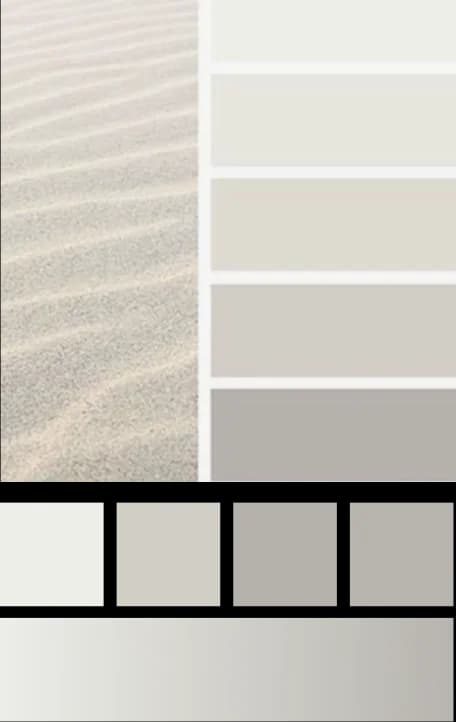
Scandinavian interiors rely on soft, light-reflecting color palettes that create bright and calming environments. Instead of bold colors or strong contrasts, Scandinavian palettes focus on gentle tonal layering that keeps the space feeling airy and harmonious.
Light Neutral Foundations
Common base colors include:
- Pure & Soft Whites
- Off-Whites & Creams
- Light Beige & Sand Tones
- Pale Greys
- Light Greige & Taupe
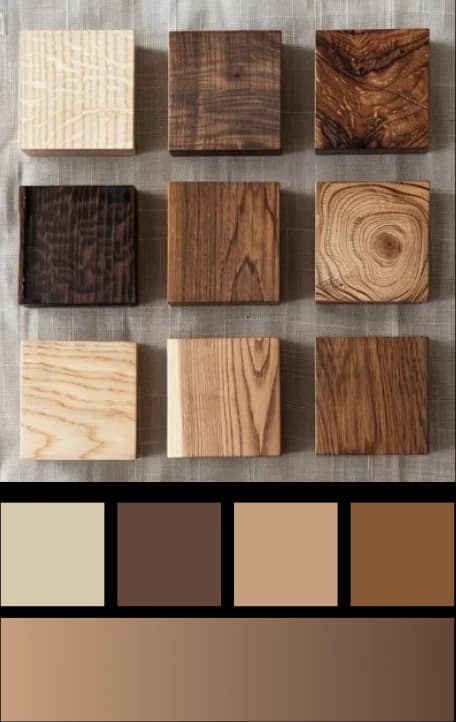
Natural Wood Tones
Typical wood tones include:
- Light Wood Tones
- Medium Wood Tones
- Dark Wood Tones
- Warm Reddish Wood Tones
- Greyed & Weathered Wood
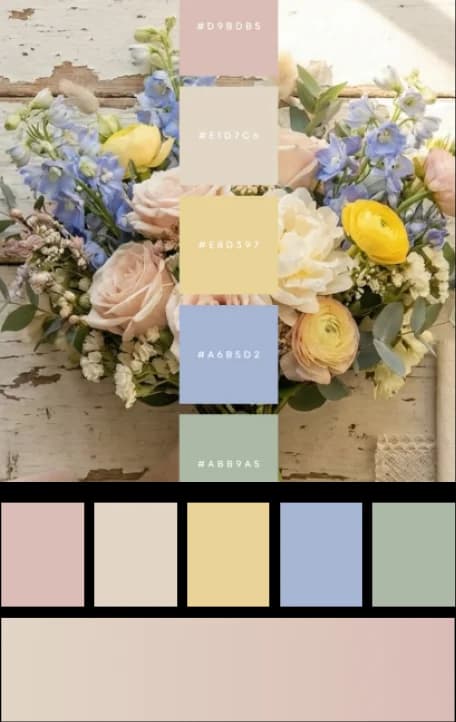
Soft Accent Colors
Common accent shades include:
- Soft Blues
- Soft Greens
- Warm Soft Pinks
- Muted Yellows
- Soft Lavender & Neutrals
How to Choose Furniture and Decor for Scandinavian Interiors?
Furniture and décor in Scandinavian interiors prioritize simplicity, comfort, and functionality. The design avoids heavy ornamentation and instead focuses on well-crafted pieces that combine clean forms with natural materials.
Nordic interiors aim to create spaces that are minimal yet inviting. Furniture remains lightweight in appearance, while natural textures and soft textiles ensure the room still feels warm and livable.
Minimal Functional Furniture
Furniture in Scandinavian interiors is designed for everyday practicality. Pieces usually feature clean lines, simple forms, and comfortable proportions.
- Light wood sofas with neutral upholstery
- Simple wooden dining tables
- Compact coffee tables with minimal design
- Functional storage cabinets
These pieces maintain visual simplicity while supporting daily living.
Natural Wood Furniture
Light wood furniture is a defining feature of Scandinavian design. It adds warmth while preserving the minimalist aesthetic.
- Oak or birch dining tables
- Wooden chairs with simple frames
- Light wood shelving units
- Minimal bed frames
Natural wood finishes help balance the bright neutral palette.
Soft Textile Layers
Textiles introduce warmth and comfort into Scandinavian interiors. These elements help soften the clean architectural lines and minimalist furniture.
- Wool throws
- Linen cushions
- Neutral cotton fabrics
- Woven area rugs
Layered textiles contribute to the cozy Nordic atmosphere.
Simple Decorative Elements
Decor remains subtle and intentional. Scandinavian interiors rely on a few meaningful objects rather than excessive decoration.
- Ceramic vases
- Minimal framed artwork
- Indoor plants
- Simple table accessories
These elements enhance the space without disrupting the calm design.
How to Create a Scandinavian Interior: Step-by-Step Guide?
Achieve the bright, functional, and warm Nordic look with these steps.
Start with a Bright Neutral Base
Scandinavian interiors begin with light and calm foundations.
- ·White painted walls: Soft white walls reflect daylight and create open interiors.
- ·Warm neutral paint tones: Ivory or light beige adds warmth without heavy contrast.
- ·Light wood flooring: Oak or ash flooring enhances Scandinavian natural simplicity.
- ·Minimal wall finishes: Clean surfaces keep the room visually uncluttered.
Design Insight: Bright foundations amplify natural light and establish the calm Nordic atmosphere.
Introduce Natural Wood Elements
Wood materials define Scandinavian warmth and authenticity.
- ·Light oak furniture: Oak tables and chairs bring natural texture.
- ·Birch wood finishes: Birch surfaces maintain the classic Nordic aesthetic.
- ·Wood shelving units: Open wooden shelves keep interiors light.
- ·Natural wood accents: Wood details soften minimal interiors.
Design Insight: Light wood adds warmth while preserving Scandinavian simplicity.
Use Simple Functional Furniture
Furniture should feel practical and light.
- ·Clean minimal sofa designs
- ·Simple wooden dining chairs
- ·Compact functional coffee tables
- ·Lightweight open shelving units
- ·Minimal storage cabinets
Add Cozy Textile Layers
Soft textiles introduce warmth and comfort.
- ·Wool throws on seating
- ·Linen cushions for sofas
- ·Neutral woven area rugs
- ·Cotton blankets for warmth
- ·Soft textured pillow covers
Maximize Natural Light Flow
Scandinavian interiors rely heavily on daylight.
- ·Sheer window curtains: Light fabrics allow sunlight to fill interiors.
- ·Minimal window coverings: Avoid heavy drapes blocking natural light.
- ·Reflective wall colors: White surfaces help bounce daylight.
- ·Open window spaces: Clear windows improve brightness and openness.
Natural light is essential for authentic Scandinavian interiors.
Keep Layouts Open and Airy
Furniture placement should maintain spacious flow.
- ·Avoid overcrowded furniture arrangements
- ·Maintain clear walking pathways
- ·Keep window areas open
- ·Allow breathing room between furniture
- ·Use balanced room composition
Introduce Soft Neutral Accents
Accent colors remain subtle and calming.
- ·Dusty blue textile accents
- ·Muted sage green cushions
- ·Warm taupe decorative pieces
- ·Pale grey decorative objects
- ·Soft neutral artwork frames
Add Natural Decorative Elements
Decor should remain minimal yet meaningful.
- ·Simple ceramic vases displayed
- ·Indoor plants add freshness
- ·Minimal framed artwork pieces
- ·Wooden trays or bowls
- ·Small sculptural decorative accents
Maintain Clean Uncluttered Surfaces
Scandinavian interiors avoid visual clutter.
- ·Limit decorative tabletop objects
- ·Keep shelves visually organized
- ·Avoid excessive wall decorations
- ·Maintain clear furniture surfaces
- ·Display only essential pieces
Refine the Space for Balance
Scandinavian interiors succeed through careful editing.
- ·Remove unnecessary decorative items: Minimal decor keeps interiors calm.
- ·Balance materials and textures: Combine wood, fabric, and soft surfaces.
- ·Maintain consistent color palette: Avoid strong contrasts or bold colors.
- ·Highlight natural materials: Allow wood and textiles to stand out.
Scandinavian interiors look best when simplicity guides every design decision.
Common Mistakes in Scandinavian Interiors
Mistake #1: Overfilling the Space with Too Much Furniture
Too many furniture pieces reduce openness and disrupt Scandinavian spatial harmony.
Correction: Choose fewer functional pieces and maintain open pathways between furniture.
Mistake #2: Ignoring Natural Light in the Layout
Blocking windows with furniture prevents sunlight from illuminating Scandinavian interiors.
Correction: Keep window areas open and use sheer curtains to maximize daylight.
Mistake #3: Using Too Many Bold Accent Colors
Multiple bright colors break the calm visual balance typical Scandinavian interiors.
Correction: Limit accents to soft muted tones supporting neutral Scandinavian palettes.
Mistake #4: Overdecorating Minimal Scandinavian Spaces
Too many decorative objects create clutter and weaken Scandinavian minimalist aesthetic.
Correction: Select few meaningful decor pieces that complement clean interior compositions.
Mistake #5: Ignoring Texture in Minimal Design
Lack of texture makes Scandinavian interiors appear cold and visually flat.
Correction: Add wool, linen, and wood textures to create warmth indoors.
Scandinavian interiors look best when simplicity guides every design decision.
50+ Scandinavian Interior Transformations
Explore inspiring room makeovers that transform everyday spaces into bright, calm Scandinavian interiors through minimal design, natural materials, and light-filled layouts.
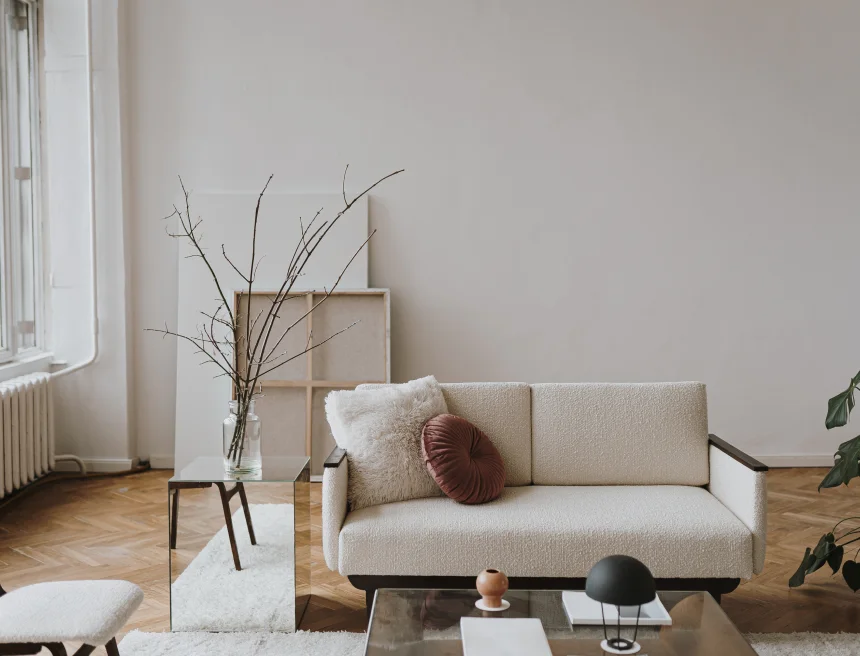

A demonstration of how white surfaces and natural materials open up a room.
Try Scandinavian Style on Your Space - Free
Instant AI generation with 100 free credits. No credit card needed.
Start Free NowTable of Contents
- What Defines Scandinavian Interiors?
- Room Reimaginings
- The Atmosphere Created
- Ideal Applications for Scandinavian Design
- Why It Remains Relevant
- How RenoAI Visualizes
- Origins of Scandinavian Design
- Core Characteristics
- Color Palette Guide
- Furniture & Decor Selection
- Step-by-Step Guide
- Common Mistakes to Avoid
- 50+ Interior Transformations

Bring Scandinavian Calm into Your Room
Upload your room photo and instantly preview clean Nordic layouts, natural materials, and serene minimalist Scandinavian styling.
Preview Scandinavian Style