Moroccan Interior Design: Exotic Elegance Inspired by Culture
Moroccan interior design blends vibrant colors, intricate patterns, carved wood, patterned tiles, lantern lighting, and layered textiles to create warm, decorative spaces inspired by North African architecture and traditional artisan craftsmanship.
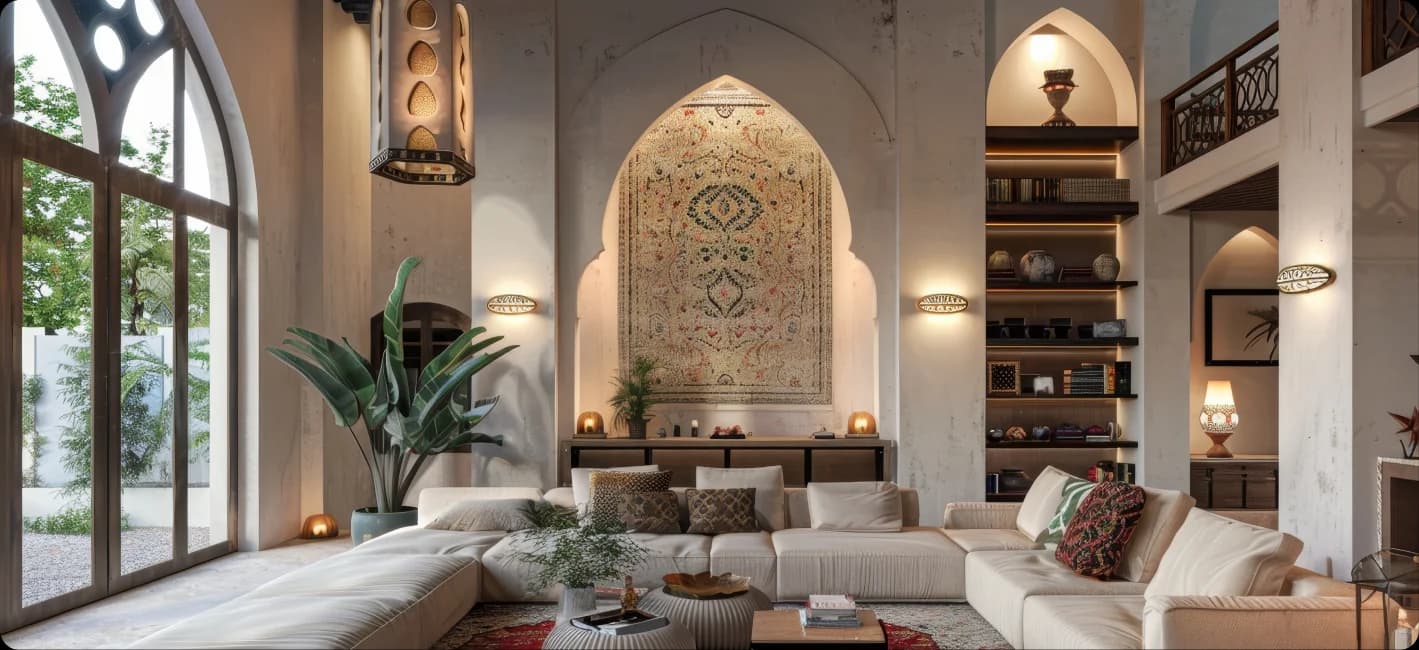
What Defines Authentic Moroccan Interiors?
- ·Intricate Geometric Patterns: Moroccan spaces often feature complex patterns in tiles, textiles, and carved surfaces, creating rhythmic visual movement throughout the room.
- ·Handcrafted Materials: Traditional craftsmanship plays a central role, including hand-cut tiles, carved wood furniture, hammered metal, and woven textiles.
- ·Decorative Lighting: Lantern-style lighting fixtures are iconic in Moroccan interiors, casting patterned shadows that enhance atmosphere and depth.
- ·Arched Architectural Details: Doorways, windows, and alcoves often feature curved or horseshoe arches that add architectural character.
- ·Layered Textiles & Rugs: Rich fabrics, embroidered cushions, and patterned rugs introduce warmth and visual softness.
Moroccan interiors feel vibrant, artisanal, and culturally expressive spaces where pattern, craftsmanship, and atmosphere combine to create a deeply decorative yet inviting environment.
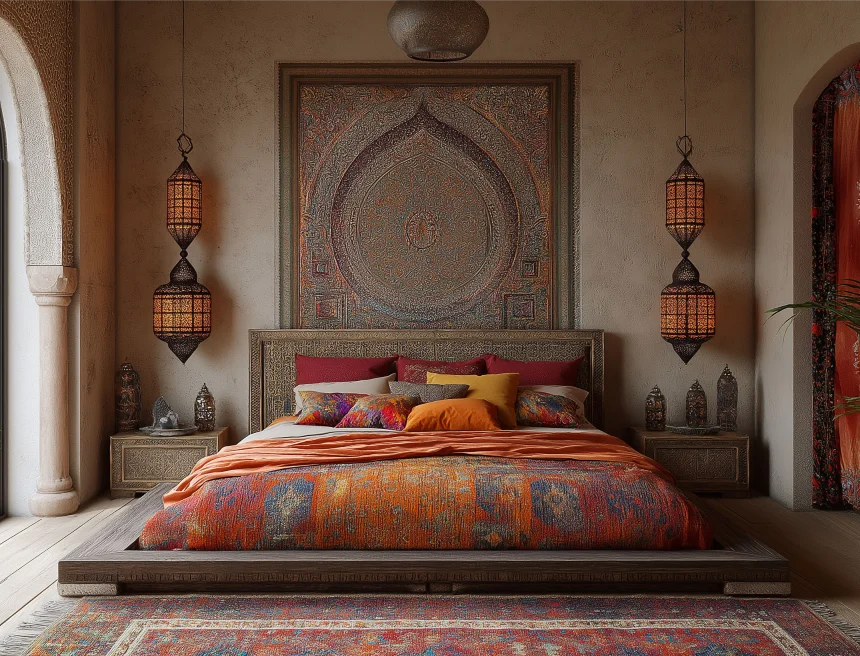
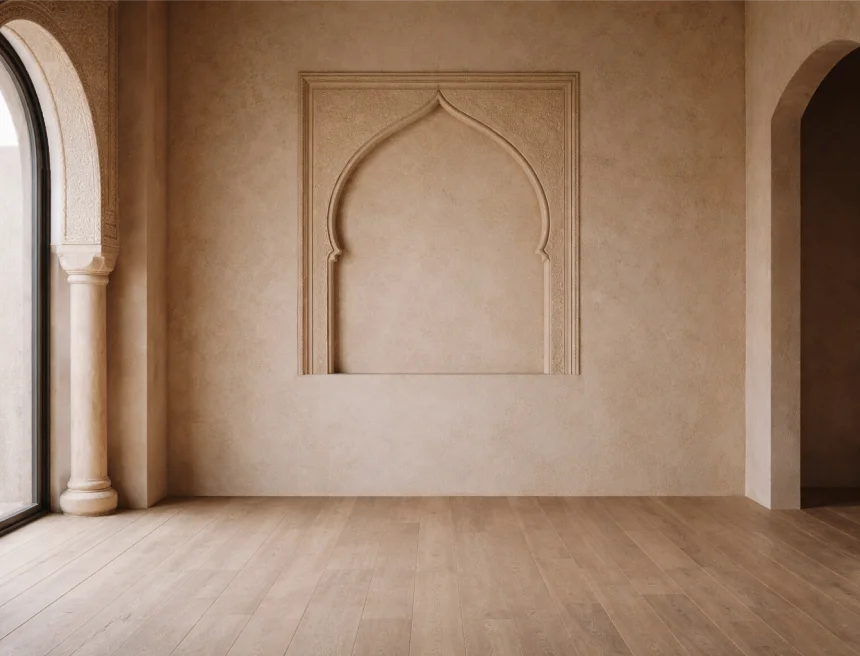
Experience the rich textures and patterns of Moroccan design instantly.
The Atmosphere Moroccan Design Creates
Moroccan interiors evoke warmth, richness, and sensory depth. The atmosphere feels immersive and inviting, shaped by intricate patterns, layered textiles, and soft ambient lighting. Unlike minimalist spaces, Moroccan design embraces visual abundance while maintaining harmony through repeating motifs and balanced color palettes.
- ·Warm
- ·Exotic
- ·Vibrant
- ·Intimate
- ·Artisanal
Moroccan interiors are designed to feel layered and immersive spaces that celebrate craftsmanship, cultural influence, and relaxed hospitality.
Ideal Applications for Moroccan Design
Moroccan design works beautifully in spaces that celebrate warmth, texture, and decorative detail. Its layered materials and vibrant patterns create inviting environments that feel both cultural and atmospheric.
- ·Private residences with expressive interiors
- ·Boutique hotels and riad-style accommodations
- ·Restaurants and hospitality spaces
- ·Lounges and gathering areas
- ·Courtyards, terraces, and balconies
- ·Bedrooms designed for warmth and relaxation
Why Moroccan Interiors Remain Relevant Today?
Moroccan interiors continue to appeal to modern homeowners because they blend cultural richness with warm, welcoming design. Layered textures, handcrafted materials, and decorative patterns complement both traditional and contemporary architectural spaces.
Two major interpretations are commonly seen today:
Both interpretations preserve the essence of Moroccan design: expressive craftsmanship, tactile materials, and a visually immersive atmosphere that brings warmth and cultural depth to modern living spaces.
How RenoAI Visualizes Moroccan Interiors Instantly?
Transform your space into a richly detailed Moroccan-inspired interior in just a few simple steps using RenoAI.
Moroccan interiors are known for their intricate craftsmanship, vibrant color compositions, and layered decorative elements.
The style blends geometric tilework, carved wood detailing, and ornamental metal lighting to create spaces that feel rich in character and cultural depth.
Arched doorways, textured walls, and patterned textiles contribute to a visually immersive environment, while natural materials such as clay, wood, and woven fibers introduce warmth and authenticity.
Lantern lighting adds atmosphere by casting patterned shadows that enhance the room’s mood. When these elements work together, Moroccan design transforms interiors into inviting spaces filled with texture, heritage, and timeless artisan beauty.
The Origins of Moroccan Design: A Style Shaped by Culture and Craft
Moroccan interior design developed through centuries of cultural exchange across North Africa and the Mediterranean. Influences from Berber traditions, Islamic architecture, and Andalusian design shaped the distinctive visual language seen in Moroccan homes and riads.
The style reflects a deep appreciation for craftsmanship. Hand-cut mosaic tiles, carved cedar wood, decorative plasterwork, and intricate metal lanterns became defining elements of Moroccan interiors.
Architectural forms such as arches, niches, and courtyards create spatial rhythm, while vibrant textiles and patterned rugs introduce warmth and texture.
Over time, Moroccan design evolved while preserving its artisanal roots. Today, the style continues to inspire modern interiors by combining traditional craftsmanship, rich material palettes, and layered decorative elements that celebrate culture, artistry, and hospitality.
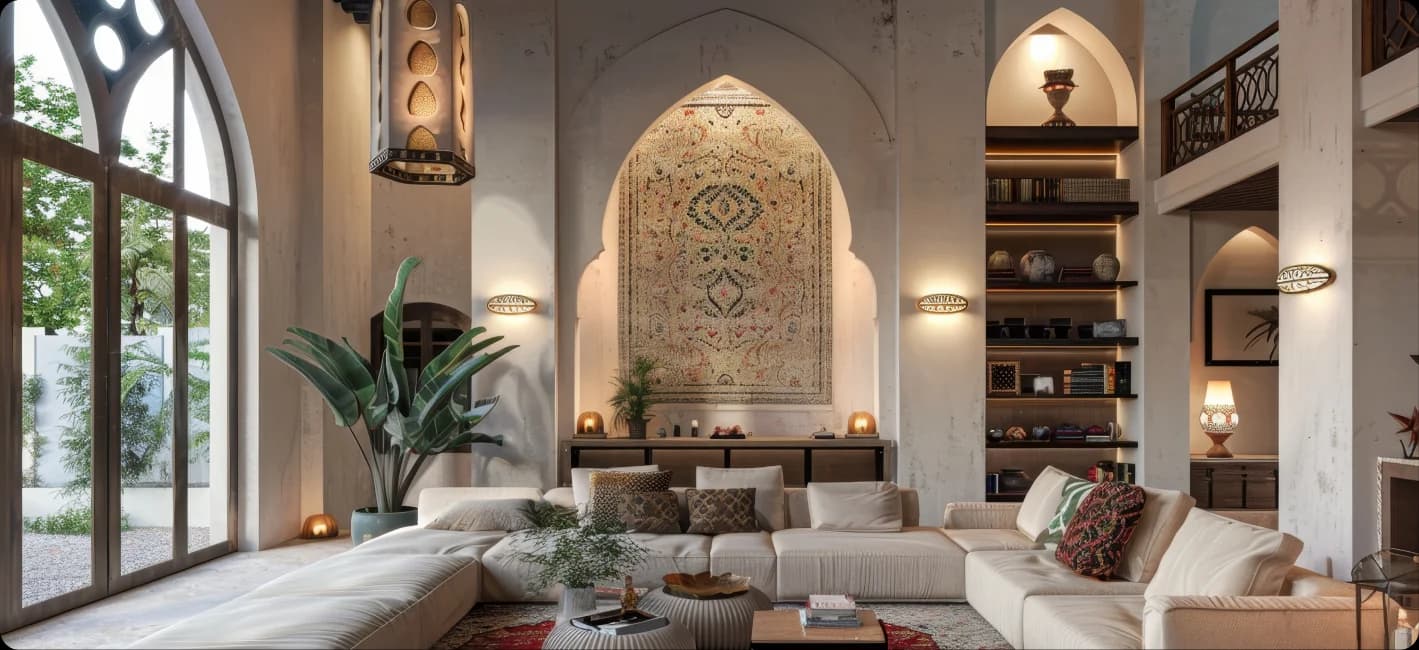
Core Characteristics of Moroccan Interiors
Moroccan interiors are defined by rich ornamentation, cultural craftsmanship, and layered textures. The style combines intricate detail with warm materials to create spaces that feel vibrant, atmospheric, and welcoming.
Below are the defining characteristics that shape authentic Moroccan interiors.
Intricate Geometric Patterns
Geometry is a defining visual element in Moroccan design.
- ·Zellige tile patterns
- ·Mosaic flooring and walls
- ·Carved wood detailing
- ·Decorative plasterwork
These patterns add visual rhythm and artistic complexity to the space.
Handcrafted Materials
Moroccan interiors celebrate artisan craftsmanship.
- ·Hand-cut tiles
- ·Carved wooden furniture
- ·Hammered brass or copper décor
- ·Handwoven textiles
Each handcrafted piece adds authenticity and cultural character.
Decorative Lantern Lighting
Lighting is both functional and ornamental.
- ·Metal lantern pendants
- ·Pierced brass lamps
- ·Candle lanterns
- ·Hanging lantern clusters
These fixtures create dramatic patterns of light and shadow.
Arches and Architectural Details
Traditional Moroccan spaces often include distinctive architectural forms.
- ·Horseshoe arches
- ·Curved doorways
- ·Decorative niches
- ·Alcoves and recessed seating areas
These shapes soften the structure of the room while adding depth.
Layered Textiles & Rugs
Textiles introduce warmth and comfort.
- ·Patterned rugs
- ·Embroidered cushions
- ·Draped fabrics
- ·Decorative throws
Layering fabrics enhances the cozy and inviting character of the interior.
Rich, Vibrant Color Composition
Moroccan color palettes often blend earthy tones with bold accents.
- ·Terracotta and clay
- ·Deep blues and emerald greens
- ·Saffron and mustard
- ·Warm neutrals and metallics
Color layering contributes to the vibrant yet balanced atmosphere.
Moroccan Color Palette Guide
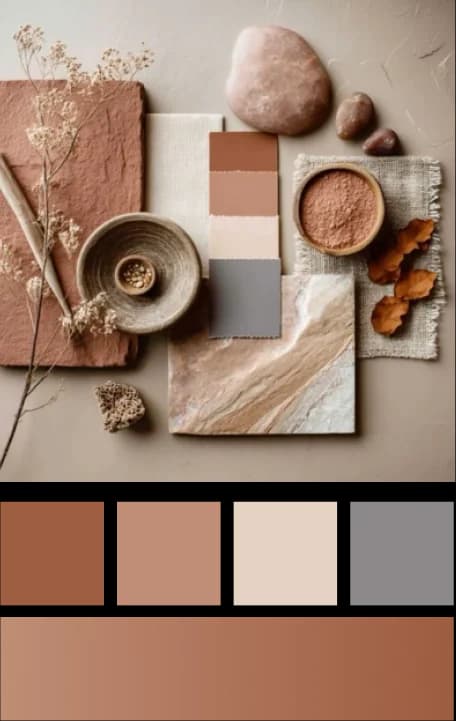
Moroccan interiors are known for their vibrant yet grounded color compositions. The palette draws inspiration from desert landscapes, coastal cities, and traditional Moroccan craftsmanship, blending earthy tones with rich jewel accents.
Earthy Desert Foundations
Neutral tones create warmth and visual balance.
- Sand Dune
- Terracotta Clay
- Desert Taupe
- Sunbaked Ochre
- Dusty Stone
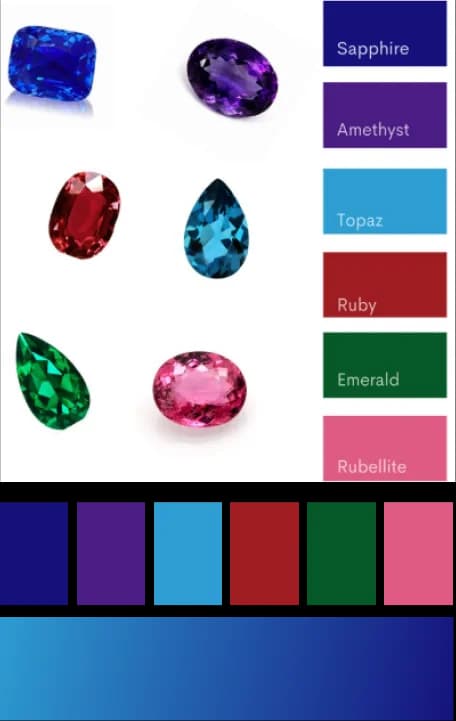
Jewel-Toned Accents
Moroccan interiors often feature bold accent hues.
- Emerald Green
- Sapphire Blue
- Ruby Red
- Amethyst Purple
- Topaz Gold
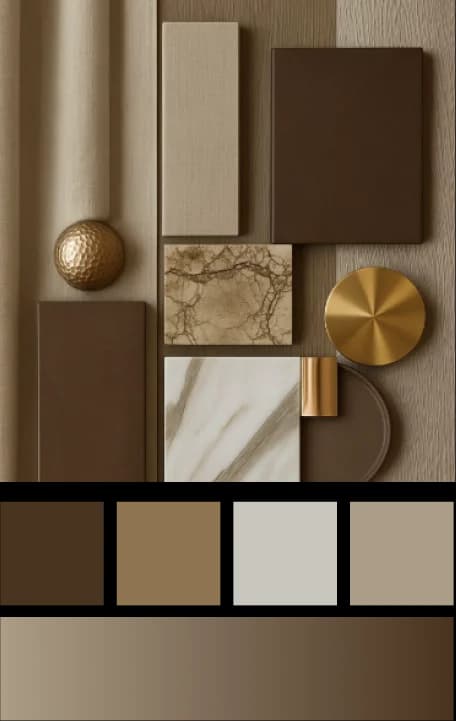
Metallic Highlights
Metal finishes add depth and subtle shine.
- Brushed Gold
- Antique Bronze
- Polished Copper
- Silver Leaf
- Champagne Metallic
How to Select Furniture and Decor for Moroccan Design?
Furniture and décor in Moroccan interiors emphasize craftsmanship, texture, and cultural richness. Pieces often feature hand-carved detailing, ornate metalwork, and layered textiles that bring warmth and character to the space.
Moroccan design favors inviting layouts and decorative elements that feel collected and artisanal rather than perfectly matched.
Low Lounge Seating
Moroccan living spaces are designed for comfort and conversation.
- Floor cushions and poufs
- Low sofas or daybeds
- Upholstered benches along walls
- Patterned ottomans
This relaxed seating arrangement encourages gathering and informal interaction.
Carved Wood Furniture
Wooden pieces often display intricate craftsmanship.
- Hand-carved coffee tables
- Decorative side tables
- Wooden cabinets and chests
- Carved headboards or screens
These elements introduce texture and cultural detail.
Patterned Rugs & Textiles
Textiles play a central role in Moroccan interiors.
- Layered rugs
- Embroidered cushions
- Decorative throws
- Patterned fabric accents
The layering of fabrics adds depth and visual richness.
Lantern Lighting
Lighting is both functional and decorative.
- Brass or copper lantern pendants
- Pierced metal lamps
- Hanging lantern clusters
- Decorative candle lanterns
Lanterns create dramatic light patterns and warm ambiance.
Decorative Ceramics & Metalwork
Accessories highlight traditional Moroccan craftsmanship.
- Painted ceramic vases
- Decorative plates and bowls
- Hammered metal trays
- Mosaic tables
- Handcrafted pottery
These pieces bring color, artistry, and authenticity to the space.
How to Create a Moroccan Interior: Step-by-Step Guide
Transform any space into a warm Moroccan-inspired retreat using textures, patterns, lighting, and layered decorative details.
Establish a Rich Color Foundation
Moroccan interiors begin with warmth. Start with earthy base colors inspired by desert landscapes and traditional architecture.
Earth-Inspired Wall Palette
Clay, terracotta, or warm sand tones create an authentic Moroccan atmosphere and allow decorative elements to stand out.
Patterned Tile Accent Surface
Introduce patterned ceramic tiles on one wall or backsplash to instantly add Moroccan visual character.
Textured Plaster Wall Finish
Soft plaster or limewash surfaces bring depth and natural warmth typical of Moroccan interiors.
Decorative Arch Feature
Highlight a doorway or wall niche with a curved Moroccan arch shape.
Design Insight:
Warm foundational colors set the tone. Pattern and decoration work best when the base palette feels natural and grounded.
Introduce Patterned Tile Elements
Decorative tilework brings authentic Moroccan craftsmanship and visual rhythm into interior spaces.
Zellige-Inspired Tile Pattern
Hand-cut geometric tiles in blues, greens, or terracotta create signature Moroccan surfaces.
Mosaic Backsplash Installation
Small mosaic tile layouts add intricate detail to kitchens, bathrooms, or accent walls.
Patterned Tile Flooring
Bold patterned floors instantly transform a space with cultural richness.
Decorative Tile Wall Panels
Tile panels behind seating or entryways create striking focal points.
Design Insight:
Moroccan interiors rely on pattern. A single strong tile feature creates authenticity without overwhelming the room.
Layer Rich Textiles
Introduce warmth through layered fabrics
- ·Patterned rugs define seating
- ·Embroidered cushions add comfort
- ·Draped fabrics soften surfaces
- ·Decorative throws enhance warmth
- ·Woven textiles add texture
Use Lantern Lighting
Lighting shapes Moroccan atmosphere
- ·Brass lantern pendants glow
- ·Pierced lamps cast patterns
- ·Hanging lantern clusters shine
- ·Candle lanterns add warmth
- ·Metal lamps create ambience
Add Handcrafted Furniture
Moroccan interiors highlight artisanal furniture pieces that introduce character, craftsmanship, and decorative detail.
Carved Wooden Coffee Tables
Hand-carved tables with intricate patterns become strong focal points within Moroccan living spaces.
Low Lounge Seating Arrangement
Floor seating, poufs, and low sofas create relaxed gathering areas inspired by traditional Moroccan interiors.
Decorative Wooden Storage Pieces
Chests and cabinets with carved patterns add both function and decorative richness.
Ornate Headboards or Screens
Carved wood panels introduce architectural beauty in bedrooms or living spaces.
Choose fewer handcrafted pieces with strong presence rather than many small decorative items.
Incorporate Natural Materials
Authenticity comes from organic materials
- ·Clay pottery adds warmth
- ·Wood furniture adds texture
- ·Metal decor introduces shine
- ·Woven baskets provide storage
- ·Ceramic surfaces enhance character
Add Decorative Accessories
Small details complete Moroccan interiors
- ·Decorative trays display objects
- ·Patterned ceramics introduce color
- ·Sculptural vases enhance tables
- ·Brass objects reflect light
- ·Handmade pottery adds authenticity
Create Comfortable Seating Zones
Encourage relaxed social gatherings
- ·Cushioned seating areas invite relaxation
- ·Layered rugs define spaces
- ·Low tables support conversation
- ·Floor pillows enhance comfort
- ·Soft textiles improve warmth
Balance Colors and Patterns
Harmony prevents visual overwhelm
- ·Repeat colors across textiles
- ·Balance patterns with solids
- ·Combine neutrals with accents
- ·Limit excessive pattern mixing
- ·Maintain visual rhythm carefully
Refine the Final Styling
The final step ensures the room feels curated, balanced, and visually harmonious.
Edit Decorative Elements Carefully
Remove unnecessary items so handcrafted pieces and patterns remain visually impactful.
Highlight Key Statement Pieces
Allow furniture, lantern lighting, or tile features to become focal points.
Keep Surfaces Organized
Moroccan design embraces richness but should never feel cluttered.
Use Symmetry for Balance
Pair lanterns, cushions, or decorative objects for visual harmony.
Moroccan interiors succeed when textures, patterns, and lighting feel layered but intentional.
7 Common Mistakes to Avoid in Moroccan Interiors
Mistake #1: Overusing Too Many Bold Patterns
Moroccan design celebrates pattern, but excessive layering of tiles, rugs, textiles, and wall designs can make interiors feel chaotic and visually overwhelming.
Correction: Choose one dominant patterned feature such as tiles or a rug, then balance with simpler fabrics and neutral surfaces.
Mistake #2: Ignoring Color Harmony
Combining too many vibrant colors without coordination can disrupt the balance Moroccan interiors naturally achieve through thoughtful color layering.
Correction: Use earthy base tones like terracotta or sand, then introduce jewel colors in textiles, ceramics, or decorative accents.
Mistake #3: Using Generic Modern Furniture
Minimal modern furniture often lacks the decorative character that Moroccan interiors rely on for authenticity and visual richness.
Correction: Incorporate carved wood pieces, low seating arrangements, poufs, or patterned upholstered furniture to maintain stylistic harmony.
Mistake #4: Forgetting Ambient Lighting
Bright overhead lighting removes the warmth and atmospheric glow that defines Moroccan interiors.
Correction: Introduce lantern lighting, pierced metal lamps, or warm-toned fixtures to create layered light and shadow.
Mistake #5: Neglecting Textural Layers
Spaces without layered textiles can feel flat and lack the inviting warmth Moroccan interiors are known for.
Correction: Add rugs, cushions, throws, and draped fabrics to create depth and comfort throughout the space.
Mistake #6: Overcrowding with Decorative Objects
Too many decorative accessories can make the room feel cluttered rather than rich and intentional.
Correction: Select fewer handcrafted pieces with strong presence such as ceramic vases, lanterns, or metal trays.
Mistake #7: Ignoring Architectural Details
Moroccan interiors often feature arches, niches, or textured walls. Without these elements, the style may feel incomplete.
Correction: Introduce decorative arches, wall niches, patterned tile panels, or textured plaster surfaces to enhance architectural depth.
50+ Moroccan Interior Design Transformations
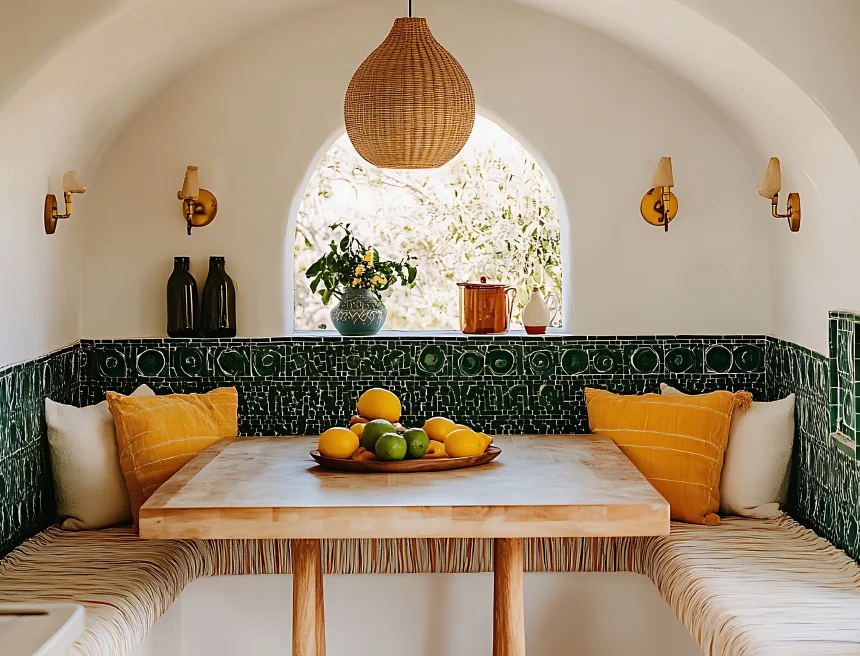
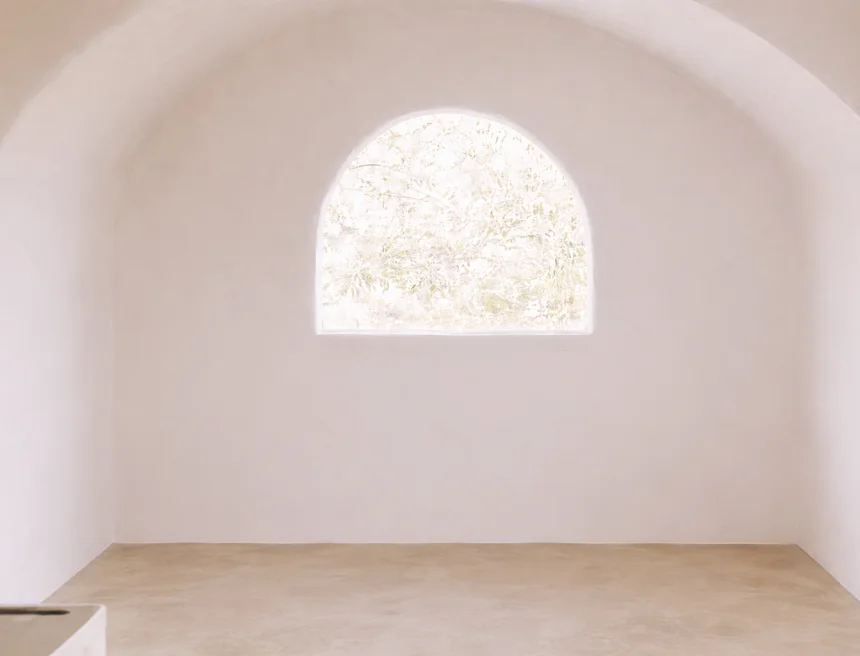
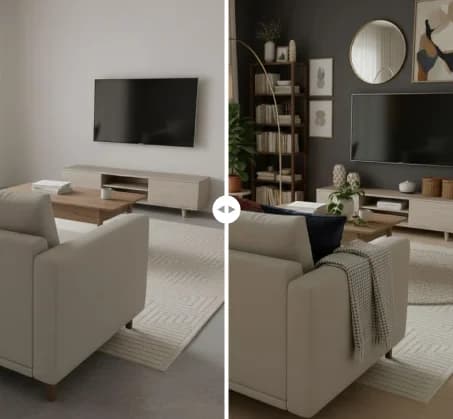
See how everyday rooms evolve into vibrant Moroccan-inspired spaces filled with color, texture, and handcrafted architectural character.
Try Moroccan Interior Style on Your Room - Free
See 50+ Moroccan Interior Examples. 100 Free Credits. Instant AI results (30 sec). No credit card needed.
Preview Moroccan StyleTable of Contents
- What Defines Authentic Moroccan Interiors?
- Atmosphere & Ideal Applications
- Why Moroccan Interiors Remain Relevant
- How RenoAI Visualizes Moroccan Interiors
- The Origins of Moroccan Design
- Core Characteristics
- Color Palette Guide
- Furniture & Decor Selection
- Step-by-Step Guide
- Common Mistakes to Avoid
- Transformations

Experience Moroccan Design in Your Own Space
Upload your room photo and instantly preview rich patterns, lantern lighting, layered textures, and authentic Moroccan atmosphere.
Preview Moroccan Style