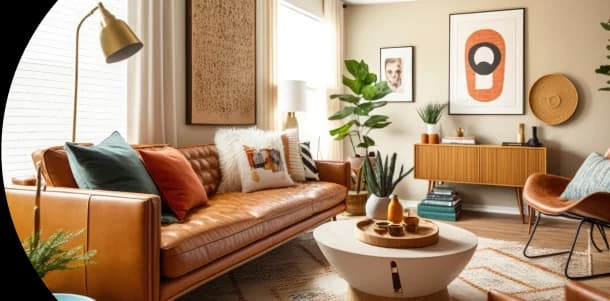
Neo-Industrial Interior Design: Raw Materials Meet Modern Precision
Neo-Industrial interior design blends raw industrial materials with modern precision. Concrete, steel, dark palettes, and natural wood create structured, urban spaces that balance rugged architecture with clean, contemporary finishes.
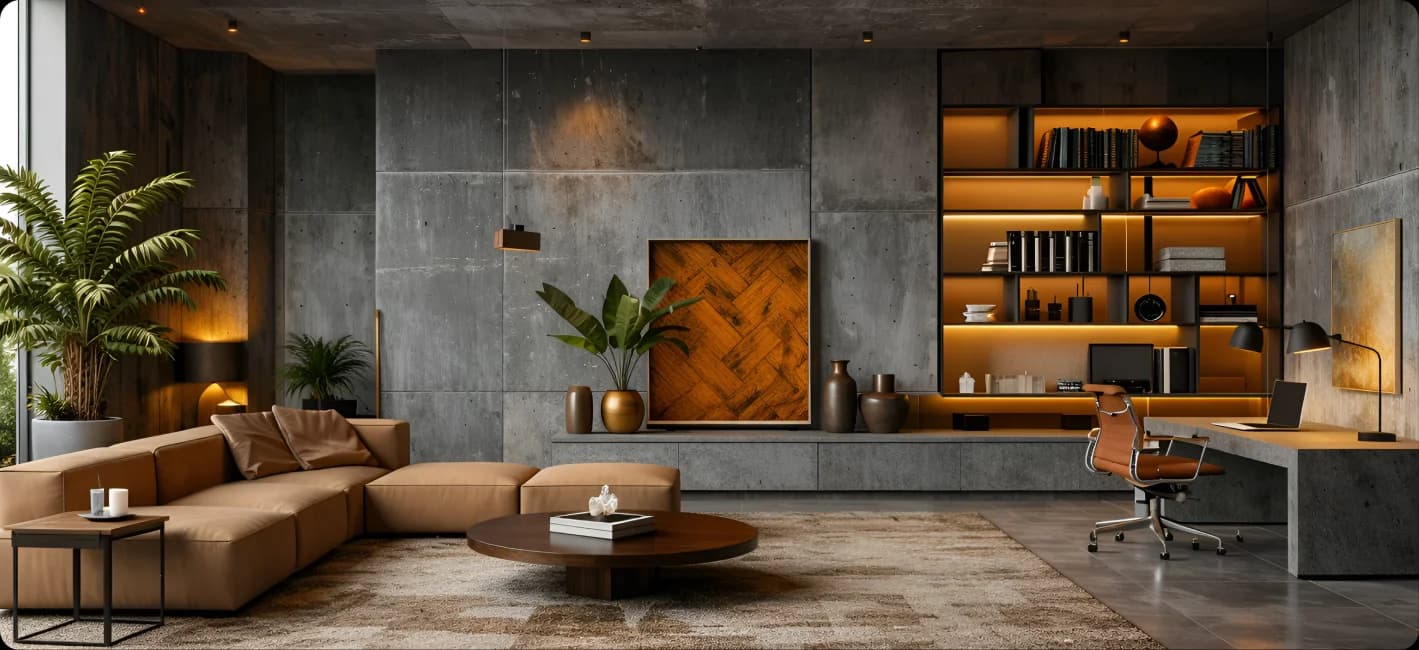
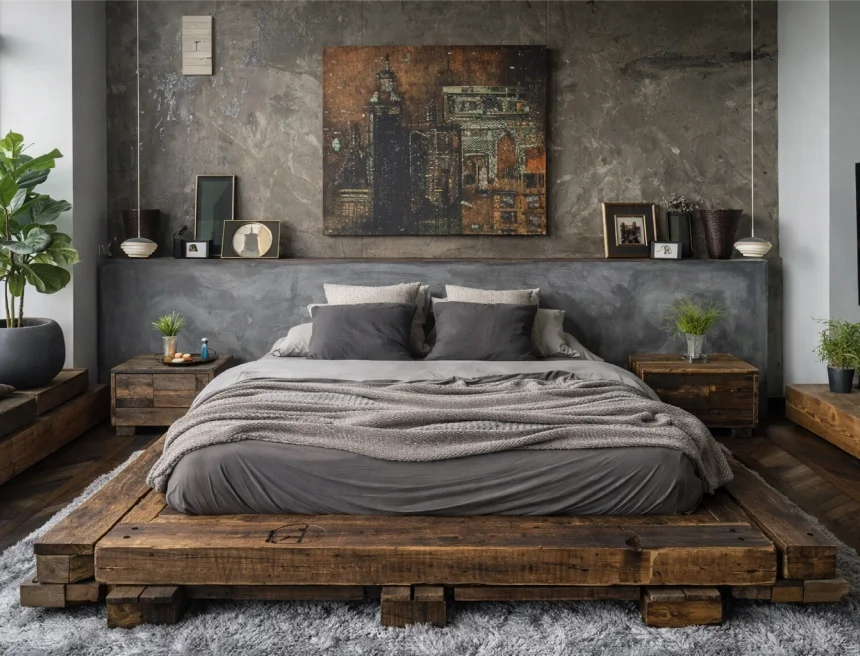
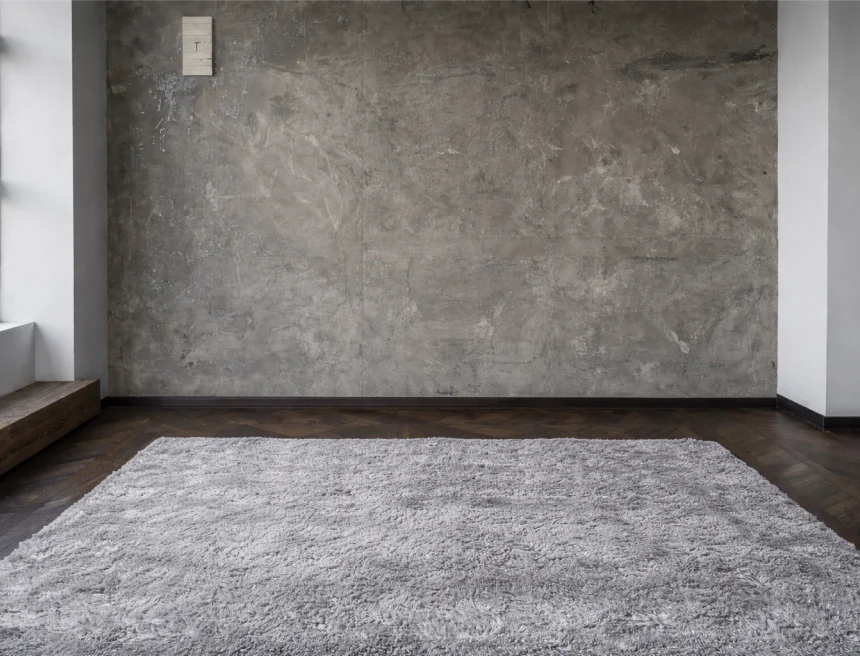
Transform a plain interior into a bold neo-industrial space defined by concrete textures, steel accents, and structured precision.
What Defines Neo-Industrial Interiors?
Architectural Expression
Structural elements such as beams, concrete surfaces, or brick walls become intentional design features.
Raw Materials with Modern Control
Concrete, steel, metal mesh, and reclaimed wood create strong material contrast.
Minimal but Bold Composition
Spaces remain uncluttered while maintaining a strong visual presence.
Industrial Palette
Dark neutrals such as charcoal, graphite, and steel gray dominate the color scheme.
Functional Design Approach
Furniture and lighting emphasize durability, structure, and simplicity.
Neo-Industrial interiors celebrate structure rather than decoration. The result is a space that feels modern, confident, and architecturally grounded while still remaining comfortable and liveable.
The Atmosphere Neo-Industrial Design Creates
Neo-Industrial interiors create a bold yet controlled atmosphere. The environment feels structured, urban, and visually grounded, where materials such as concrete, steel, and brick establish a strong architectural presence. Despite the raw materials, the design remains refined through clean layouts, intentional lighting, and modern furniture forms.
- ·Bold
- ·Urban
- ·Structured
- ·Modern
- ·Dramatic
- ·Architectural
Ideal Applications for Neo-Industrial Design
Neo-Industrial design works best in spaces that highlight architectural structure and material contrast. The style thrives in environments where concrete surfaces, metal elements, and open layouts can become visible design features rather than hidden construction details. Because of its strong urban character, Neo-Industrial interiors are especially suited to modern city environments and contemporary commercial spaces. Neo-Industrial style works particularly well in:
- ·Urban loft apartments
- ·Modern city homes
- ·Creative studios and workspaces
- ·Contemporary cafés and restaurants
- ·Retail stores and showrooms
- ·Industrial-inspired offices
High ceilings, large windows, and open floor plans enhance the impact of Neo-Industrial interiors. Even smaller spaces can adopt the style through metal accents, dark palettes, and structured furniture. When applied thoughtfully, Neo-Industrial design transforms interiors into bold, architectural environments that reflect modern urban living and contemporary design sophistication.
Why Neo-Industrial Design Continues to Define Modern Interiors?
Neo-Industrial design remains influential in 2026 because modern spaces increasingly celebrate architecture itself. Exposed materials, bold structure, and minimal decoration create interiors that feel authentic, durable, and visually powerful.
Key reasons behind its growing popularity
How RenoAI Visualizes Neo-Industrial Interiors Instantly
Transform any room into a bold Neo-Industrial environment using RenoAI’s AI-driven design visualization in a few guided steps.
RenoAI simplifies the process of experimenting with Neo-Industrial interiors by turning complex design ideas into clear visual previews.
By combining architectural textures, modern layouts, and material contrast, the platform helps homeowners, designers, and architects confidently explore bold industrial aesthetics before committing to physical design changes.
Click here to See the tutorialThe Origins of Neo-Industrial Design: From Factory Spaces to Modern Urban Living
Neo-Industrial design evolved from the industrial interiors of the late 20th century, when abandoned factories and warehouses were converted into urban lofts. These spaces revealed structural elements such as exposed brick, steel beams, ductwork, and concrete floors features that later became defining design characteristics.
As cities modernized, designers began refining the rugged industrial look to better suit contemporary homes and workplaces. Instead of leaving spaces purely raw, Neo-Industrial interiors introduced balance through cleaner layouts, controlled lighting, and carefully selected materials like matte metal, reclaimed wood, and polished concrete.
This evolution transformed industrial design from a purely functional aesthetic into a deliberate architectural style. The focus shifted toward celebrating structure while maintaining comfort and livability.
Today, Neo-Industrial interiors represent modern urban sophistication spaces where architectural materials, bold textures, and minimalist design work together to create strong, expressive environments.
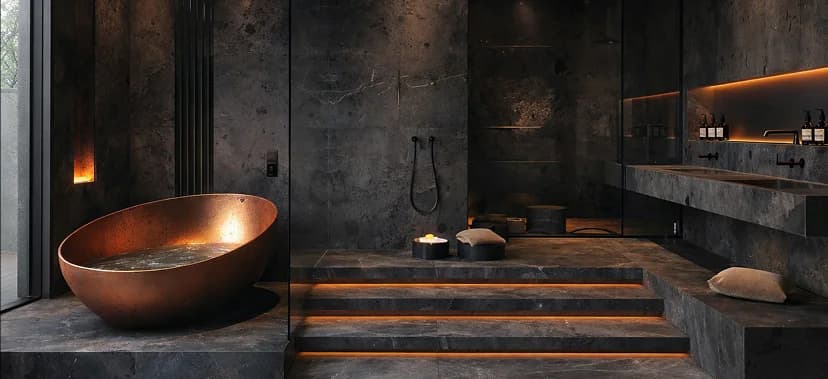
Core Characteristics of Neo-Industrial Interiors
Neo-Industrial interiors combine the rugged authenticity of industrial architecture with the precision of modern design. While traditional industrial spaces often felt raw and unfinished, Neo-Industrial interiors introduce refined balance, controlled material contrast, and carefully structured layouts.
The style focuses on celebrating architecture, materials, and structural elements rather than relying on decorative excess. Below are the defining characteristics that shape Neo-Industrial spaces.
Exposed Architectural Elements
Structural components become visible design features. Common elements include:
- ·Exposed concrete walls
- ·Brick surfaces
- ·Visible beams and columns
- ·Metal framework or pipes
These architectural details create the strong identity of Neo-Industrial interiors.
Industrial Material Palette
Material contrast is central to the style. Raw textures are balanced with modern finishes to avoid a harsh or unfinished appearance. Typical materials include:
- ·Concrete and cement finishes
- ·Matte black or steel metals
- ·Reclaimed or natural wood
- ·Industrial glass panels
Together these materials create a bold and visually layered environment.
Dark Neutral Color Scheme
Neo-Industrial interiors rely on deep, grounded tones that enhance the architectural character of the space. Common colors include:
- ·Charcoal gray
- ·Graphite
- ·Steel gray
- ·Matte black
- ·Deep brown wood tones
These shades add depth and emphasize structural elements.
Minimal but Structured Furniture
Furniture follows a functional, minimal design approach while complementing the industrial atmosphere. Common pieces include:
- ·Metal frame sofas
- ·Solid wood dining tables
- ·Industrial shelving units
- ·Leather or fabric lounge chairs
Clean silhouettes help maintain visual clarity within the strong material palette.
Statement Industrial Lighting
Lighting is an important visual feature in Neo-Industrial interiors. Fixtures often highlight metal finishes and geometric structure. Typical lighting includes:
- ·Black metal pendant lights
- ·Exposed bulb fixtures
- ·Industrial wall sconces
- ·Linear ceiling lighting
Lighting enhances both the atmosphere and the architectural focus of the space.
Neo-Industrial Color Palette Guide
Neo-Industrial interiors rely on strong, grounded color palettes that highlight architectural materials and urban character. Unlike bright or decorative styles, Neo-Industrial design uses deep neutrals, concrete tones, and metallic accents to emphasize structure and material contrast. The palette is designed to support the bold materials commonly found in industrial environments while maintaining a refined and modern aesthetic.
Structural Base Colors
Common base colors include:
- Soft Structural Whites
- Beige & Greige Foundations
- Grey Architectural Tones
- Natural Wood & Brown Tones
- Deep Structural Anchors
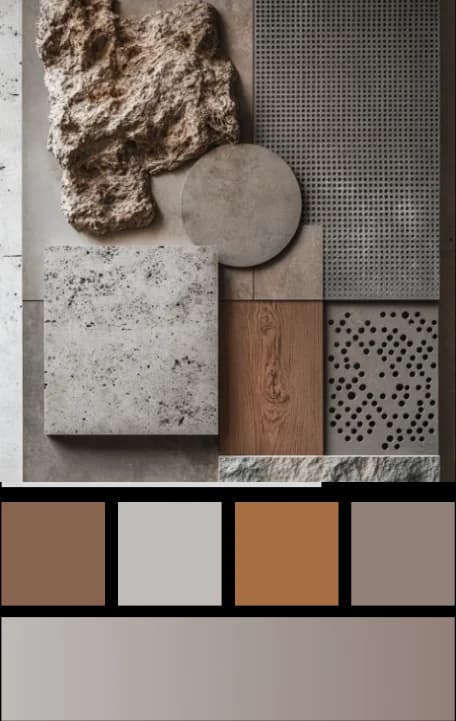
Material-Based Neutral Tones
Typical tones include:
- Stone & Concrete Tones
- Marble-Inspired Neutrals
- Wood-Based Tones
- Sand & Plaster Tones
- Metal Neutrals (Matte)
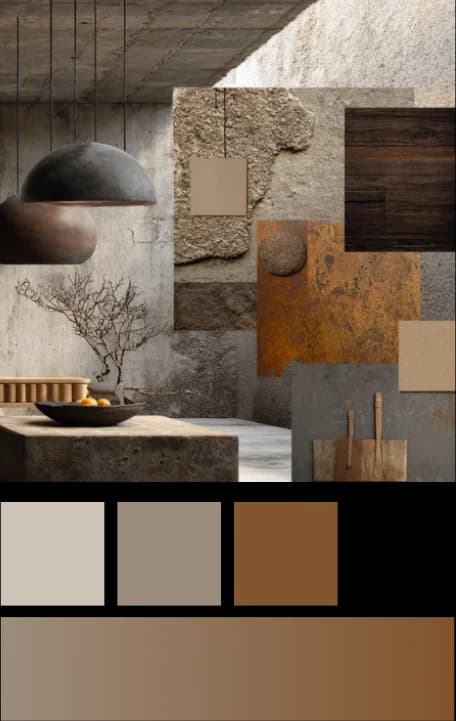
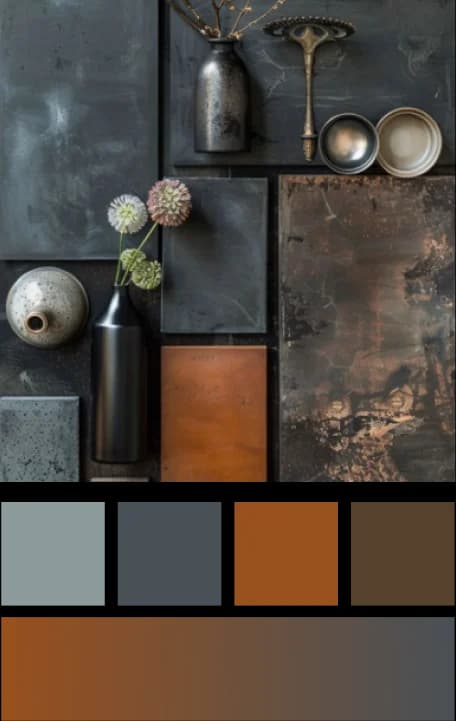
Industrial Accent Colors
Common accent shades include:
- Metal-Inspired Greys
- Concrete & Cement Tones
- Dark Industrial Blacks
- Rust & Oxide Tones
- Muted Industrial Blues & Greens
Furniture & Decor in Neo-Industrial Design
Furniture and décor in Neo-Industrial interiors emphasize strength, structure, and material honesty. Instead of ornate decoration, the design focuses on solid materials, clean forms, and functional pieces that complement the architectural character of the space.
Neo-Industrial furniture blends industrial durability with modern minimalism, creating interiors that feel bold yet refined.
Solid Industrial Furniture
Furniture pieces typically feature sturdy materials and simple geometric forms. The goal is to highlight craftsmanship and durability rather than decorative detail. Common furniture choices include:
- Metal frame sofas with neutral upholstery
- Solid wood dining tables with steel bases
- Industrial-style coffee tables
- Structured lounge chairs in leather or fabric
These pieces reinforce the strong visual identity of the interior.
Metal and Steel Elements
Metal accents play an important role in Neo-Industrial design. Steel, iron, and matte black finishes introduce structure and contrast. Typical elements include:
- Black metal shelving units
- Steel-framed cabinets
- Industrial bar stools
- Metal console tables
These features add an urban and architectural feel to the space.
Raw and Natural Material Contrast
To prevent the interior from feeling too heavy or cold, Neo-Industrial design often balances metal and concrete with natural textures. Examples include:
- Reclaimed wood surfaces
- Leather seating
- Fabric upholstery in neutral tones
- Woven or textured rugs
This contrast softens the industrial atmosphere while maintaining visual strength.
Minimal Decorative Accents
Decor in Neo-Industrial interiors remains simple and intentional. The focus is on architectural elements rather than decorative clutter. Common décor elements include:
- Abstract wall art
- Industrial-style clocks
- Sculptural metal objects
- Neutral ceramic pieces
Each item should support the architectural aesthetic without overpowering the space.
How to Create a Neo-Industrial Interior: Step-by-Step Guide?
Start with Raw Architectural Surfaces
Neo-Industrial interiors highlight structure. Begin by exposing or recreating industrial textures.
Exposed Concrete Walls
Concrete surfaces create an authentic industrial foundation.
Brick Feature Wall
Natural brick adds texture and urban character.
Cement Plaster Finish
A smooth concrete-style finish gives a modern industrial feel.
Metal Panel Accent
Steel or iron panels introduce bold architectural detail.
Design Insight: Industrial interiors look strongest when walls reveal material character instead of decorative finishes.
Establish a Dark Industrial Palette
Neo-Industrial design uses deep, grounded tones to highlight materials and structure.
Charcoal Painted Walls
Dark gray tones add depth and dramatic contrast.
Matte Black Accents
Black finishes define furniture and architectural lines.
Steel Gray Surfaces
Cool metallic tones reinforce the industrial character.
Warm Wood Contrast
Natural wood prevents the space from feeling overly cold.
Design Insight: Industrial palettes work best when dark tones balance natural materials.
Introduce Industrial Furniture
Strong furniture defines industrial interior structure.
- ·Steel frame sofas anchor seating
- ·Reclaimed wood tables add warmth
- ·Leather lounge chairs enhance texture
- ·Metal coffee tables emphasize structure
- ·Minimal silhouettes maintain visual balance
- ·Durable materials reinforce industrial character
Add Industrial Lighting Elements
Lighting highlights structure and material contrast.
- ·Black metal pendants create focal points
- ·Exposed filament bulbs reinforce industrial atmosphere
- ·Track lighting highlights architectural wall textures
- ·Cage sconces add rugged character
- ·Linear lights define ceiling geometry
- ·Warm bulbs soften heavy materials
Layer Industrial Materials
Material contrast defines Neo-Industrial interiors.
Concrete Surfaces
Concrete floors or walls add raw texture.
Metal Frames
Steel structures introduce strong visual lines.
Reclaimed Wood Panels
Wood balances the heaviness of metal.
Industrial Glass
Glass partitions keep the space open.
Strong industrial interiors combine raw materials with modern balance.
Keep Layouts Open and Structured
Open layouts emphasize architectural material expression.
- ·Spacious layouts highlight structural room elements
- ·Minimal furniture ensures visual clarity
- ·Wide pathways support functional movement
- ·Balanced placement strengthens spatial composition
- ·Avoid clutter disrupting architectural visibility
- ·Structural elements remain visually dominant
Introduce Industrial Storage Solutions
Functional storage complements industrial architectural aesthetics.
- ·Metal shelving displays everyday objects
- ·Pipe racks reinforce industrial authenticity
- ·Steel cabinets provide durable storage
- ·Wood shelves soften metal structures
- ·Open storage highlights industrial design
- ·Structured units maintain spatial order
Add Textures to Soften Interiors
Soft textures balance heavy industrial materials.
- ·Neutral rugs soften concrete flooring
- ·Linen fabrics introduce subtle warmth
- ·Leather cushions enhance tactile comfort
- ·Textured throws add layered softness
- ·Fabric upholstery balances steel furniture
- ·Natural fibers improve material contrast
Incorporate Industrial Decorative Accents
Minimal decor strengthens urban industrial character.
- ·Abstract metal art enhances walls
- ·Industrial clocks create bold focal points
- ·Sculptural objects emphasize geometric shapes
- ·Concrete decor reinforces raw material identity
- ·Architectural prints highlight urban influence
- ·Minimal decor maintains industrial clarity
Refine the Space for Modern Balance
Neo-Industrial interiors look strongest when carefully edited.
Limit Decorative Objects
Keep surfaces clean and visually controlled.
Maintain Material Consistency
Repeat metal and wood tones throughout the space.
Balance Dark and Light Surfaces
Prevent the room from feeling overly heavy.
Highlight Architectural Features
Let walls, beams, and materials remain the visual focus.
Neo-Industrial design works best when architecture leads the composition.
Common Mistakes in Neo-Industrial Interiors
Mistake #1: Overdecorating Spaces
Over decorating spaces weakens the strong architectural identity of industrial interiors.
Correction: Limit decorative objects and allow materials to define the space.
Mistake #2: Competing Materials
Using too many contrasting materials creates visual chaos in interiors.
Correction: Focus on two or three dominant materials for balanced composition.
Mistake #3: Excessive Dark Tones
Overusing dark tones can make interiors feel heavy and enclosed.
Correction: Introduce wood textures and lighter surfaces to balance darker elements.
Mistake #4: Cluttered Surfaces
Cluttering shelves and surfaces disrupts the clean industrial visual structure.
Correction: Keep surfaces minimal to maintain clarity and architectural focus.
Mistake #5: Ignoring Lighting
Ignoring lighting reduces depth and impact of industrial materials.
Correction: Use layered lighting to highlight textures and structural design features.
Mistake #6: Blocking Architectural Features
Blocking architectural features with large furniture hides industrial design elements.
Correction: Allow walls, beams, and textures to remain clearly visible.
Mistake #7: Mixing Unrelated Styles
Mixing unrelated styles weakens the strong identity of industrial interiors.
Correction: Maintain consistent modern industrial direction across furniture and materials.
Mistake #8: Overloading with Metal
Overloading interiors with metal makes spaces feel cold and uncomfortable.
Correction: Balance metal finishes with wood, fabrics, and softer textures.
50+ Neo-Industrial Interior Transformations
Explore dramatic before-and-after transformations where ordinary spaces evolve into bold Neo-Industrial interiors through raw textures, dark palettes, and modern architectural elements.
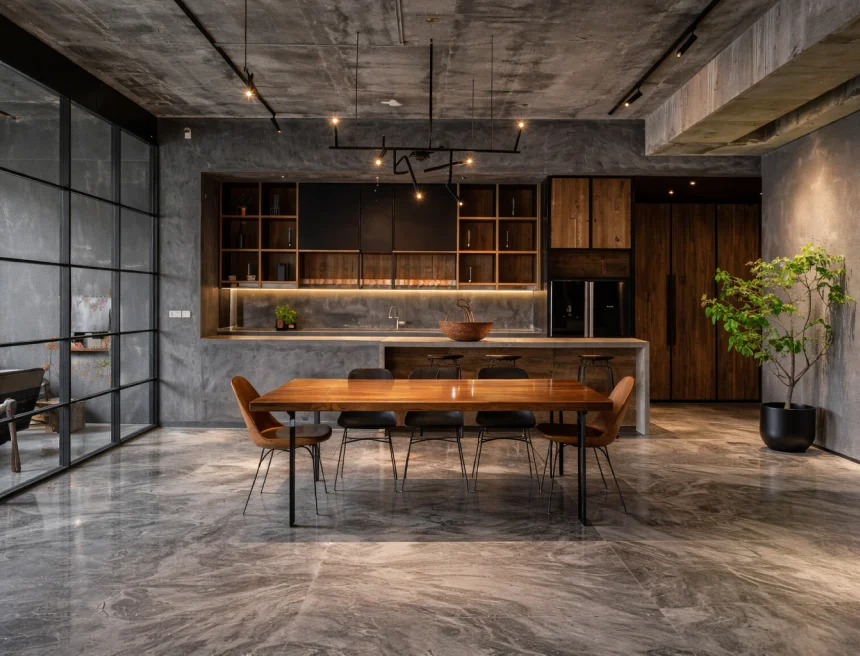
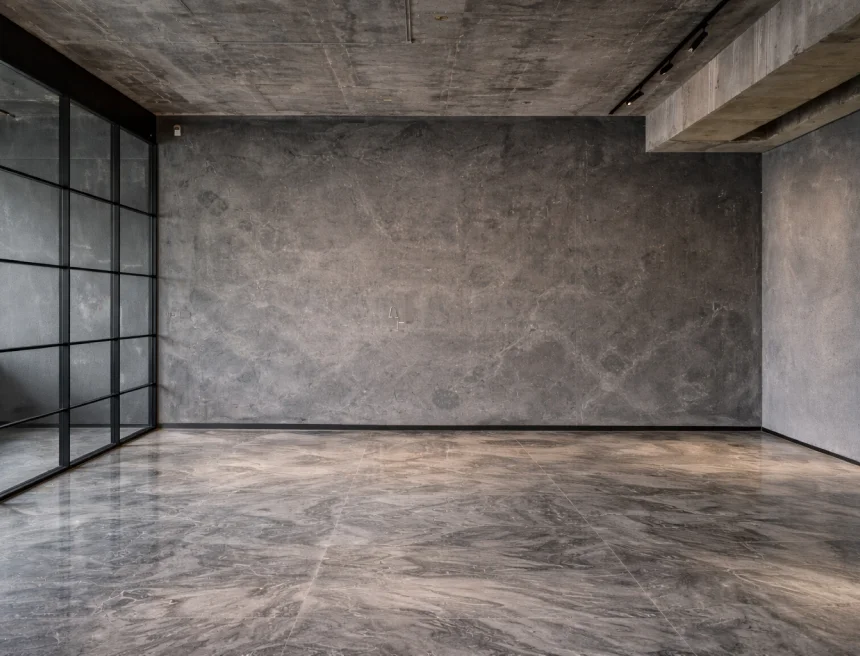
Behold the transformation of a plain space into an architectural statement with concrete, steel, and modern structure.
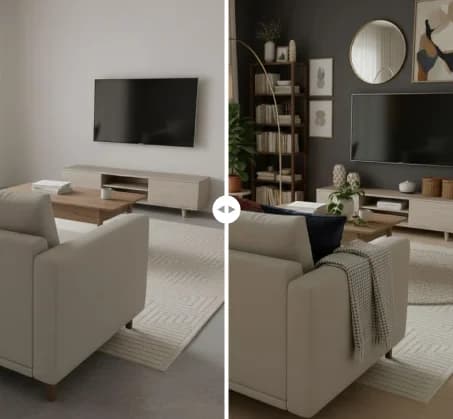
Try Neo-Industrial Style on Your Space- Free
Instant AI generation with 100 free credits. No credit card needed.
Start Free Now
See Neo-Industrial Design Transform Your Space
Upload your room photo and instantly visualize bold industrial textures, concrete surfaces, steel accents, and structured modern layouts.
Preview Neo-Industrial Now