Victorian Interior Design: Elegant Spaces Inspired by 19th-Century Grandeur
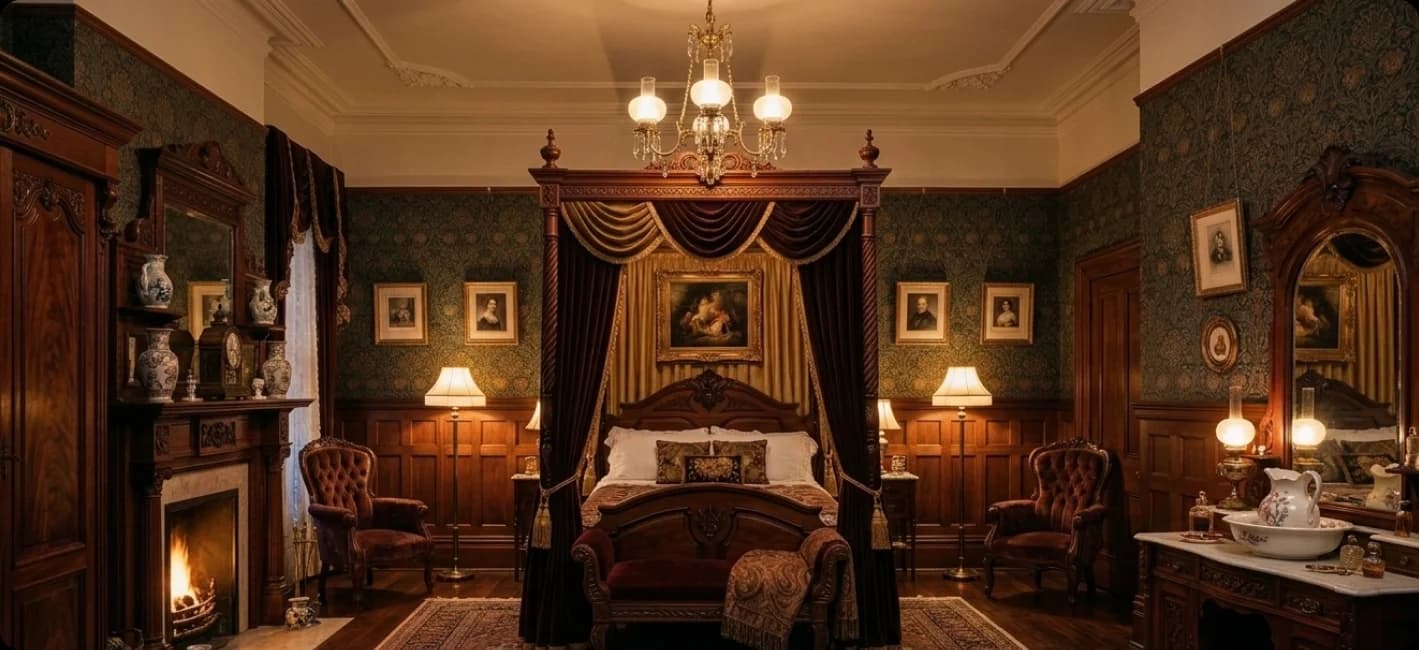
Victorian interior design features ornate detailing, rich fabrics, carved furniture, patterned wallpapers, and deep colors. Rooted in 19th-century elegance, it creates dramatic, layered spaces filled with character, craftsmanship, and timeless sophistication.
What Defines Authentic Victorian Interiors?
Victorian interior design features ornate detailing, rich fabrics, carved furniture, patterned wallpapers, and deep colors. Rooted in 19th-century elegance, it creates dramatic, layered spaces filled with character, craftsmanship, and timeless sophistication.
- ·Decorative Architecture: Crown moldings, ceiling medallions, wainscoting, and detailed trim add architectural sophistication.
- ·Rich Color Palettes: Deep hues such as burgundy, forest green, navy, and plum create warmth and drama.
- ·Ornate Furniture Craftsmanship: Carved wood furniture with curved legs, tufted upholstery, and antique finishes.
- ·Layered Textiles: Velvet, brocade, lace, and heavy drapery create texture and opulence.
- ·Curated Decorative Displays: Artwork, porcelain, mirrors, and antique accessories arranged with intention.
Victorian interiors feel immersive and expressive. The style celebrates craftsmanship, heritage, and the beauty of decorative detail, creating rooms that feel both grand and timeless.
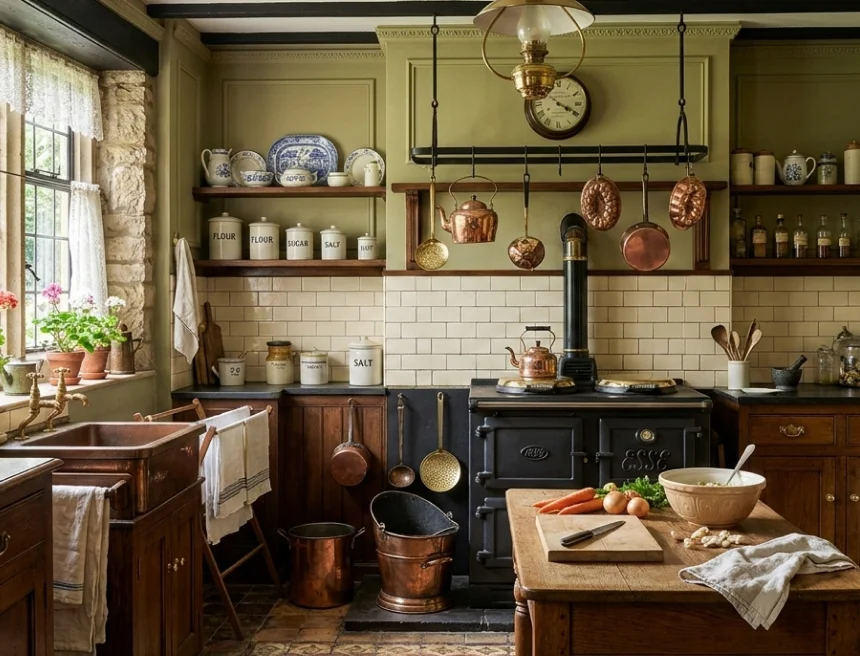
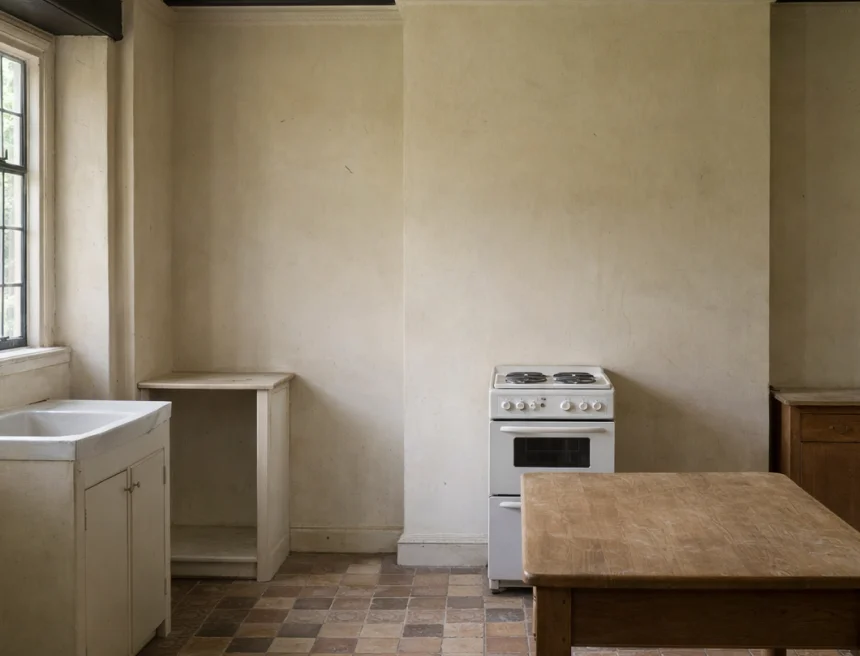
Witness the shift from a plain room to an elegant, detailed Victorian space.
The Atmosphere Victorian Design Creates
Victorian interiors create an atmosphere of elegance, drama, and historical richness. The style emphasizes depth, ornamentation, and visual storytelling, resulting in spaces that feel immersive and refined.
- ·Elegant
- ·Dramatic
- ·Luxurious
- ·Historic
- ·Decorative
Victorian design celebrates expressive interiors where beauty, heritage, and decorative artistry come together to create a timeless and captivating environment.
Ideal Applications for Victorian Design
Victorian design works best in spaces that can showcase architectural detail, decorative furniture, and layered textures. Its expressive nature makes it ideal for interiors where character and craftsmanship are central to the design. Victorian style is particularly well suited for:
- ·Heritage homes and period houses
- ·Spacious living rooms and parlors
- ·Formal dining rooms
- ·Elegant bedrooms and guest suites
- ·Libraries or reading rooms
- ·Boutique hotels and historic interiors
Why Victorian Interiors Still Captivate Modern Homes?
Victorian design continues to attract attention for its rich detailing and timeless craftsmanship. Ornate furniture, layered textiles, and decorative architecture complement contemporary spaces seeking warmth and character.
Two design directions commonly appear in modern Victorian interiors:
Both interpretations preserve the essence of Victorian style: expressive interiors built on craftsmanship, texture, and decorative depth.
How RenoAI Visualizes Victorian Interiors Instantly?
RenoAI makes it easy to explore rich Victorian interiors from a single room photo. Within seconds, the platform interprets your space and applies classic Victorian elements with realistic detail and proportion.
Victorian interiors are known for their richness, ornate detailing, and layered elegance. Visualizing this style traditionally required extensive design planning, furniture sourcing, and mood boards.
RenoAI simplifies that entire process by instantly applying Victorian architectural elements, decorative patterns, and classic furniture styles directly to your room image.
This allows designers, homeowners, and architects to explore dramatic color palettes, vintage furnishings, and intricate decorative features before committing to physical changes.
By generating multiple interpretations, RenoAI helps refine the perfect balance between historic charm and modern livability, making Victorian-inspired spaces easier to plan, visualize, and confidently bring to life.
The Origins of Victorian Design: An Era of Craftsmanship and Ornament
Victorian interiors developed during the reign of Queen Victoria in the nineteenth century, a time marked by industrial progress, cultural expansion, and a fascination with decorative artistry. Homes became spaces for displaying craftsmanship, personal collections, and refined taste.
Advancements in manufacturing allowed furniture, wallpapers, and textiles to become more elaborate and accessible. Interiors began to feature carved wood furniture, patterned fabrics, and richly detailed architectural trim.
Victorian design drew inspiration from Gothic, Renaissance, and global decorative traditions. Intricate motifs, floral patterns, and layered textures created interiors that felt expressive and visually immersive.
Architecture and interior decoration worked together, producing rooms defined by detailed moldings, decorative fireplaces, and ornate furnishings.
Today, Victorian design continues to inspire interiors through its celebration of craftsmanship, historical elegance, and richly layered decorative character.
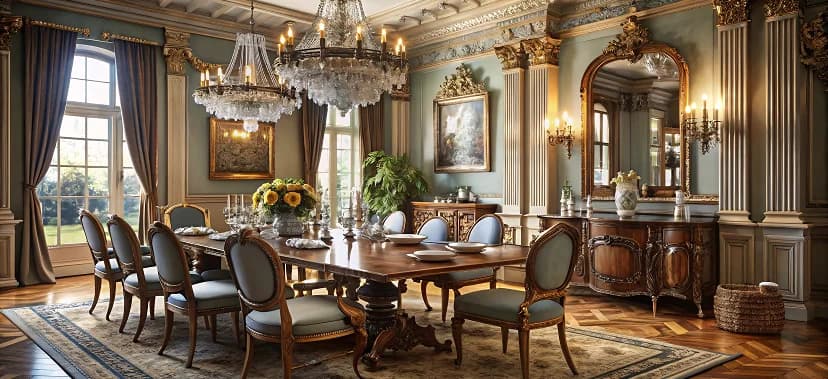
Core Characteristics of Victorian Interiors
Victorian interiors are defined by richness, decorative layering, and detailed craftsmanship. The style reflects a time when interiors were designed to showcase artistry, personal collections, and architectural elegance.
Below are the defining characteristics that shape authentic Victorian spaces.
Ornate Architectural Details
Victorian rooms feature decorative structure.
- ·Crown moldings and ceiling medallions
- ·Decorative wall panels and trim
- ·Detailed fireplaces
- ·Carved wood architectural elements
These features add depth and historic character.
Rich, Dramatic Color Palettes
Victorian interiors favor deep and expressive tones.
- ·Burgundy
- ·Forest green
- ·Navy blue
- ·Plum
- ·Deep chocolate brown
Dark hues create warmth and visual richness.
Elaborate Furniture Craftsmanship
Furniture pieces often act as focal elements.
- ·Carved wooden frames
- ·Curved legs and tufted upholstery
- ·Antique-inspired finishes
- ·Ornamental detailing
These pieces highlight craftsmanship and heritage.
Layered Textiles and Fabrics
Victorian interiors emphasize softness and decorative fabric.
- ·Velvet upholstery
- ·Brocade curtains
- ·Patterned cushions
- ·Lace or embroidered accents
Textiles add texture and opulence.
Decorative Accessories and Displays
Victorian rooms often include curated collections.
- ·Framed artwork and portraits
- ·Decorative mirrors
- ·Porcelain and ceramic pieces
- ·Vintage clocks and sculptures
Objects are arranged thoughtfully to enhance visual storytelling.
Victorian Color Palette Guide
Victorian interiors rely on rich, layered color palettes that create warmth and dramatic depth. Unlike modern minimal styles, Victorian spaces embrace saturated tones and strong contrasts that highlight architectural details and ornate furnishings. A successful Victorian palette balances deep base colors with warm accents and decorative highlights.
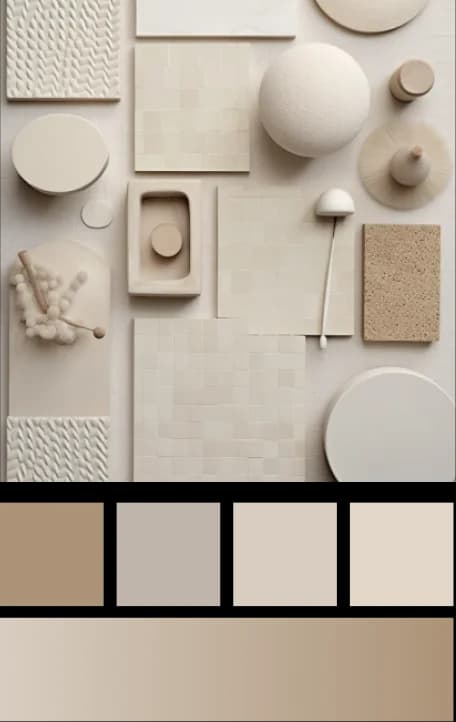
Base Colors
Foundation shades that define the room’s atmosphere:
- Whites & Off-Whites
- Beige & Cream Tones
- Greys & Greige
- Soft Browns
- Muted Natural Neutrals
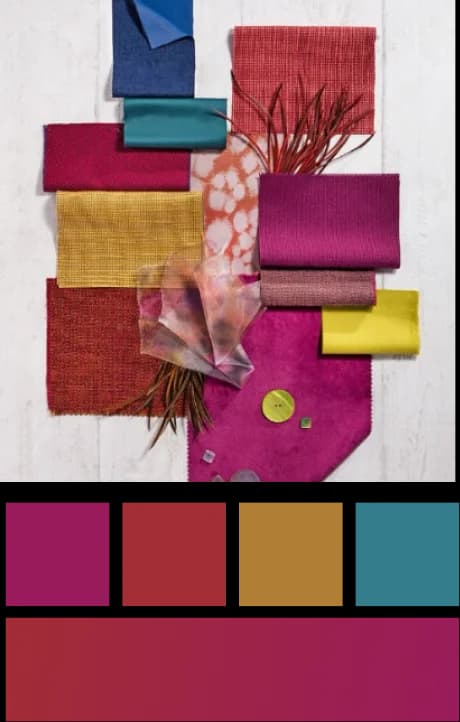
Accent Tones
Supporting colors used in textiles and décor:
- Bold Primary Accents
- Deep Accent Shades
- Warm Accent Tones
- Cool Accent Tones
- Soft Accent Colors
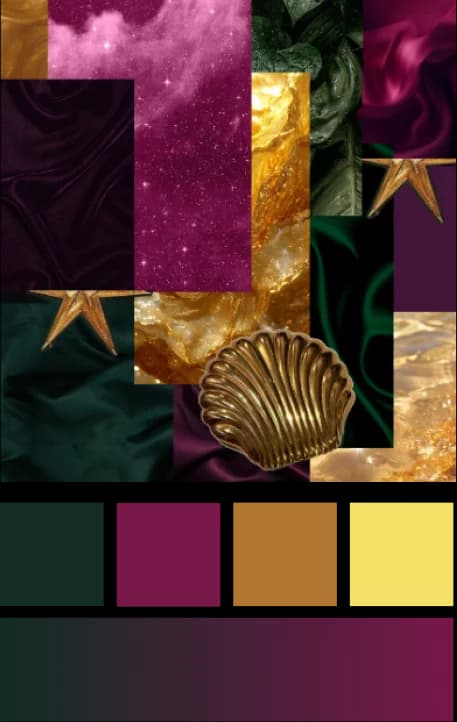
Highlight Colors
Smaller color accents that introduce vibrancy:
- Bright Highlight Tones
- Bold Contrast Highlights
- Jewel Tone Highlights
- Metallic Highlights
- Soft Highlight Colors
How to Choose Furniture and Decor for Victorian Interiors?
Furniture and décor in Victorian interiors emphasize craftsmanship, decorative richness, and historical character. Each piece often serves as both a functional object and a visual statement within the room.
Victorian styling favors ornate silhouettes, carved wood detailing, and luxurious fabrics that create depth and elegance.
Statement Furniture Pieces
Victorian furniture is typically elaborate and expressive.
- Tufted velvet sofas
- Carved wooden armchairs
- Ornate canopy beds
- Antique writing desks
These pieces often become the focal points of the room.
Dark Wood Craftsmanship
Furniture finishes highlight traditional woodworking.
- Mahogany
- Walnut
- Rosewood
- Dark stained oak
Detailed carving and curved legs enhance decorative richness.
Elegant Textile Layers
Textiles add softness and opulence.
- Velvet upholstery
- Brocade drapery
- Embroidered cushions
- Patterned rugs
Layering fabrics enhances the room’s warmth and texture.
Decorative Accessories
Victorian rooms often feature curated displays.
- Ornate mirrors
- Framed artwork or portraits
- Decorative clocks
- Porcelain figurines
Accessories add personality while reinforcing the historical aesthetic.
Lighting Elements
Lighting enhances atmosphere and decorative detail.
- Crystal chandeliers
- Antique-style table lamps
- Brass wall sconces
- Decorative candle holders
Warm lighting highlights textures and ornate finishes.
How to Create a Victorian Interior: Step-by-Step Guide
Establish a Rich Color Foundation
Victorian interiors begin with depth. Introduce strong, expressive wall treatments:
Patterned Wallpaper
Floral, damask, or heritage motifs in rich tones.
Deep Paint Colors
Burgundy, forest green, or navy for dramatic character.
Decorative Wall Panels
Wood paneling or wainscoting for architectural richness.
Fabric Wall Treatments
Textured coverings like brocade or embossed wallpaper.
Design Insight: Victorian interiors thrive on depth and warmth. A bold wall treatment instantly sets the historic tone.
Invest in Statement Furniture Pieces
Furniture in Victorian interiors should feel substantial and decorative.
Tufted Velvet Sofa
Curved frames and plush upholstery create an elegant focal point.
Carved Wooden Armchairs
Detailed craftsmanship with upholstered seats.
Ornate Writing Desk
Vintage desk pieces introduce classic character.
Canopy or Decorative Bed
Dramatic bedroom centerpiece with layered fabrics.
Design Insight: One or two strong Victorian furniture pieces define the room more effectively than filling it with many.
Introduce Decorative Architectural Details
Classic elements elevate Victorian interiors.
- ·Install detailed crown ceiling moldings
- ·Add decorative wall paneling sections
- ·Use ornate ceiling medallion accents
- ·Highlight fireplaces with carved mantels
- ·Include decorative door and trims
Layer Luxurious Fabrics Throughout Interiors
Rich textiles enhance Victorian elegance.
- ·Choose velvet upholstered seating pieces
- ·Install heavy patterned window drapes
- ·Add brocade or damask cushions
- ·Use decorative tassels and trims
- ·Place traditional patterned area rugs
Add Ornate Lighting
Lighting should feel elegant and decorative.
Crystal Chandeliers
Classic centerpiece lighting element.
Brass Wall Sconces
Traditional accent lighting for walls.
Vintage Table Lamps
Decorative bases with fabric shades.
Candle-Style Fixtures
Historic inspired lighting silhouettes.
Lighting enhances texture and highlights Victorian ornamentation throughout the room.
Display Curated Decorative Victorian Accessories
Accessories highlight Victorian artistic character.
- ·Hang ornate framed portrait artworks
- ·Place decorative porcelain figurine collections
- ·Use antique styled mantel clocks
- ·Add large gilded wall mirrors
- ·Display classic candle holders’ pairs
Balance Ornamentation with Structured Layouts
Symmetry keeps Victorian rooms composed.
- ·Arrange seating in symmetrical layouts
- ·Pair matching side tables evenly
- ·Center sofas facing fireplace focalpoint
- ·Hang artwork in balanced groupings
- ·Maintain consistent furniture spacing throughout
Incorporate Antique and Vintage Elements
Vintage pieces strengthen Victorian authenticity.
- ·Add antique wooden accent furniture
- ·Display vintage mirrors decorative frames
- ·Use decorative storage trunks pieces
- ·Include classic bound book collections
- ·Place heirloom decorative display objects
Create Defined Functional Room Zones
Victorian rooms feature purposeful areas.
- ·Design comfortable reading corner area
- ·Arrange formal conversation seating groups
- ·Highlight decorative fireplace sitting zone
- ·Add writing desk study space
- ·Create elegant tea serving corner
Edit for Elegant Balance
Victorian interiors are rich but should remain composed.
Limit Excess Clutter
Choose meaningful decorative pieces.
Maintain Clear Surfaces
Avoid overcrowding tabletops.
Balance Dark Colors
Use lighter fabrics to soften heavy tones.
Maintain Visual Harmony
Ensure colors and textures complement each other.
Victorian elegance comes from thoughtful layering, not overwhelming decoration.
Common Mistakes in Victorian Interiors
Mistake #1: Overcrowding the Room
Too many decorative items can make the space feel cluttered.
Correction: Select fewer statement pieces and allow furniture and décor to breathe.
Mistake #2: Mixing Too Many Patterns
Victorian design uses patterns, but excessive combinations create visual chaos.
Correction: Choose one dominant pattern and support it with subtle textures.
Mistake #3: Using Only Dark Colors
While Victorian palettes are rich, an entirely dark room can feel oppressive.
Correction: Balance deep hues with lighter fabrics, trims, and accessories.
Mistake #4: Ignoring Architectural Details
Plain walls without decorative elements weaken the Victorian aesthetic.
Correction: Incorporate moldings, trim work, or patterned wallpaper to add character.
Mistake #5: Choosing Modern Minimal Furniture
Simple modern pieces clash with Victorian decorative richness.
Correction: Select furniture with carved details, curved forms, or classic silhouettes.
Mistake #6: Poor Lighting
Harsh lighting removes the warmth Victorian interiors require.
Correction: Use layered lighting such as chandeliers, lamps, and sconces.
Mistake #7: Lack of Cohesion
Random antiques and décor can make the room feel disorganized.
Correction: Maintain consistent colors, materials, and decorative themes throughout the space.
Victorian interiors succeed when richness is balanced with thoughtful composition. The goal is to create a layered environment that feels elegant, harmonious, and historically inspired.
50+ Victorian Interior Transformations
Explore dramatic room makeovers where ordinary spaces evolve into richly detailed Victorian interiors filled with ornate furniture, layered textiles, and timeless architectural charm.
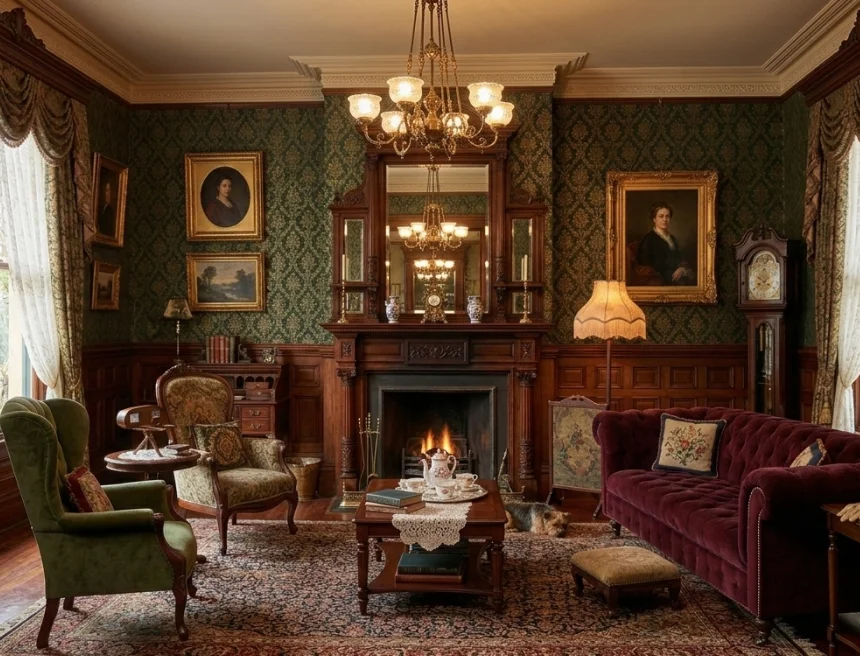
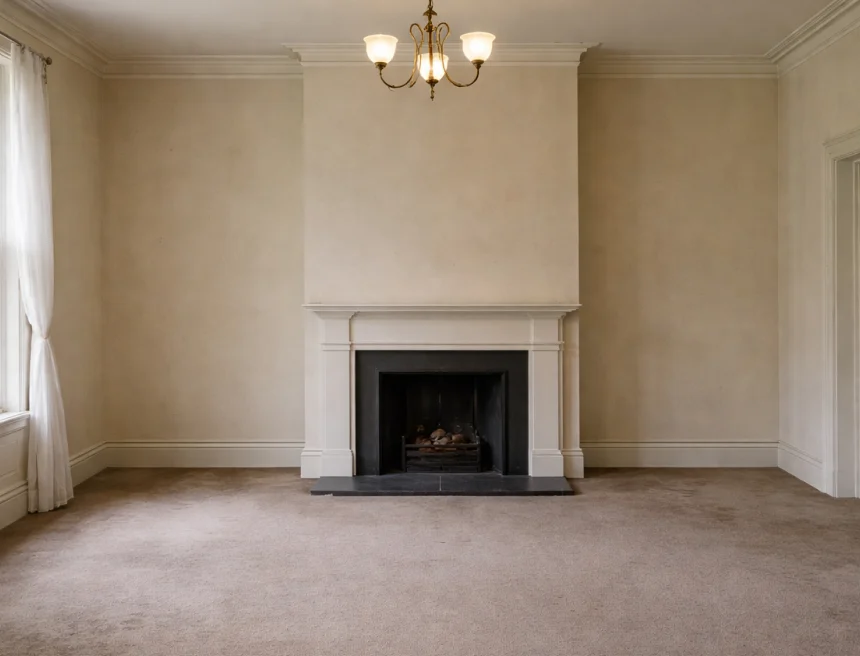
A demonstration of how ornate detailing and rich fabrics transform a plain room into a timeless Victorian space.
Try Victorian Design Style on Your Space - Free
Instant AI generation with 100 free credits. No credit card needed.
Start Free NowTable of Contents
- What Defines Authentic Victorian Interiors?
- The Atmosphere Victorian Design Creates
- Ideal Applications for Victorian Design
- Why Victorian Interiors Still Captivate Modern Homes?
- How RenoAI Visualizes Victorian Interiors Instantly?
- The Origins of Victorian Design: An Era of Craftsmanship and Ornament
- Core Characteristics of Victorian Interiors
- Victorian Color Palette Guide
- How to Choose Furniture and Decor for Victorian Interiors?
- How to Create a Victorian Interior: Step-by-Step Guide
- Common Mistakes in Victorian Interiors
- 50+ Victorian Interior Transformations

Step into Victorian Elegance with RenoAI
Upload your room photo and instantly visualize intricate moldings, vintage furnishings, and dramatic color palettes before beginning your design transformation.
Preview Victorian Design