Shabby Chic Interior Design: Vintage Charm with Soft Elegance
Shabby Chic interior design blends vintage charm with soft elegance, featuring distressed furniture, pastel tones, floral patterns, and antique décor to create cozy, romantic spaces that celebrate the beauty of gentle wear.
What Defines Authentic Shabby Chic Interiors?
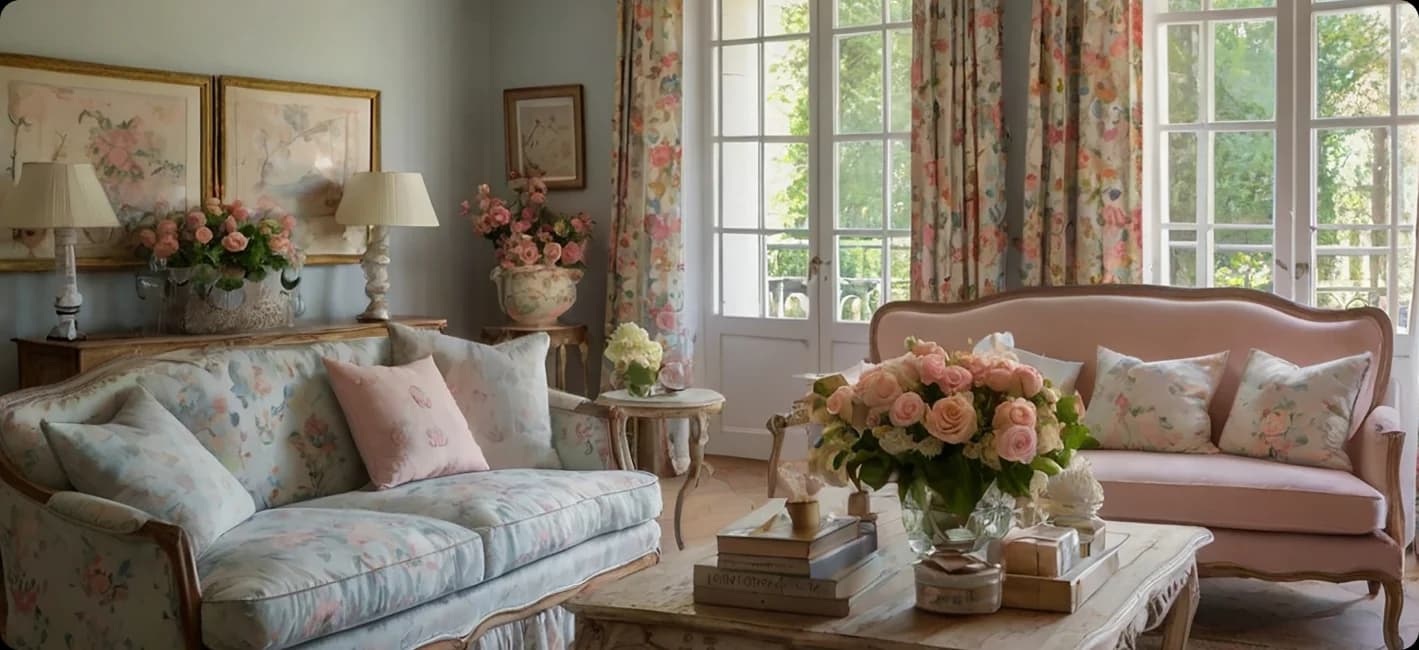
Shabby Chic interior design blends vintage charm with soft elegance, featuring distressed furniture, pastel tones, floral patterns, and antique décor to create cozy, romantic spaces that celebrate the beauty of gentle wear.
- ·Distressed & Weathered Furniture: Painted furniture with worn edges, chipped finishes, or whitewashed surfaces adds vintage charm.
- ·Soft Pastel Color Palette: Blush pink, powder blue, mint green, and creamy whites establish a gentle and romantic atmosphere.
- ·Floral & Vintage Patterns: Delicate florals, lace details, and classic cottage prints create visual softness.
- ·Layered Textures: Linen, cotton, lace, and crochet fabrics introduce comfort and warmth.
- ·Antique Decorative Elements: Vintage mirrors, ornate frames, ceramic pieces, and aged metal accents complete the aesthetic.
Shabby Chic interiors feel relaxed and welcoming while maintaining a graceful vintage elegance that reflects history, comfort, and soft femininity.
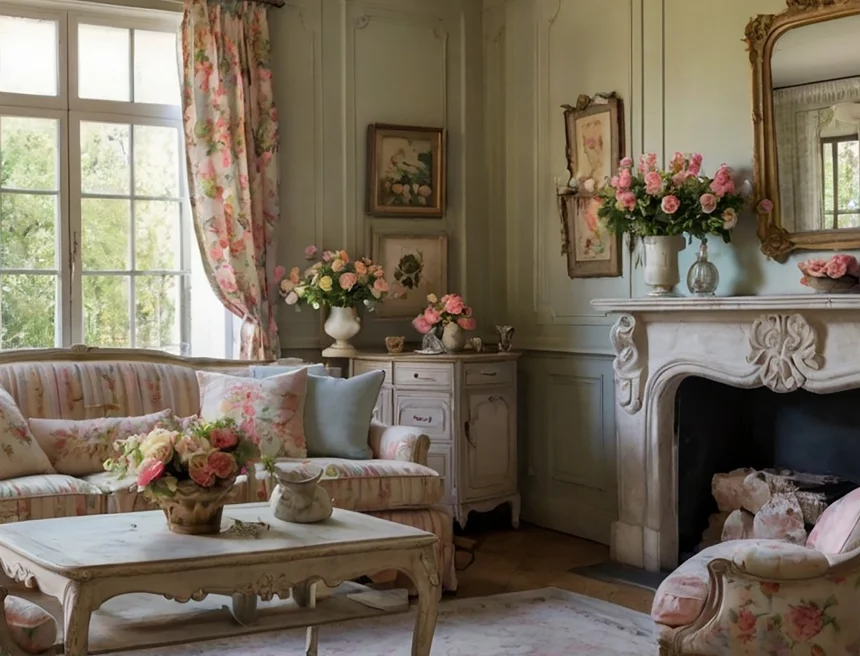
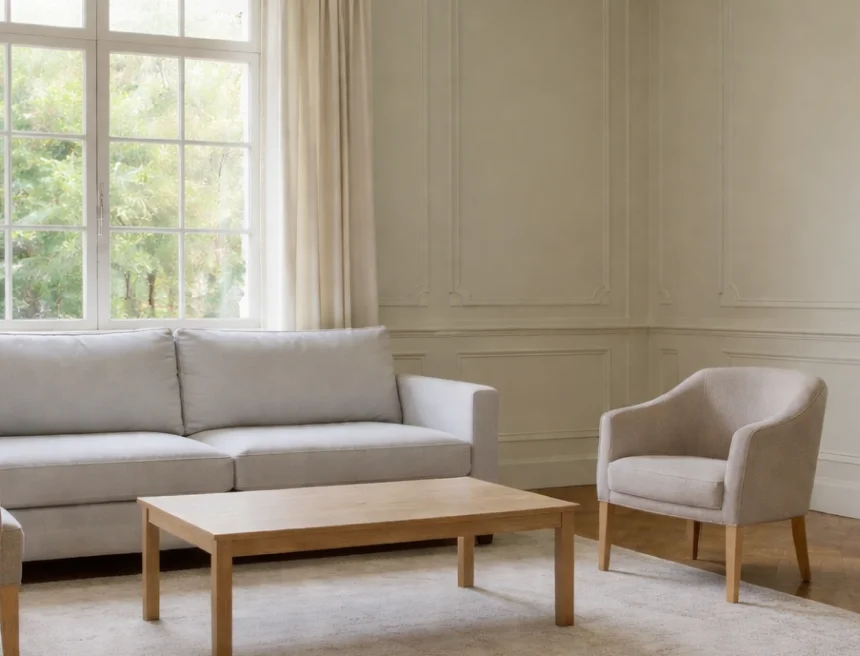
Light pastel colors and weathered finishes bring a sense of calm and familiarity. Floral fabrics, lace accents, and antique décor elements introduce graceful character while maintaining comfort.
The Atmosphere Shabby Chic Design Creates
Shabby Chic interiors create a soft, romantic, and comforting atmosphere. The style blends vintage elegance with relaxed cottage charm, resulting in spaces that feel warm, inviting, and gently nostalgic. Rather than bold contrasts or dramatic statements, Shabby Chic relies on softness, texture, and delicate details to establish character.
- ·Romantic
- ·Cozy
- ·Vintage-Inspired
- ·Soft
- ·Charming
Furniture layouts feel relaxed rather than structured, allowing the space to feel personal and welcoming. The overall result is an interior that reflects warmth, nostalgia, and timeless cottage elegance.
Ideal Applications for Shabby Chic Design
Shabby Chic design works beautifully in spaces that benefit from warmth, softness, and vintage charm. Its delicate palette and nostalgic aesthetic create interiors that feel welcoming and comfortable. The style is especially suited for environments where relaxed elegance and personal character are desired. Spaces Where Shabby Chic Works Best:
- ·Cottage homes and countryside residences
- ·Bedrooms and guest rooms
- ·Living rooms with vintage décor
- ·Boutique cafés and tearoom interiors
- ·Small retail stores and lifestyle boutiques
- ·Cozy reading corners and personal studios
Rooms with natural light enhance the pastel tones and soft textures that define Shabby Chic interiors. Antique furniture, floral fabrics, and weathered finishes appear especially beautiful in bright, airy spaces. When applied thoughtfully, Shabby Chic design transforms interiors into graceful environments that feel both personal and timeless.
Why Shabby Chic Interiors Remain Relevant in 2026?
Shabby Chic continues to appeal in modern homes because it balances vintage character with comfortable living. Soft palettes, distressed finishes, and layered fabrics complement contemporary interiors that value warmth and personality over rigid minimalism. The style adapts easily to today’s design preferences, where natural materials and relaxed aesthetics are increasingly favored. Weathered wood, linen textiles, and delicate patterns introduce softness that contrasts beautifully with modern architecture.
Two popular directions shape Shabby Chic interiors today:
Both interpretations preserve the essence of the style a gentle blend of nostalgia, comfort, and handcrafted charm that brings warmth and individuality to contemporary spaces.
How RenoAI Visualizes Shabby Chic Interiors Instantly?
Transform any ordinary room into a charming vintage-inspired space in just a few simple steps with RenoAI.
Shabby Chic interiors celebrate the beauty of vintage charm and gentle imperfection. The style blends distressed furniture, soft pastel tones, and delicate textiles to create spaces that feel warm and welcoming.
Antique-inspired pieces, floral patterns, and whitewashed finishes introduce character while maintaining a light and airy atmosphere. Rather than appearing overly polished, Shabby Chic interiors embrace softness, history, and handcrafted details.
Each element contributes to a relaxed, lived-in aesthetic that feels both romantic and comforting. When combined thoughtfully, these design elements create interiors that reflect timeless elegance while preserving the cozy charm of classic countryside homes.
The overall goal is a space that feels personal, romantic, and inviting—where history and comfort are beautifully shared.
The Origins of Shabby Chic: A Style Inspired by Vintage Elegance
Shabby Chic developed from the charm of English countryside homes, where furniture naturally aged over time and interiors were shaped by comfort rather than perfection. Antique pieces, soft textiles, and weathered finishes gradually became defining features of the aesthetic.
The style gained wider recognition in the late twentieth century as designers began celebrating distressed furniture and vintage décor as intentional design choices rather than signs of wear. Light pastel palettes, floral prints, and whitewashed finishes helped establish the signature romantic look.
Influences from cottage interiors, French country homes, and traditional European décor shaped the evolution of Shabby Chic. Delicate fabrics, carved wood furniture, and antique accessories contributed to interiors that felt graceful yet relaxed.
Today, Shabby Chic remains popular for its ability to create welcoming environments filled with softness, nostalgia, and timeless decorative character.
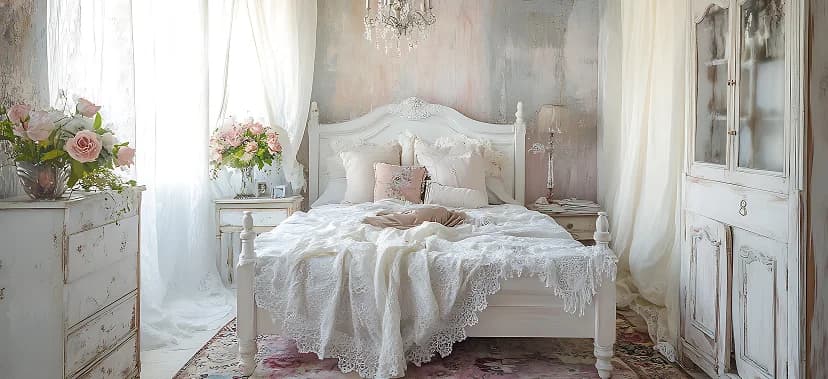
Core Characteristics of Shabby Chic Interiors
Shabby Chic interiors are defined by vintage charm, soft color palettes, and gently aged materials. The style blends antique-inspired furniture with delicate textures to create spaces that feel warm, romantic, and welcoming. Below are the defining characteristics that shape authentic Shabby Chic interiors.
1. Distressed & Weathered Furniture
Furniture is intentionally aged to create character.
- ·Whitewashed or pastel-painted wood
- ·Chipped or gently worn finishes
- ·Vintage cabinets and dressers
- ·Carved wooden details
These finishes create the signature timeworn elegance of the style.
2. Soft Pastel Color Palettes
Shabby Chic relies on light, romantic tones.
- ·Cream and ivory
- ·Blush pink
- ·Powder blue
- ·Mint green
- ·Soft lavender
Pastels maintain brightness while reinforcing the delicate aesthetic.
3. Floral & Vintage Patterns
Patterns add softness and nostalgic charm.
- ·Floral upholstery
- ·Vintage wallpaper prints
- ·Cottage-style fabrics
- ·Subtle botanical motifs
These elements bring gentle visual interest without overpowering the space.
4. Layered Fabrics & Textures
Textiles play a major role in creating comfort.
- ·Linen and cotton upholstery
- ·Lace and crochet details
- ·Soft quilts and throws
- ·Embroidered cushions
Layering fabrics enhances warmth and softness.
5. Antique Decorative Elements
Accessories reinforce the vintage identity.
- ·Ornate mirrors and frames
- ·Vintage lamps and chandeliers
- ·Ceramic pitchers and vases
- ·Distressed picture frames
Decor pieces often appear collected over time rather than newly purchased.
Shabby Chic Color Palette Guide
Shabby Chic interiors rely on soft, faded tones that reflect warmth, nostalgia, and gentle elegance. The palette is inspired by vintage fabrics, antique furniture finishes, and the calming colors found in countryside homes. Rather than bold contrasts, the style focuses on light, romantic hues layered with creamy neutrals.
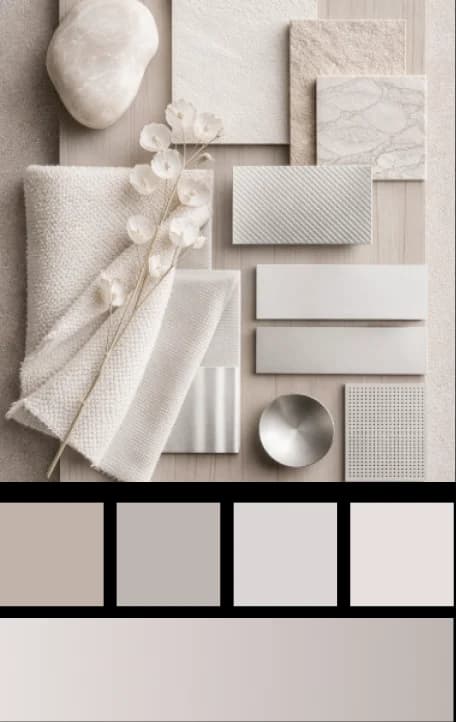
Soft Neutral Foundations
These tones create the calm base of Shabby Chic interiors.
- Soft Whites
- Cream & Ivory Tones
- Light Beige & Sand
- Pale Greys
- Greige & Taupe (Light)
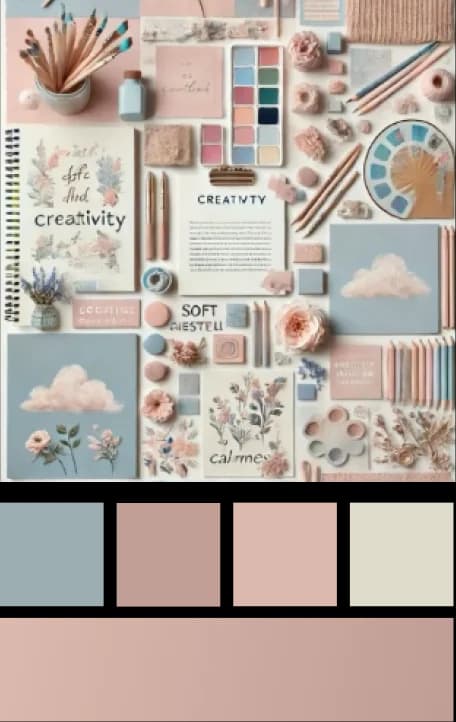
Pastel Accent Colors
Pastels introduce the signature romantic charm of the style.
- Soft Pinks
- Light Blues
- Soft Greens
- Pale Yellows
- Lavender & Soft Purples
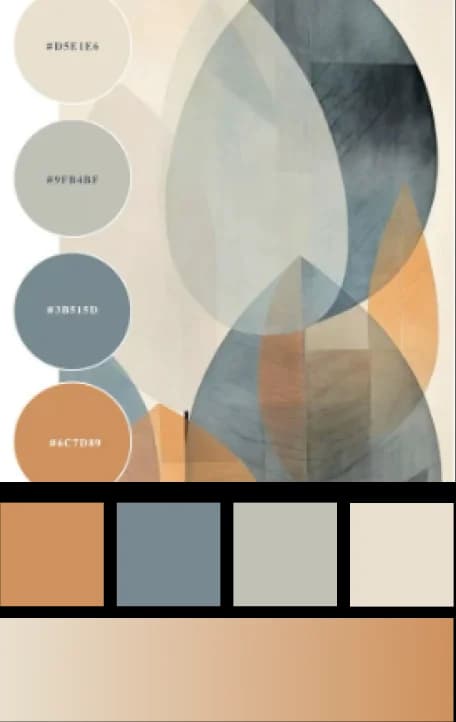
Natural & Vintage Undertones
To balance softness, subtle natural tones are introduced.
- Warm Earth Undertones
- Aged Yellow & Ochre Tones
- Muted Green Undertones
- Weathered Blue Undertones
- Soft Warm Greys
Furniture & Decor in Shabby Chic Design
Furniture and décor are central to the identity of Shabby Chic interiors. The style celebrates vintage pieces, distressed finishes, and decorative elements that feel collected over time. Rather than perfectly matched sets, Shabby Chic interiors combine antique-inspired furniture with soft fabrics and romantic details.
Distressed Wooden Furniture
Furniture often appears aged or restored.
- Whitewashed dressers
- Distressed side tables
- Vintage cabinets
- Painted wooden chairs
The worn finish creates the signature timeworn elegance.
Upholstered Vintage Seating
Comfortable seating enhances the cozy atmosphere.
- Floral fabric sofas
- Linen armchairs
- Slipcovered seating
- Tufted benches
Soft fabrics contribute to the relaxed, inviting feel.
Decorative Vintage Accents
Accessories reinforce the nostalgic character.
- Ornate mirrors
- Antique picture frames
- Ceramic pitchers and vases
- Vintage lamps and chandeliers
These details add personality and visual interest.
Layered Textiles
Textiles create softness and warmth.
- Lace curtains
- Embroidered cushions
- Quilted throws
- Crochet table runners
Layered fabrics are essential to achieving the romantic Shabby Chic look.
How to Create a Shabby Chic Interior: Step-by-Step Guide
Design a warm, romantic space with the timeless charm of Shabby Chic interiors using these practical steps.
Start with a Soft Neutral Foundation
Shabby Chic interiors begin with light, calming colors that create an airy and romantic base.
Warm White Walls
Soft white tones brighten the room and highlight vintage details.
Cream or Ivory Paint
Gentle neutrals create a cozy cottage atmosphere.
Pale Wood Flooring
Light wood or whitewashed floors enhance softness and warmth.
Subtle Wall Textures
Light paneling or vintage wallpaper adds delicate character.
Design Insight:
A soft neutral base allows pastel accents and vintage furniture to stand out gracefully.
Introduce Distressed Vintage Furniture
Furniture with aged finishes defines the Shabby Chic aesthetic.
Whitewashed Dressers
Distressed paint and carved details create authentic charm.
Vintage Wooden Tables
Softly worn surfaces add character and warmth.
Painted Cabinets
Pastel-painted furniture enhances the romantic feel.
Antique Bed Frames
Decorative metal or carved wooden headboards add elegance.
Design Insight:
Imperfections are part of the beauty. Slight wear and distressed finishes create the signature Shabby Chic look.
Layer Soft Pastel Accents
Create gentle romantic color balance.
- ·Blush pink decorative accents
- ·Powder blue textile layers
- ·Mint green painted furniture
- ·Soft lavender decorative details
- ·Pastel cushions for warmth
Pastel tones are key to the romantic and delicate aesthetic.
Add Floral & Vintage Patterns
Introduce delicate nostalgic visual interest.
- ·Floral upholstery fabric patterns
- ·Vintage inspired wallpaper prints
- ·Botanical cushion cover designs
- ·Cottage style curtain patterns
- ·Subtle antique textile motifs
These patterns add charm without overwhelming the soft palette.
Introduce Romantic Decorative Elements
Decorative pieces reinforce the vintage character of the room.
Ornate Mirrors
Decorative frames add elegance and visual interest.
Antique Picture Frames
Vintage frames enhance nostalgic charm.
Ceramic Pitchers & Vases
Classic pottery creates a cottage-inspired feel.
Vintage Lamps
Soft lighting fixtures add warmth and softness.
Decor should feel collected over time rather than newly purchased.
Layer Soft Fabrics & Textures
Enhance warmth through layered textiles.
- ·Linen upholstered seating elements
- ·Lace curtain window treatments
- ·Quilted throw blanket layers
- ·Embroidered decorative pillow covers
- ·Soft cotton fabric upholstery
Layering textiles creates a cozy and inviting atmosphere.
Keep Furniture Layout Relaxed
Maintain open comfortable spatial flow.
- ·Arrange furniture for comfort
- ·Allow natural walking paths
- ·Avoid overcrowding furniture placement
- ·Create cozy reading corners
- ·Maintain airy visual balance
A relaxed layout contributes to the welcoming and lived-in feel.
Add Antique Inspired Accessories
Decor elements enhance vintage character.
- ·Ornate framed wall mirrors
- ·Vintage decorative table clocks
- ·Ceramic pitchers decorative accents
- ·Antique style picture frames
- ·Classic decorative tray displays
These small details complete the nostalgic aesthetic.
Bring Fresh Greenery Indoors
Add life through natural greenery.
- ·Fresh cottage garden flowers
- ·Potted leafy indoor plants
- ·Small herb planter accents
- ·Vintage style ceramic planters
- ·Soft greenery shelf displays
Natural elements add freshness and a touch of organic beauty.
Edit for Soft Elegance
The final step ensures the space feels balanced and cohesive.
Remove Excess Decor
Too many accessories reduce elegance.
Balance Pastels with Neutrals
Ensure the palette remains soft and harmonious.
Highlight Vintage Pieces
Let statement furniture stand out.
Maintain Airiness
Keep surfaces clean and uncluttered.
Shabby Chic interiors succeed when softness, simplicity, and vintage charm remain the focus.
7 Common Mistakes to Avoid in Shabby Chic Interiors
Mistake #1: Overcrowding with Too Much Decor
Too many items can make the space feel cluttered rather than cozy.
Correction: Limit decor to a few meaningful pieces and allow space for the room to breathe.
Mistake #2: Using Bold or Bright Colors
Strong contrasts disrupt the soft, harmonious feel of the style.
Correction: Stick to a palette of soft pastels and creamy neutrals to maintain the romantic aesthetic.
Mistake #3: Over-Distressing Every Piece
If everything is heavily worn, the room may look aged rather than elegant.
Correction: Balance distressed furniture with cleaner vintage pieces to create a more refined look.
Mistake #4: Ignoring Modern Functionality
Vintage items should still be practical for everyday use.
Correction: Ensure that furniture is comfortable and that the layout supports modern living needs.
Mistake #5: Matching All Furniture Perfectly
Matching sets lack the personal, collected charm of true Shabby Chic.
Correction: Mix different vintage styles and finishes to achieve a character-filled, storied feel.
Mistake #6: Not Layering Enough Textures
A lack of fabric layers can leave the space feeling flat and uninviting.
Correction: Incorporate a variety of textiles like linen, lace, and crochet to add depth and warmth.
Mistake #7: Forgetting Practical Lighting
While mood lighting is key, rooms still need functional brightness.
Correction: Combine decorative vintage lamps with functional light sources for a well-lit space.
50+ Shabby Chic Interior Design Transformations
Discover how ordinary rooms are reimagined with vintage charm, soft elegance, and romantic cottage warmth.
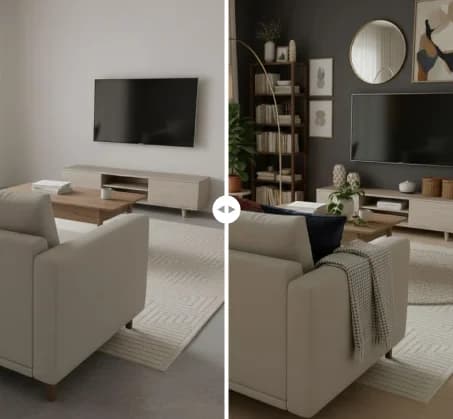
Try Shabby Chic Style on Your Space - Free
Instant AI generation with 100 free credits. No credit card needed.
Explore Shabby ChicTable of Contents
- What Defines Authentic Shabby Chic Interiors?
- The Atmosphere Shabby Chic Design Creates
- Ideal Applications for Shabby Chic Design
- Why Shabby Chic Interiors Remain Relevant in 2026?
- How RenoAI Visualizes Shabby Chic Interiors Instantly?
- The Origins of Shabby Chic: A Style Inspired by Vintage Elegance
- Core Characteristics of Shabby Chic Interiors
- Shabby Chic Color Palette Guide
- How to Choose Furniture and Decor for Shabby Chic Interiors?
- How to Create a Shabby Chic Interior: Step-by-Step Guide
- 7 Common Mistakes to Avoid in Shabby Chic Interiors
- 50+ Shabby Chic Interior Transformations

Turn Your Room into a Romantic Vintage Retreat
Upload your space and instantly preview soft pastels, distressed charm, and timeless cottage-inspired elegance.
Explore Shabby Chic