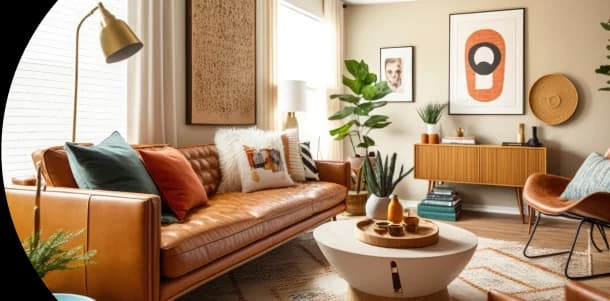
Art Deco Design: Bold Geometry Meets Timeless Luxury
Art Deco interior design blends structure, glamour, and bold visual rhythm. Defined by geometric patterns, rich materials, and striking contrasts, it creates refined, symmetrical spaces that feel polished, intentional, and visually powerful, turning interiors into statement environments with timeless elegance.
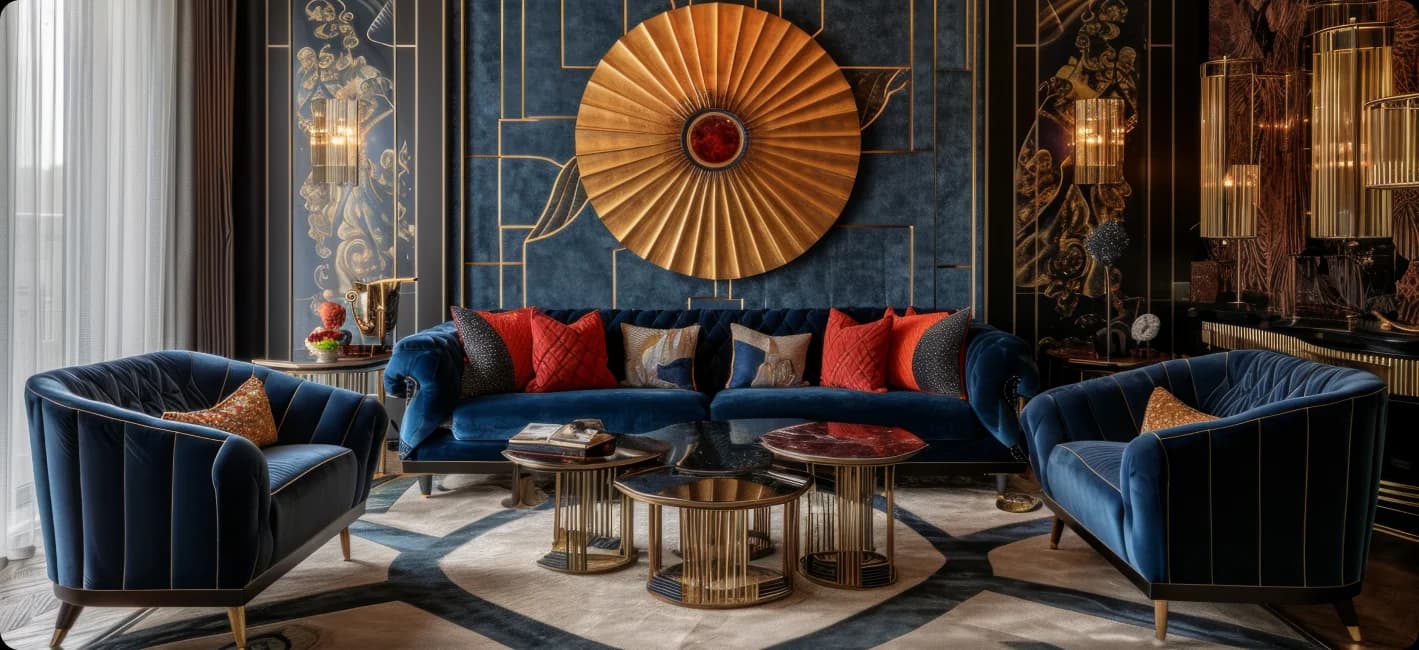
What Defines Art Deco Interior Design?
Art Deco is distinguished by strong architectural influence and decorative precision. Its identity is shaped through:
- ·Geometric patterns such as chevrons, zigzags, sunbursts, and stepped motifs
- ·Luxurious materials including velvet, marble, brass, chrome, lacquer, and glass
- ·High-contrast color palettes like black and gold, emerald and brass, navy and chrome
- ·Symmetrical layouts with structured furniture placement
- ·Sculptural lighting fixtures that act as focal design elements
- ·Glossy and reflective surfaces that amplify depth and light
Unlike minimal styles that emphasize restraint, Art Deco emphasizes presence. Every element contributes to a cohesive, dramatic composition.
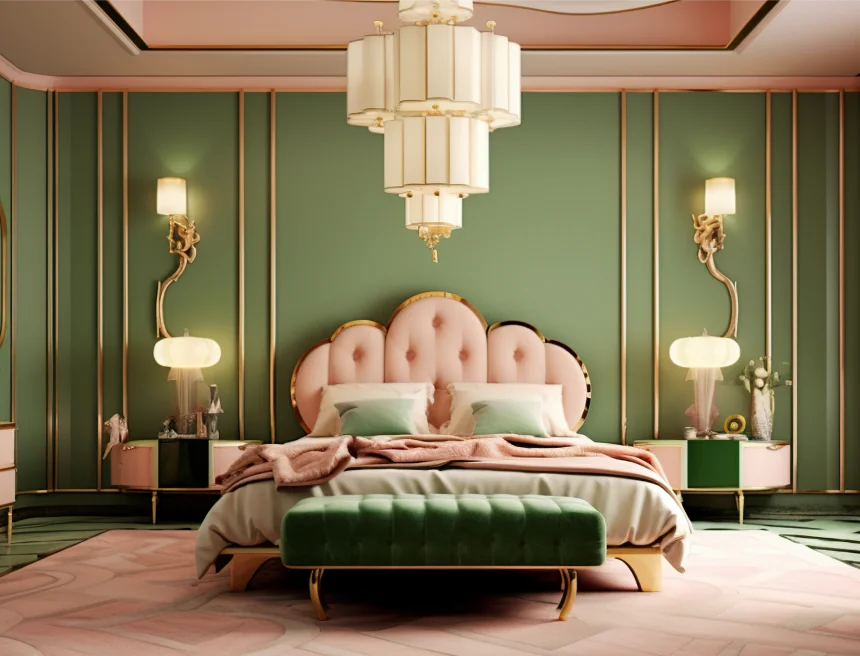
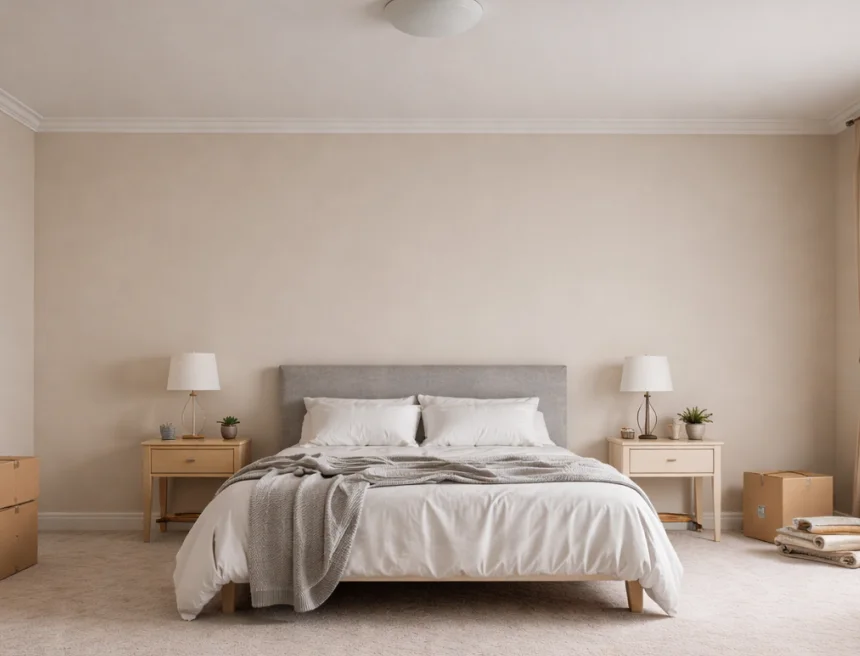
Deep charcoal walls, gold-leaf ceiling trim, mirrored surfaces, and a bold geometric rug transform an ordinary living room into a 1930s Hollywood statement.
The Atmosphere Art Deco Creates
Art Deco interiors evoke:
- ·Sophistication
- ·Drama
- ·Confidence
- ·Luxury
- ·Architectural clarity
Ideal Applications for Art Deco
Art Deco is particularly effective in:
- ·Luxury residences
- ·High-rise apartments
- ·Boutique hotels
- ·Executive lounges
- ·Hospitality spaces
- ·Formal living and dining rooms
The style thrives in environments with defined architectural structure, generous ceiling heights, and clear spatial zoning. With controlled detailing, it can also be adapted for compact urban spaces without overwhelming scale.
Why Art Deco Remains Relevant in 2026
Art Deco continues to resonate due to its alignment with contemporary architectural lines and modern luxury preferences. Clean geometry integrates seamlessly with current construction styles, while metallic finishes complement today’s premium materials.
Two major interpretations dominate today’s interiors:
Both approaches maintain the style’s core strength: confident elegance built on symmetry and craftsmanship.
How to Visualize Art Deco with RenoAI
Art Deco demands precision in proportion, balance, and material coordination. Achieving this manually requires detailed planning and experimentation.
With RenoAI:
This enables designers, developers, and homeowners to explore bold aesthetic directions without uncertainty. Complex patterns, metallic layering, and symmetry are rendered with clarity and realism in seconds.
Art Deco becomes accessible, adaptable, and visually refined without trial and error.
Art Deco interior design is more than decorative styling. It is structured luxury defined by geometry, contrast, and visual authority.
Click here to See how it worksThe Origins of Art Deco: A Style Born from Glamour and Modernity
Art Deco emerged in the 1920s as a response to rapid industrial growth, urban expansion, and cultural optimism. Officially introduced at the 1925 Paris Exposition, the style symbolized progress, precision, and modern luxury.
Inspired by machinery, skyscrapers, and global artistic influences, Art Deco replaced ornamental softness with bold geometry and symmetry. Egyptian motifs, African patterns, and stepped architectural forms were refined into structured, glamorous compositions.
Architecture and interiors evolved together, creating cohesive environments defined by vertical lines, metallic accents, and strong silhouettes.
Today, Art Deco continues to influence contemporary design through streamlined forms, controlled ornamentation, and refined material contrasts. Its foundation in structure and craftsmanship ensures lasting relevance in modern luxury interiors.
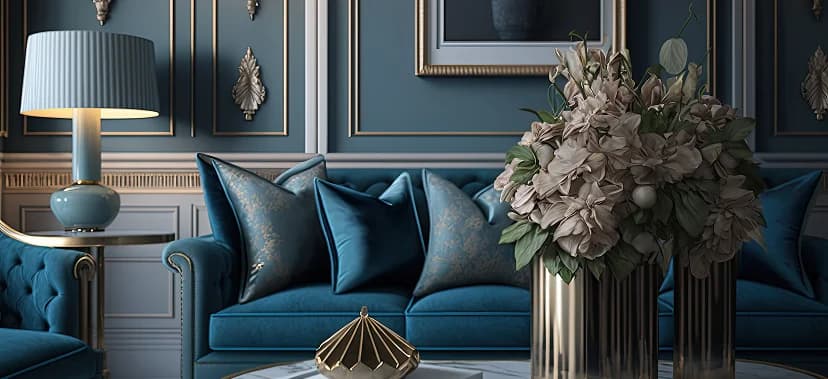
Core Characteristics of Art Deco Interiors
Art Deco interiors are defined by precision, contrast, and visual structure. Every element is deliberate. Geometry guides the composition, materials elevate the atmosphere, and symmetry maintains balance.
Below are the defining characteristics that shape authentic Art Deco spaces.
1. Geometric Precision
Geometry is the foundation of Art Deco design. Patterns such as chevrons, zigzags, sunbursts, and stepped motifs create rhythm and movement across walls, floors, and furniture.
These shapes are bold yet controlled, often repeated in wallpapers, rugs, ceiling details, and cabinetry. The repetition builds visual harmony while reinforcing architectural structure.
2. Luxurious Materials
Material selection defines the sophistication of Art Deco interiors. Common finishes include:
- ·Velvet upholstery
- ·Polished marble
- ·Brass and chrome accents
- ·Lacquered wood
- ·Glass and mirrored surfaces
The combination of soft textiles with hard metallic finishes creates a layered, glamorous effect without sacrificing clarity.
3. Bold, High-Contrast Color Palettes
Art Deco relies on strong visual contrast. Popular combinations include:
- ·Black and gold
- ·Emerald and brass
- ·Navy and chrome
- ·Deep burgundy with metallic accents
Jewel tones provide richness, while metallic highlights introduce luminosity and refinement.
4. Symmetry and Structured Layouts
Symmetry is essential. Furniture placement often mirrors across a central axis, reinforcing balance and order.
Paired armchairs, aligned lighting fixtures, and centered statement pieces create a composed and intentional layout. This structural clarity prevents the space from feeling excessive despite its decorative richness.
5. Sculptural Lighting
Lighting in Art Deco interiors is not purely functional. It acts as a design feature.
Chandeliers, globe lamps, and tiered fixtures introduce vertical drama and geometric interest. Metallic finishes amplify light reflection, enhancing depth and ambiance.
6. Gloss, Shine, and Reflective Surfaces
High-gloss finishes and mirrors are used strategically to enhance brightness and visual scale.
Reflective surfaces elevate the luxurious atmosphere while reinforcing the polished identity of the style.
How to Choose the Right Colors for an Art Deco Space
Art Deco color schemes are bold, structured, and contrast-driven. The palette balances dark foundations, luminous metallics, and rich jewel accents to create depth and glamour.
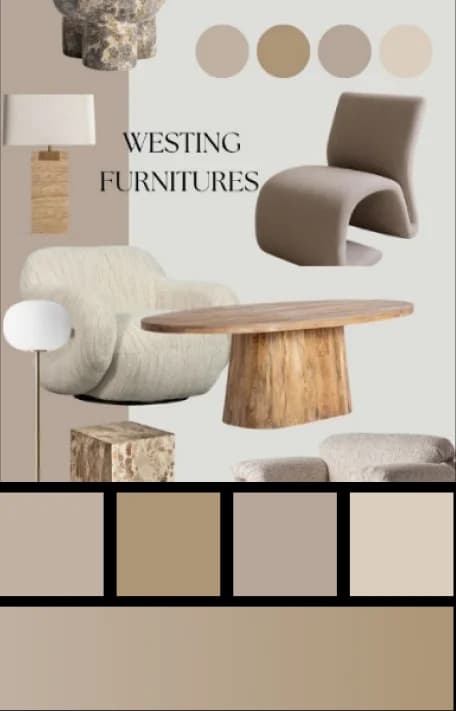
Base Colors
Base Colors Structural foundation of the space:
- Light Neutrals (Most Common Base)
- Warm Neutrals
- Cool Neutrals
- Soft Earth Tones
- Muted Pastels (Limited Use)
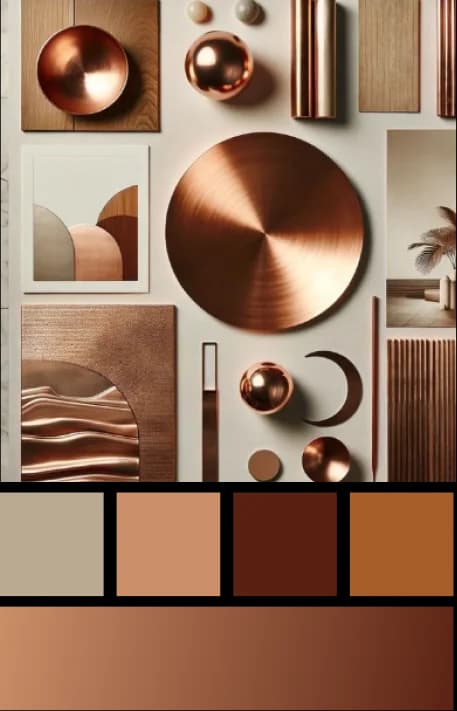
Metallic Highlights
Metallic Highlights Signature reflective finishes:
- Gold Tones
- Champagne & Soft Gold
- Silver & Chrome
- Bronze & Copper
- Black Metal Finishes
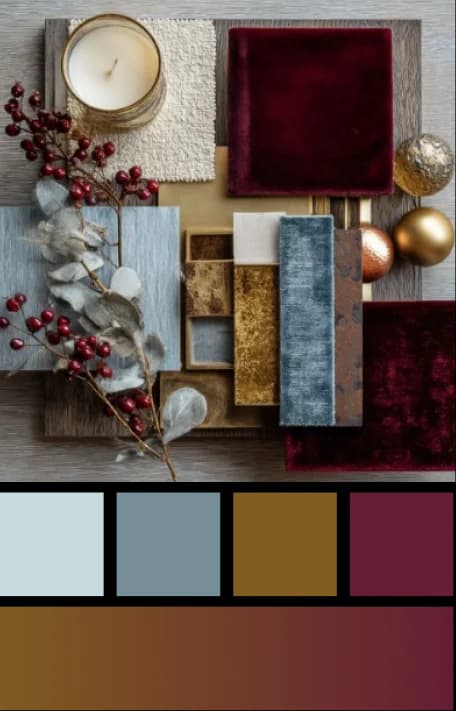
Statement Jewel Shades
Statement Jewel Shades Accent colors with impact:
- Blue Jewel Tones
- Green Jewel Tones
- Red & Wine Tones
- Purple & Plum Tones
- Dark Cyan & Exotic Tones
How to Select Furniture and Decor for an Art Deco Interior
Art Deco furniture is bold, sculptural, and intentionally structured. Each piece carries visual weight while maintaining symmetry and proportion. The style favors strong silhouettes, rich upholstery, and refined metallic detailing.
Every element is selected to reinforce geometry and glamour without overcrowding the space.
Art Deco furniture succeeds when proportion, material contrast, and symmetry work together. The result is a space that feels luxurious, composed, and visually commanding.
Signature Sofa & Seating Shapes
Art Deco sofas often feature:
- Curved backs with defined edges
- Channel-tufted velvet upholstery
- Low, elongated profiles
- Brass or chrome base detailing
Armchairs typically mirror each other to maintain symmetry. Rounded forms soften the angular patterns present in walls and flooring.
Statement Tables & Storage
Furniture pieces emphasize structure and polish.
Common elements include:
- Geometric console tables
- Marble or glass tabletops
- Lacquered sideboards
- Brass-trimmed cabinetry
- Stepped-edge coffee tables
These pieces combine sharp lines with reflective materials to amplify visual depth.
Mirrors & Wall Features
Mirrors play a defining role in Art Deco interiors.
Popular designs include:
- Sunburst mirrors
- Arched geometric frames
- Gold-rimmed circular mirrors
- Mirrored wall panels
They enhance light distribution while reinforcing symmetry.
Lighting as Decor
Lighting fixtures double as sculptural features.
- Tiered chandeliers
- Globe pendant lights
- Linear wall sconces
- Metallic floor lamps
Placement is intentional, often balanced across both sides of a focal point.
Decorative Accents
Art Deco decor is curated, not excessive.
- Crystal vases
- Marble sculptures
- Graphic-patterned rugs
- Framed geometric artwork
- Bar carts with glass and brass
Accessories introduce richness without disrupting spatial clarity.
How to Create Art Deco Interior Design: 10-Step Guide
Transform your space with structured glamour and geometric precision using these practical, design-focused steps.
Establish a Bold Foundation
Art Deco begins with impact. Introduce one dominant architectural feature:
Geometric feature wall
Chevron, stepped, or fan-pattern wallpaper in deep contrast tones.
High-contrast paint treatment
Charcoal or midnight blue paired with crisp white trim.
Mirrored panel detailing
Vertical strips or framed mirror sections to reflect light.
Marble-inspired backdrop
Black or white marble-effect surface for refined drama.
Design Insight:
One powerful focal wall defines the mood instantly. Over-layering reduces elegance.
Select One Hero Furniture Piece
Art Deco values statement over quantity. Choose a centerpiece:
Curved Velvet Sofa
Deep jewel tone with metallic legs.
Stepped Console Table
Lacquered finish with brass detailing.
Channel-Tufted Bed
Vertical upholstered headboard for architectural depth.
Sculptural Accent Chair
Rounded silhouette with structured arms.
The hero piece establishes the visual language for the entire room.
Introduce Metallic Accents with Discipline
Metal defines Deco glamour.
- ·Select one dominant finish: brass/gold OR chrome/silver
- ·Repeat consistently across lighting, hardware, and décor
- ·Add subtle secondary metal only if balanced
- ·Maintain moderation to avoid excess
Metal should highlight structure, not overpower it.
Apply Geometric Patterns Intentionally
Pattern creates rhythm.
- ✓Use one dominant large-scale pattern
- ✓Repeat similar geometry at smaller scale
- ✓Balance patterned surfaces with solid fabrics
- ✗Avoid mixing unrelated geometric motifs
Precision defines Art Deco. Random pattern layering disrupts harmony.
Install Statement Lighting
Lighting completes the architecture.
Tiered chandelier
Defines vertical space and symmetry.
Frosted globe pendants
Softens contrast while maintaining geometry.
Linear wall sconces
Perfect for flanking mirrors or artwork.
Polished floor lamps
Introduce sculptural shine.
Investing in one strong lighting feature elevates the entire interior.
Create Visual Symmetry
Art Deco demands balance.
- ·Pair chairs across a central table
- ·Match bedside tables and lamps
- ·Align artwork precisely
- ·Use mirrored décor placement
When unsure, mirror the arrangement. Symmetry ensures sophistication.
Layer Rich Textiles
Contrast hard finishes with softness.
- Velvet upholstery in emerald, sapphire, or burgundy
- Silk or satin drapery for subtle sheen
- Geometric area rugs to anchor layout
- Faux fur accents for texture variation
Fabric selection adds depth without disturbing structure.
Curate Distinctive Accessories
Accessories should reinforce the era's identity.
- ·Sunburst mirrors
- ·Brass trays
- ·Marble or chrome sculptures
- ·Geometric bookends
- ·Art-inspired clocks
- ·Polished bar accessories
Decor remains intentional and restrained.
Enhance Architectural Elements
For a more authentic transformation:
- ·Stepped crown molding
- ·Geometric wall paneling
- ·Metallic door hardware
- ·Framed ceiling detail
- ·Marble fireplace surrounds
For rental spaces, focus on removable décor and lighting upgrades.
Edit for Precision
Art Deco is glamorous, not crowded.
Prioritize quality over volume
Keep surfaces minimally styled
Conceal cables and clutter
Limit décor clusters to 2—3 pieces
Maintain clear spatial alignment
Elegance emerges when every element serves a visual purpose.
7 Common Mistakes To Avoid in Art Deco Interiors
Mistake #1: Overloading with Too Many Patterns
Art Deco celebrates geometry, but excessive mixing of chevrons, sunbursts, hexagons, and stripes creates visual noise.
Correction: Select one dominant geometric motif and repeat it at varied scales. Balance patterned surfaces with solid upholstery and clean walls.
Mistake #2: Mixing Warm and Cool Metals Randomly
Gold, brass, chrome, and silver all belong to the Deco palette – but uncontrolled mixing weakens cohesion.
Correction: Choose one primary metal finish and repeat it consistently. Introduce secondary metallic tones subtly and intentionally.
Mistake #3: Ignoring Symmetry
Art Deco depends on visual balance. Asymmetrical arrangements disrupt the architectural clarity the style requires.
Correction: Mirror lighting fixtures, seating, and accessories. Align artwork and maintain a clear central axis.
Mistake #4: Making the Space Too Dark
Deep jewel tones and black foundations define Art Deco, but insufficient lighting can make the room feel heavy rather than luxurious.
Correction: Layer lighting through chandeliers, sconces, and reflective surfaces. Use mirrors to enhance brightness and spatial depth.
Mistake #5: Overcrowding with Decorative Pieces
Art Deco is glamorous, not cluttered. Excess décor reduces sophistication.
Correction: Curate fewer, higher-quality accessories. Keep surfaces intentional and structured.
Mistake #6: Choosing Generic Modern Furniture
Minimalist or overly contemporary pieces without geometric character dilute the Deco aesthetic.
Correction: Incorporate curved silhouettes, stepped detailing, velvet textures, and metallic bases to reinforce authenticity.
Mistake #7: Neglecting Architectural Framing
Art Deco interiors rely on defined edges and structured composition. Flat, undecorated walls can feel incomplete.
Correction: Add panel molding, geometric wallpaper, framed mirrors, or strong color blocking to anchor the design.
Art Deco interiors succeed when glamour is controlled by symmetry and precision. Structure first, drama second. When every element feels intentional, the space reflects timeless sophistication rather than decorative excess.
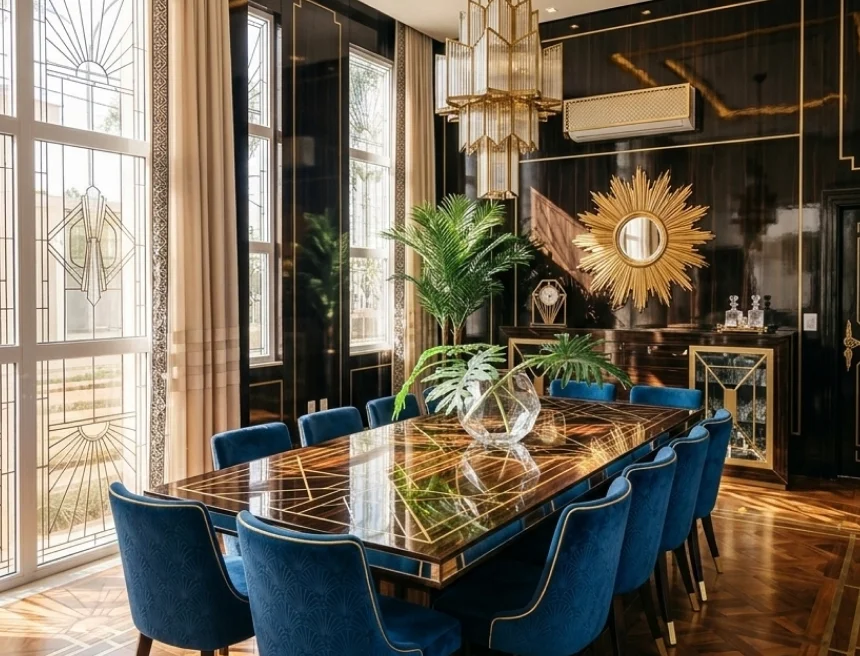
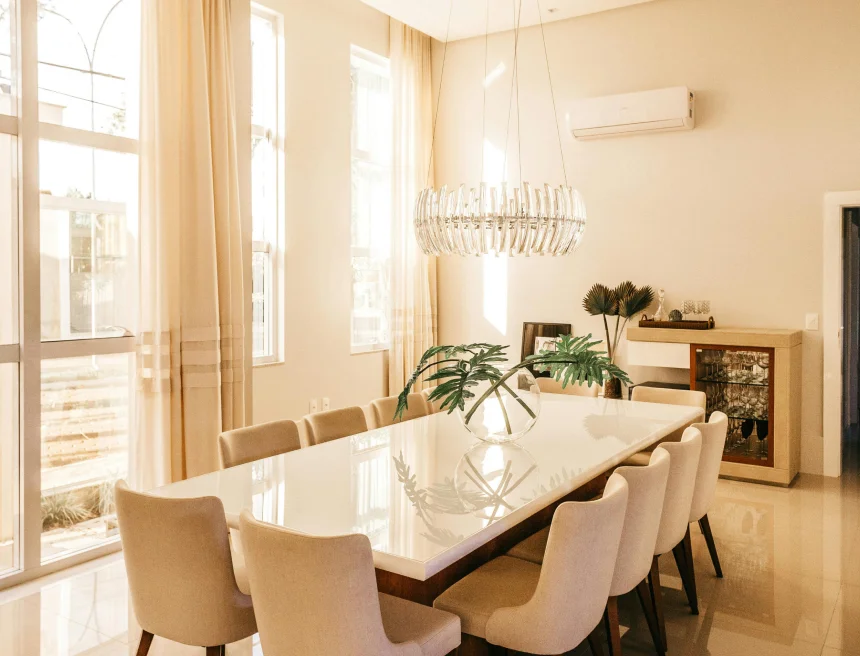
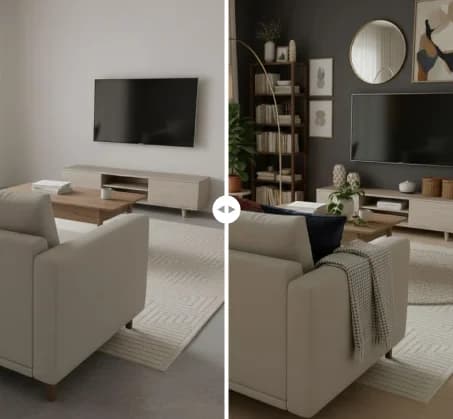
50+ Art Deco Interior Transformations
Explore striking before-and-after makeovers that turn ordinary rooms into bold, glamorous Art Deco spaces. All before after images of normal room to art décor room
See RenoAI Come to Life in Your Space
Upload your room image and preview bold geometry, rich finishes, and timeless 1920s elegance before making any design decisions.
Preview RenoAI NowTable of Contents
- What Defines Art Deco Interior Design?
- Room Reimaginings
- Atmosphere & Ideal Applications
- Why Art Deco Remains Relevant in 2026
- How to Visualize Art Deco with RenoAI
- The Origins of Art Deco
- Core Characteristics of Art Deco Interiors
- How to Choose the Right Colors for an Art Deco Space
- How to Select Furniture and Decor for an Art Deco Interior
- How to Create Art Deco Interior Design: 10-Step Guide
- 7 Common Mistakes To Avoid in Art Deco Interiors
- 50+ Art Deco Interior Transformations

See RenoAI Come to Life in Your Space
Upload your room image and preview bold geometry, rich finishes, and timeless 1920s elegance before making any design decisions.
Preview RenoAI Now