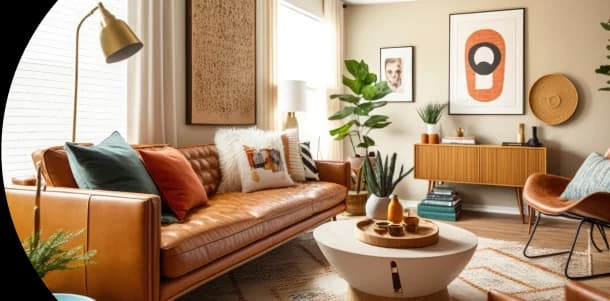
Korean Interior Design: Calm, Minimal Living with Natural Balance
Korean interior design emphasizes simplicity, natural materials, soft neutrals, and open space. Inspired by traditional homes and modern minimalism, it creates calm, balanced environments that feel warm, breathable, and thoughtfully composed.
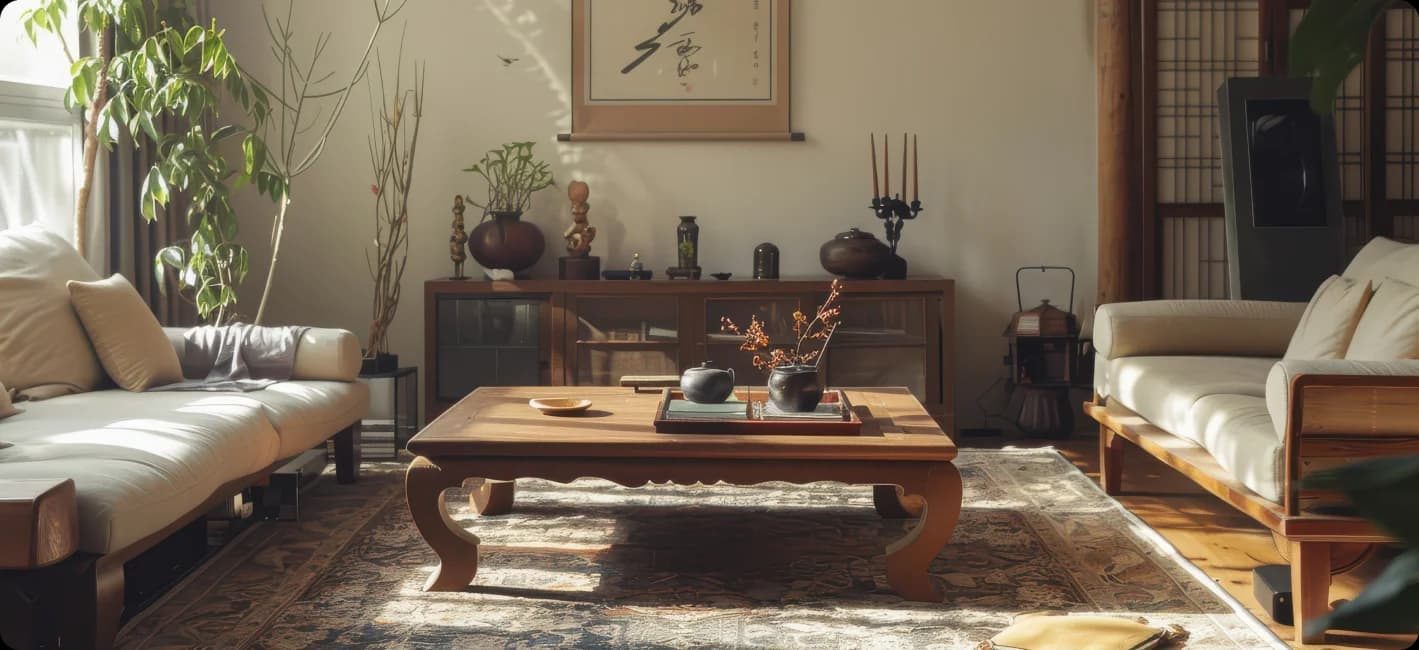
What Defines Authentic Korean Interiors?
Korean interior design emphasizes simplicity, natural materials, soft neutrals, and open space. Inspired by traditional homes and modern minimalism, it creates calm, balanced environments that feel warm, breathable, and thoughtfully composed.
- ·Minimal, Balanced Spaces: Rooms remain uncluttered, allowing the architecture and materials to breathe.
- ·Natural Materials: Light woods, linen fabrics, woven fibers, and stone surfaces bring warmth.
- ·Soft Neutral Palettes: Cream, warm white, beige, and pale wood tones establish calm foundations.
- ·Low Furniture Profiles: Floor seating, low tables, and minimal cabinetry maintain openness.
- ·Connection to Nature: Indoor plants, natural light, and organic textures reinforce serenity.
Korean interiors feel quiet, thoughtful, and deeply calming spaces designed for comfort, reflection, and everyday balance.
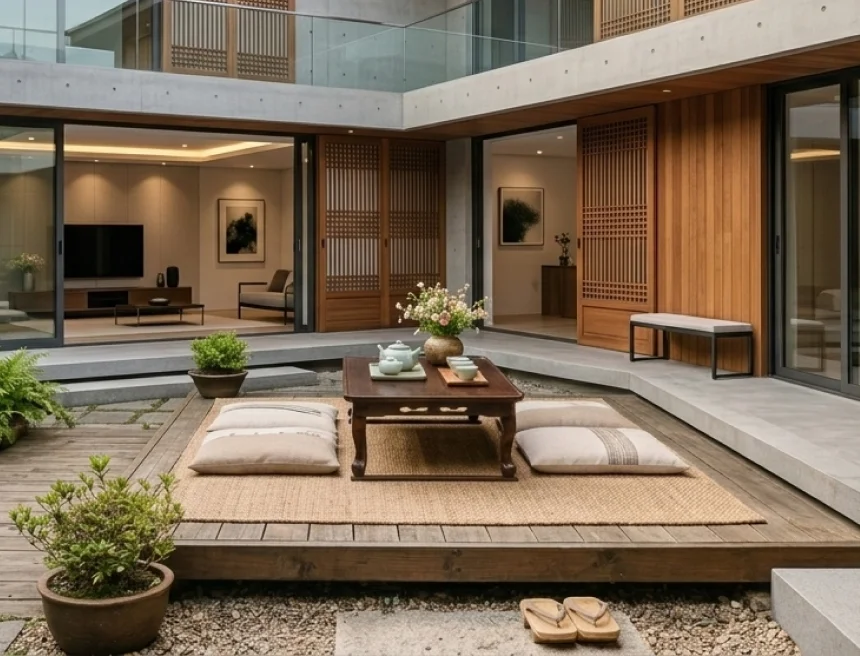
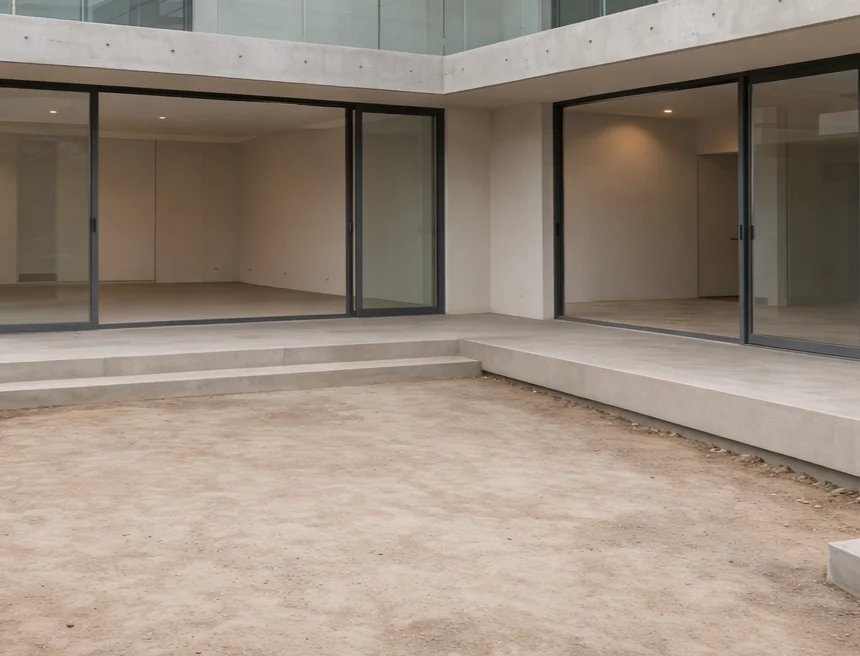
Natural light plays a central role. Light wood finishes and neutral surfaces reflect brightness softly throughout the room.
The Atmosphere Korean Design Creates
Korean interiors evoke calm, clarity, and gentle warmth. The atmosphere feels peaceful rather than dramatic, where open space and soft textures create a sense of emotional comfort.
- ·Calm
- ·Minimal
- ·Balanced
- ·Warm
- ·Restorative
Korean design creates interiors that feel quietly elegant spaces designed to support mindfulness, rest, and natural living.
Ideal Applications for Korean Design
Korean interiors adapt beautifully to modern homes where calm and simplicity are priorities. This style works especially well in:
- ·Urban apartments
- ·Minimalist homes
- ·Bedrooms and meditation spaces
- ·Living rooms with open layouts
- ·Studios and creative spaces
- ·Boutique cafés and wellness interiors
Smaller spaces benefit greatly from Korean design principles. Low furniture, neutral tones, and minimal décor create the illusion of openness and tranquility. Natural lighting enhances the soft palette and organic textures that define the style. When applied thoughtfully, Korean design transforms interiors into peaceful environments that support relaxation and everyday balance.
Why Korean Interior Design Feels Relevant in 2026?
Korean interiors continue to resonate because they align naturally with modern preferences for calm, clutter-free living. The style prioritizes simplicity, natural materials, and thoughtful spatial balance. Clean layouts complement contemporary architecture, while warm wood tones and soft neutral palettes create welcoming interiors that feel both minimal and comfortable.
Two common interpretations shape today’s Korean-inspired interiors:
Both approaches reflect the same core principle: interiors designed for balance, calm living, and quiet beauty through simplicity and natural harmony.
How RenoAI Visualizes Korean Interiors Instantly?
Transform any space into a calm, balanced Korean-inspired interior in just a few guided steps with RenoAI.
Korean interiors achieve their distinctive calm through restraint and thoughtful material selection. Instead of filling a room with decorative pieces, the design focuses on creating balance between furniture, space, and natural light.
Low-profile wooden furniture, soft textiles, and simple handcrafted accents contribute to a warm yet minimal atmosphere. Every item serves a purpose while maintaining visual clarity. Neutral tones and organic textures work together to create spaces that feel grounded and comfortable.
The overall goal is harmony interiors that encourage relaxation, quiet reflection, and everyday simplicity while still feeling refined and modern.
The Origins of Korean Interiors: A Design Rooted in Balance and Simplicity
Korean interior design developed from traditional Korean homes known as hanok, where architecture, nature, and daily life were closely connected. These homes emphasized open layouts, natural materials, and thoughtful spatial harmony.
Wood structures, paper screens, and heated floor systems created interiors that felt warm, breathable, and closely tied to the surrounding landscape. Every element was designed to support comfort while maintaining simplicity.
Over time, Korean interiors evolved alongside modern urban living while preserving their essential philosophy of balance and restraint. Clean architecture, natural textures, and minimal decoration continue to define the style.
Today, Korean design blends traditional principles with contemporary minimalism. The focus remains on calm spaces, natural light, and quiet elegance that encourage relaxation and mindful living.
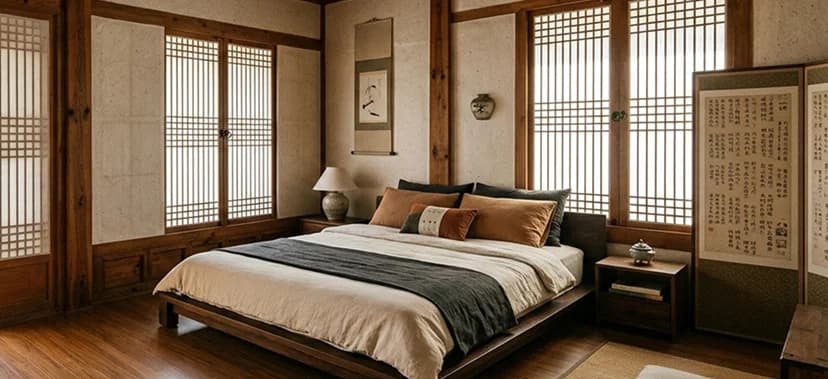
Core Characteristics of Korean Interiors
Korean interiors focus on calm spatial balance, natural warmth, and restrained simplicity. The design emphasizes harmony between architecture, materials, and light.
Minimal & Open Spaces
Rooms remain uncluttered and visually calm.
- ·Open floor areas
- ·Limited furniture pieces
- ·Clear circulation paths
- ·Balanced layout composition
Open space enhances tranquility.
Natural Materials
Organic textures define Korean interiors.
- ·Light wood furniture
- ·Linen and cotton fabrics
- ·Stone or ceramic accents
- ·Woven storage baskets
These materials create warmth without visual heaviness.
Soft Neutral Palettes
Color schemes remain gentle and calming.
- ·Warm white
- ·Beige
- ·Sand tones
- ·Pale wood shades
Subtle palettes support a peaceful atmosphere.
Low Furniture Profiles
Many Korean interiors use grounded furniture.
- ·Low coffee tables
- ·Floor seating or cushions
- ·Platform beds
- ·Minimal cabinetry
This maintains openness and visual balance.
Natural Light Emphasis
Lighting enhances calm environments.
- ·Large windows
- ·Sheer curtains
- ·Soft ambient lighting
Light plays an essential role in maintaining serenity.
Korean Color Palette Guide
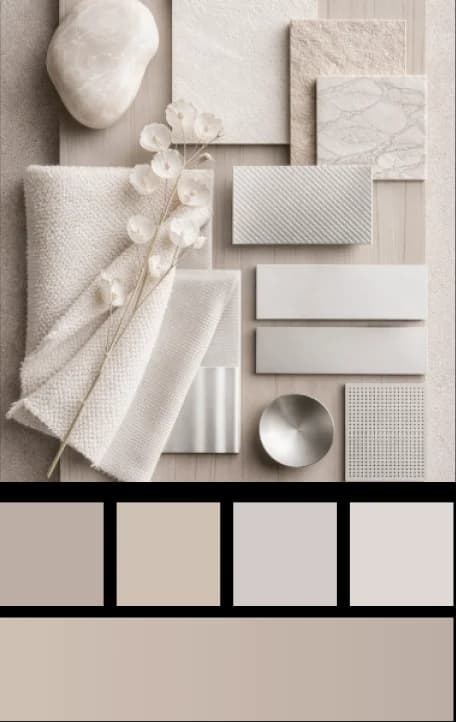
Korean interiors rely on gentle color harmony rather than contrast. The palette reflects nature, light wood, and calming neutral tones.
Soft Neutral Foundations
These tones establish balance.
- Soft Whites
- Cream & Ivory Tones
- Light Beige & Sand
- Pale Greys
- Greige & Taupe (Light)
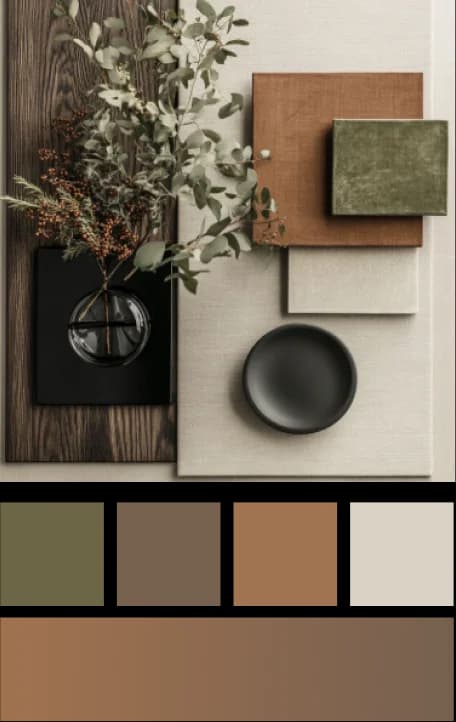
Light Wood Tones
Wood adds warmth without heaviness.
- Oak Variations
- Maple & Birch
- Ash & Beech
- Sanded Timber / Light Teak
- Whitewashed Wood
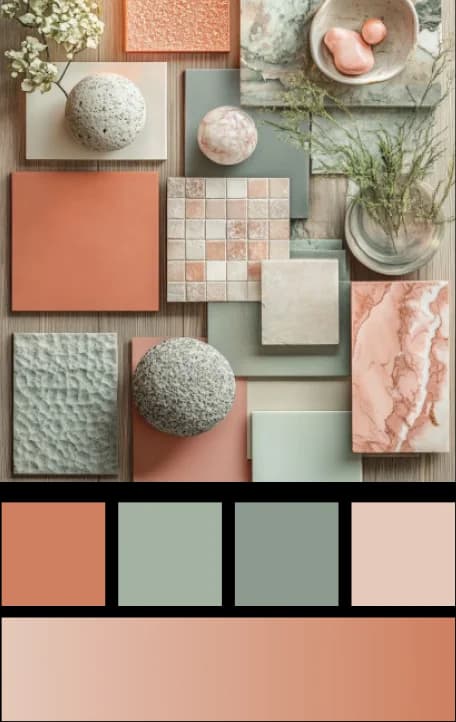
Subtle Accent Colors
Accent tones remain soft and restrained.
- Dusty Rose
- Sage Green
- Muted Mint
- Powder Blue
- Soft Coral
Furniture & Decor in Korean Design
Furniture and décor remain minimal, functional, and warm. Each piece serves a purpose while maintaining visual clarity.
Low & Simple Seating
Comfortable seating with clean silhouettes.
- Low-profile sofas
- Floor cushions
- Minimal lounge chairs
- Neutral upholstered seating
Furniture remains understated.
Natural Wood Furniture
Wood creates warmth and balance.
- Light wood coffee tables
- Simple wooden shelving
- Platform beds
- Minimal cabinets
Natural grain is often visible.
Soft Textile Elements
Textiles enhance comfort.
- Linen curtains
- Cotton bedding
- Neutral cushions
- Woven rugs
Textures remain soft and breathable.
Minimal Decorative Objects
Decor remains restrained.
- Ceramic vases
- Indoor plants
- Soft artwork
- Small sculptural objects
Each item feels intentional.
How to Create a Korean Interior: Step-by-Step Guide
Design a calm, balanced Korean-inspired interior using these practical steps.
Build a Calm Neutral Foundation
Korean interiors begin with a soft, balanced base.
Warm neutral wall palette
Cream, ivory, or beige tones reflecting light softly.
Light wood flooring tones
Pale oak or ash surfaces enhancing natural warmth.
Minimal architectural detailing
Simple walls allowing materials and light to stand out.
Uncluttered visual background
Clean surfaces creating peaceful spatial clarity.
Design Insight:
Neutral foundations allow light, texture, and natural materials to shape the calm atmosphere.
Choose Low-Profile Furniture
Grounded furniture enhances openness and balance.
Low wooden coffee tables
Simple shapes maintaining relaxed spatial proportions.
Platform beds with wood
Clean lines emphasizing minimal bedroom design.
Floor seating cushion areas
Comfortable seating close to the ground.
Minimal neutral sofas
Soft forms without heavy visual weight.
Design Insight:
Lower furniture keeps sightlines open and reinforces the grounded feeling typical of Korean interiors.
Introduce Natural Materials
Nature creates warmth and texture.
- ·Light wood furniture pieces
- ·Soft linen fabric textures
- ·Natural woven basket storage
- ·Handmade ceramic decorative pieces
- ·Stone or clay accents
Grounding raw materials forms the base of this design style.
Maintain Open Spatial Flow
Rooms should feel calm, balanced.
- ·Keep floor areas open
- ·Maintain simple furniture arrangements
- ·Allow easy walking paths
- ·Avoid unnecessary visual barriers
- ·Emphasize breathing room everywhere
Minimalism acts naturally when space isn't overwhelmed.
Add Subtle Decorative Elements
Decor should remain minimal and intentional.
Handmade ceramic vases
Neutral pottery bringing natural artisanal character.
Minimal framed artwork
Soft landscape prints or abstract compositions.
Indoor greenery accents
Simple plants adding life and freshness.
Neutral woven accessories
Textured baskets or trays enhancing warmth.
In Korean interiors, decoration supports tranquility rather than competing for attention.
Use Soft Ambient Lighting
Lighting should feel warm, gentle.
- ·Diffused ceiling lighting sources
- ·Warm floor lamp glow
- ·Paper lantern inspired fixtures
- ·Soft bedside table lamps
- ·Avoid harsh bright lighting
Dim illumination evokes a sense of relaxation.
Introduce Simple Natural Greenery
Plants bring calm natural energy.
- ·Small indoor potted plants
- ·Minimal ceramic plant pots
- ·Soft leafy plant varieties
- ·Low maintenance greenery choices
- ·Place near natural light
Brings nature directly indoors naturally.
Keep Storage Clean Organized
Clutter disrupts visual harmony.
- ·Use hidden cabinet storage
- ·Keep shelves lightly styled
- ·Avoid excessive open storage
- ·Store items neatly inside
- ·Maintain tidy everyday surfaces
Visual emptiness provides emotional room to breathe.
Layer Soft Natural Textiles
Textiles add comfort and warmth.
- ·Linen curtains filtering light
- ·Cotton bedding neutral tones
- ·Light woven floor rugs
- ·Soft neutral throw blankets
- ·Natural fabric cushion covers
Ensures the space doesn't feel uncomfortably bare.
Refine the Space Thoughtfully
Editing final details creates calm harmony.
Remove unnecessary objects
Minimal surfaces maintain visual serenity.
Balance furniture spacing
Ensure comfortable breathing room between pieces.
Keep decorative items limited
Select few meaningful accent pieces.
Preserve overall simplicity
Every element should feel intentional.
Korean interiors feel complete when the room looks effortless, balanced, and quietly refined.
7 Common Mistakes to Avoid in Korean Interiors
Mistake #1: Filling the Space with Too Many Objects
Korean interiors emphasize calm visual breathing room. Overcrowding shelves, tables, and corners with decorative pieces disrupts the peaceful atmosphere.
Correction: Limit décor to a few intentional items. Allow empty space to exist so materials, light, and textures become the focus.
Mistake #2: Using Heavy or Bulky Furniture
Large sofas, thick tables, and oversized cabinets make interiors feel visually dense and restrict the open flow typical of Korean homes.
Correction: Choose low-profile furniture with light wood finishes and simple silhouettes to maintain spatial balance and openness.
Mistake #3: Ignoring Natural Materials
Synthetic finishes and glossy surfaces remove the warmth and authenticity that define Korean interiors.
Correction: Incorporate organic materials such as light wood, linen, cotton, ceramic, and woven fibers to create natural texture and warmth.
Mistake #4: Introducing Strong Color Contrasts
Bright colors or bold accent walls disturb the soft harmony that Korean interiors rely on.
Correction: Use gentle neutral tones such as cream, beige, soft gray, and pale wood shades to maintain calm visual continuity.
Mistake #5: Cluttered Layouts
Too many furniture pieces or tightly packed arrangements prevent the room from feeling calm and breathable.
Correction: Keep furniture arrangements simple with clear walking paths and open floor areas that support relaxed living.
Mistake #6: Harsh Artificial Lighting
Bright overhead lighting or cold white bulbs can make the interior feel sterile rather than peaceful.
Correction: Use warm, diffused lighting through floor lamps, paper lantern fixtures, or soft ambient sources.
Mistake #7: Blocking Natural Light
Heavy curtains, dark window frames, or large furniture near windows reduce brightness and openness.
Correction: Allow natural light to flow freely with sheer curtains and unobstructed window areas.
50+ Korean Interior Design Transformations
Discover how everyday spaces evolve into calm, balanced interiors inspired by Korean minimalism and natural harmony.
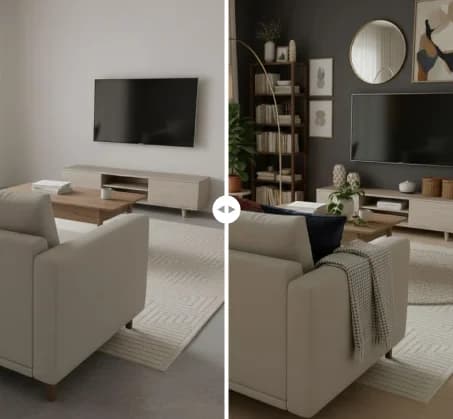
Try Korean Style on Your Space - Free
Instant AI generation with 100 free credits. No credit card needed.
Visualize Korean StyleTable of Contents
- What Defines Authentic Korean Interiors?
- The Atmosphere Korean Design Creates
- Ideal Applications for Korean Design
- Why Korean Interior Design Feels Relevant in 2026?
- How RenoAI Visualizes Korean Interiors Instantly?
- The Origins of Korean Interiors: A Design Rooted in Balance and Simplicity
- Core Characteristics of Korean Interiors
- Korean Color Palette Guide
- Furniture & Decor in Korean Design
- How to Create a Korean Interior: Step-by-Step Guide
- 7 Common Mistakes to Avoid in Korean Interiors
- 50+ Korean Interior Design Transformations

Experience Korean Design in Your Own Space
Upload your room photo and instantly preview calm layouts, warm wood tones, and minimalist Korean interiors before starting your redesign.
Try Korean Style