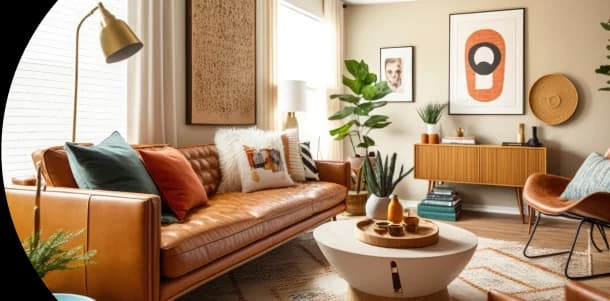
Farmhouse Interior Design: Warm, Rustic Spaces That Feel Like Home
Farmhouse interior design combines rustic charm with comfort. Natural materials, warm woods, neutral palettes, and vintage elements create welcoming spaces that feel simple, timeless, practical, and perfect for everyday living.
What Defines Authentic Farmhouse Interiors?
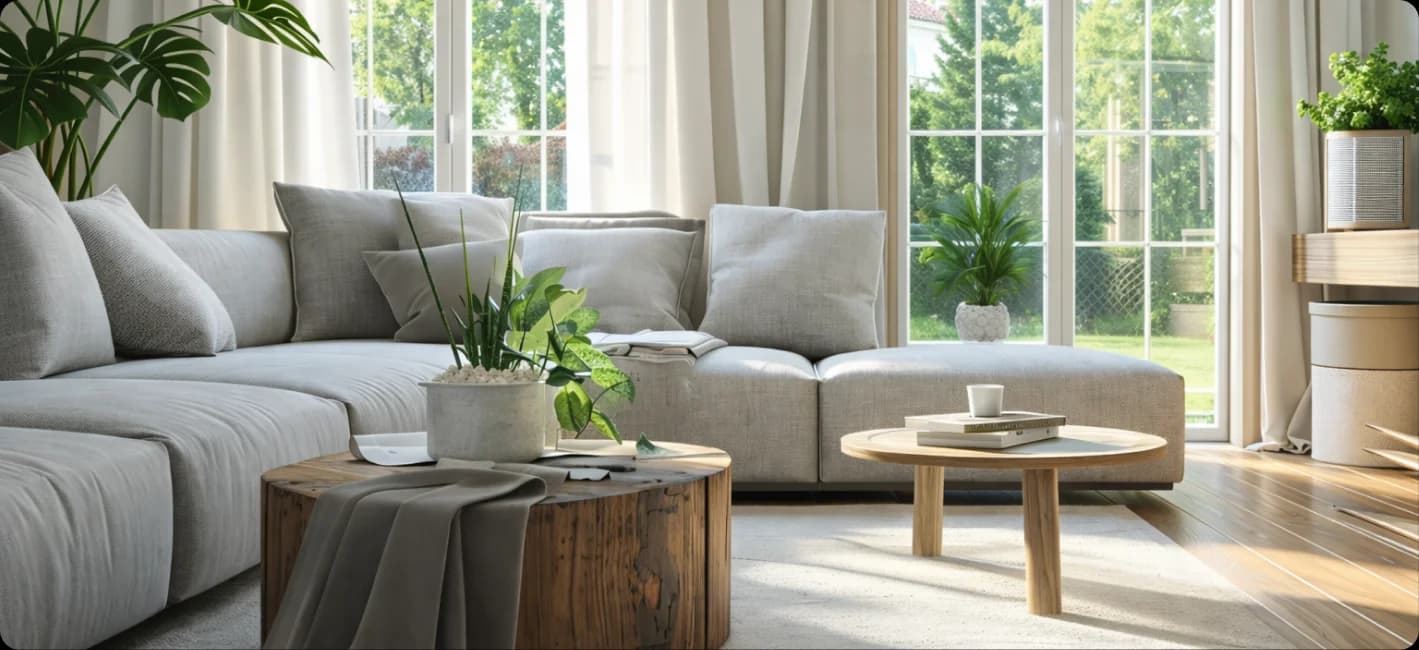
Farmhouse interior design combines rustic charm with comfort. Natural materials, warm woods, neutral palettes, and vintage elements create welcoming spaces that feel simple, timeless, practical, and perfect for everyday living.
- ·Natural Materials: Wood, stone, linen, and metal form the foundation of the style.
- ·Neutral, Earthy Palettes: Soft whites, warm beiges, and muted grays create calm, inviting environments.
- ·Practical, Comfortable Furniture: Large dining tables, deep sofas, and functional cabinetry emphasize usability.
- ·Rustic Architectural Elements: Shiplap walls, exposed beams, and barn-style doors introduce traditional character.
- ·Vintage & Handmade Accents: Antique décor, woven baskets, and handcrafted pieces add authenticity.
Farmhouse interiors succeed when simplicity, warmth, and function work together. The goal is a space that feels relaxed, welcoming, and naturally timeless.
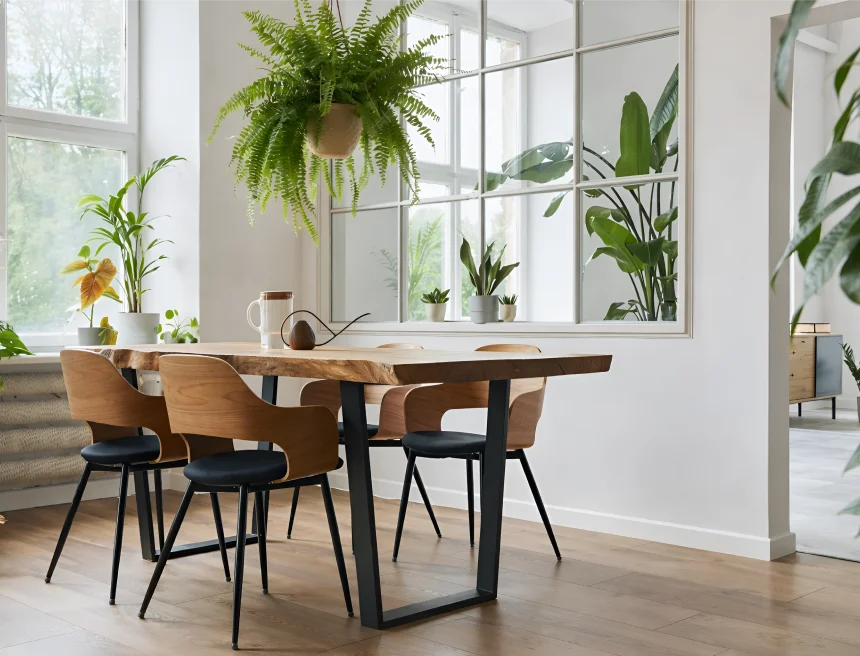
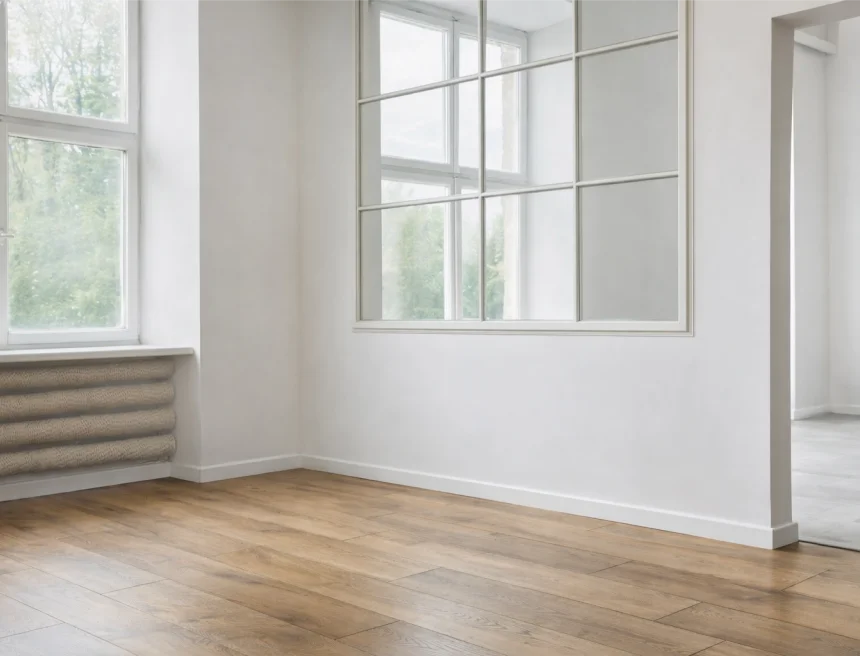
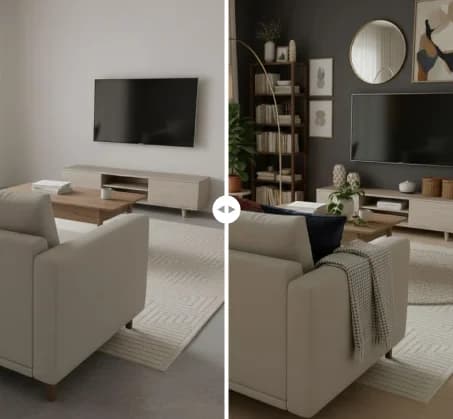
Watch how natural materials and warm wood tones turn a modern room into a welcoming farmhouse sanctuary.
The Atmosphere Farmhouse Design Creates
Farmhouse interiors create an atmosphere that feels warm, comforting, and welcoming. The style focuses on spaces that encourage gathering, relaxation, and everyday living rather than formality or perfection.
- ·Cozy
- ·Welcoming
- ·Rustic
- ·Comfortable
- ·Authentic
Farmhouse interiors succeed when simplicity, warmth, and function work together. The goal is a space that feels relaxed, welcoming, and naturally timeless.
Ideal Applications for Farmhouse Design
Farmhouse design works best in spaces that prioritize comfort, warmth, and everyday functionality. Its relaxed aesthetic adapts well to homes that value gathering spaces and natural materials.
- ·Country homes and rural properties
- ·Suburban family houses
- ·Open-plan kitchens and dining areas
- ·Cozy living rooms
- ·Bedrooms with warm neutral palettes
- ·Outdoor patios and farmhouse-style porches
Farmhouse interiors thrive where spaces feel welcoming and functional. When applied thoughtfully, the design transforms rooms into environments that feel relaxed, practical, and deeply inviting.
Why Farmhouse Design Remains Popular in Modern Homes?
Farmhouse interiors continue to appeal to homeowners because they combine warmth, practicality, and timeless simplicity. Natural materials, neutral palettes, and comfortable furnishings align well with today’s preference for relaxed, livable spaces rather than overly formal interiors.
Two major directions shape modern farmhouse interiors:
Both interpretations preserve the style’s defining strength: welcoming spaces built around comfort, authenticity, and natural materials.
How RenoAI Visualizes Farmhouse Interiors Instantly?
Transform any room into a warm, rustic-inspired farmhouse space in just a few guided steps using RenoAI.
RenoAI helps visualize farmhouse interiors before committing to renovations.
By analyzing your room’s layout, lighting, and proportions, the platform applies rustic textures, warm wood finishes, and cozy neutral palettes instantly.
This allows homeowners and designers to explore multiple farmhouse variations, compare transformations, and confidently plan furniture, materials, and décor choices without costly trial-and-error decisions.
The Origins of Farmhouse Design: A Style Rooted in Simplicity and Function
Farmhouse design developed from traditional rural homes where interiors were shaped by practicality and locally available materials. Early farmhouses emphasized durability, craftsmanship, and spaces designed for daily life and family gatherings.
Natural wood, stone, and handmade furnishings became defining elements because they were accessible and long-lasting. Large kitchens, communal dining areas, and open living spaces supported a lifestyle centered around work, family, and shared activities.
Over time, these functional interiors evolved into a design style valued for its warmth and authenticity.
Today, farmhouse design continues to influence modern interiors through its combination of rustic textures, neutral palettes, and comfortable layouts that create spaces that feel welcoming and timeless.
Core Characteristics of Farmhouse Interiors
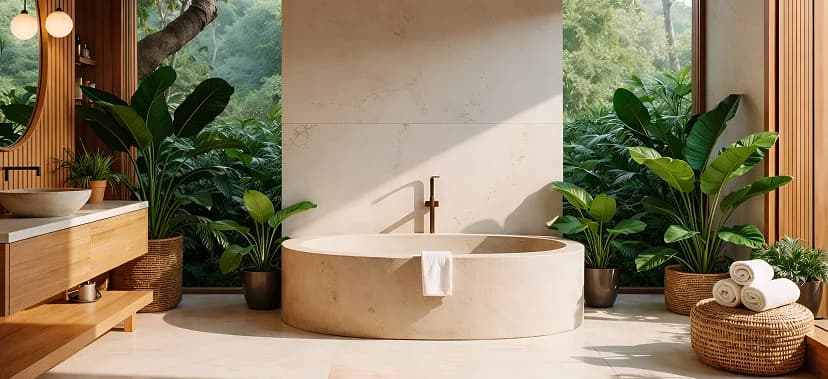
Farmhouse interiors are defined by warmth, practicality, and natural textures. The style blends rustic materials with comfortable layouts to create spaces that feel inviting and timeless.
Below are the defining elements that shape authentic farmhouse design.
Natural Wood Elements
Wood plays a central role in farmhouse interiors.
- ·Reclaimed wood furniture
- ·Exposed ceiling beams
- ·Rustic wooden dining tables
- ·Wide plank flooring
Natural wood tones introduce warmth and character.
Neutral & Earthy Color Palettes
Farmhouse spaces rely on calm, grounded colors.
- ·Soft white
- ·Warm beige
- ·Light gray
- ·Cream tones
Neutral palettes create a relaxing and welcoming environment.
Rustic Architectural Details
Structural features often highlight farmhouse character.
- ·Shiplap wall panels
- ·Barn-style sliding doors
- ·Wooden ceiling beams
- ·Classic farmhouse sinks
These elements reinforce the traditional farmhouse aesthetic.
Comfortable, Functional Furniture
Furniture prioritizes comfort and everyday usability.
- ·Large wooden dining tables
- ·Oversized sofas
- ·Simple storage cabinets
- ·Practical kitchen islands
The focus remains on functionality and family living.
Vintage & Handmade Accents
Decor often reflects heritage and craftsmanship.
- ·Antique metal décor
- ·Ceramic jars and pottery
- ·Woven baskets
- ·Vintage wall clocks
These pieces add personality and authenticity.
Farmhouse Color Palette Guide
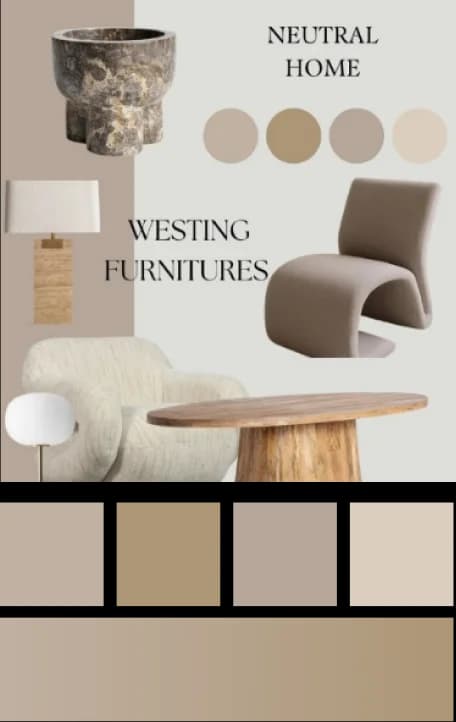
Farmhouse interiors rely on soft, grounded colors that feel warm, calm, and timeless. The palette is inspired by natural materials such as wood, stone, linen, and aged metal, creating a relaxed and welcoming environment. A successful farmhouse color scheme combines neutral foundations with subtle earthy accents.
Base Colors
These shades form the primary backdrop of farmhouse interiors.
- Light Neutrals (Most Common Base)
- Warm Neutrals
- Cool Neutrals
- Soft Earth Tones
- Muted Pastels (Limited Use)
Accent Colors
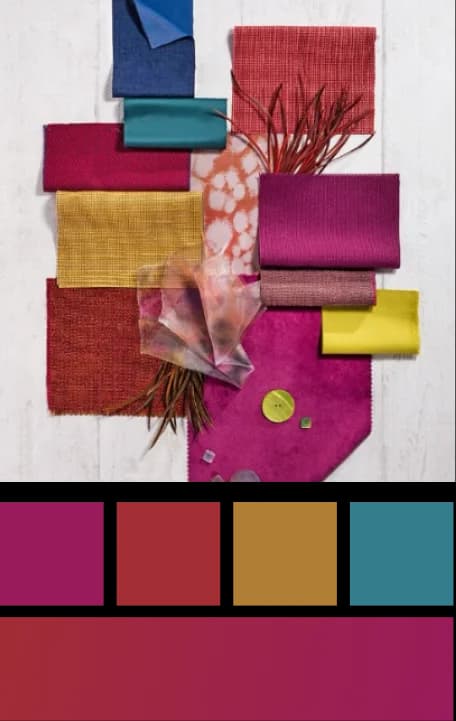
Accent shades introduce depth while maintaining the rustic charm.
- Bold Primary Accents
- Deep Accent Shades
- Warm Accent Tones
- Cool Accent Tones
- Soft Accent Colors
Natural Material Tones
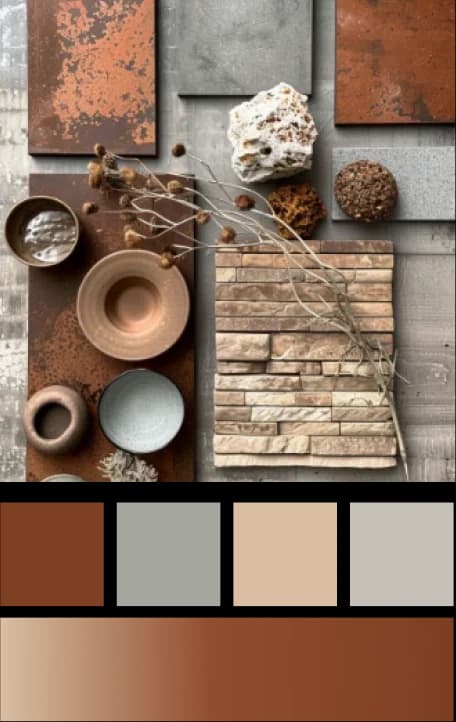
Organic materials bring warmth and authenticity.
- Wood-Based Tones
- Stone & Concrete Tones
- Marble-Inspired Neutrals
- Clay & Earth Tones
- Metal-Based Neutrals
How to Choose Furniture and Decor for Farmhouse Interiors?
Furniture and décor in farmhouse interiors emphasize comfort, practicality, and rustic character. Pieces often feel sturdy, handmade, and naturally aged rather than sleek or highly polished.
The goal is to create a home that feels lived-in, welcoming, and warm.
Rustic Wooden Furniture
Wood furniture forms the backbone of farmhouse interiors.
- Large farmhouse dining tables
- Reclaimed wood coffee tables
- Rustic sideboards and cabinets
- Wooden benches
Natural grains and slightly weathered finishes enhance authenticity.
Comfortable Upholstered Seating
Seating should feel relaxed and inviting.
- Linen or cotton sofas
- Slipcovered armchairs
- Neutral fabric sectionals
- Simple wooden rocking chairs
Soft fabrics balance the rustic materials.
Functional Storage & Shelving
Practical storage is part of the farmhouse aesthetic.
- Open wooden shelves
- Farmhouse-style cabinets
- Vintage storage trunks
- Woven baskets
These pieces combine function with rustic charm.
Simple Decorative Accents
Decor remains warm and understated.
- Ceramic jars and pottery
- Vintage wall clocks
- Wooden trays and boards
- Antique metal décor
- Farmhouse-style lanterns
Accessories should feel authentic rather than decorative for decoration’s sake.
How to Create a Farmhouse Interior: Step-by-Step Guide?
Build a Warm Rustic Foundation
Farmhouse design begins with comforting materials and simple architectural warmth.
Shiplap feature wall
Horizontal wood paneling adds timeless farmhouse character.
Reclaimed wood accent wall
Weathered timber panels create authentic rustic warmth.
Soft neutral paint backdrop
Warm whites or creams brighten farmhouse interiors.
Stone or brick focal wall
Natural textures introduce grounded rustic charm.
Design Insight: Farmhouse interiors feel strongest when natural textures establish warmth before decorative elements are layered.
Introduce Natural Wood Elements
Wood textures create farmhouse warmth and authenticity throughout the space.
Exposed ceiling beams
Natural timber beams add rustic architectural character.
Farmhouse dining table centerpiece
Large wooden table anchors gathering spaces.
Wood framed shelving units
Open shelving highlights natural farmhouse materials.
Weathered wood console table
Rustic furniture pieces enhance farmhouse charm.
Design Insight: Farmhouse design celebrates real materials. Visible wood grain instantly introduces warmth and authenticity.
Use Soft Neutral Foundations
Create calm warmth through natural tones.
- ·Soft whites brighten farmhouse interiors
- ·Cream walls enhance rustic warmth
- ·Light gray balances natural materials
- ·Warm beige creates relaxed atmosphere
- ·Neutral palettes support rustic textures
Add Rustic Architectural Details
Small details strengthen farmhouse character.
- ·Shiplap walls introduce farmhouse identity
- ·Sliding barn doors create rustic charm
- ·Exposed beams highlight structural warmth
- ·Classic farmhouse sinks elevate kitchens
- ·Wide plank floors enhance authenticity
Layer Cozy Farmhouse Textures
Soft materials balance rustic wood surfaces.
- ·Linen upholstered seating: Breathable fabrics soften rustic furniture pieces.
- ·Chunky knit throw blankets: Layered textiles add farmhouse comfort.
- ·Jute area rugs: Natural fibers ground farmhouse spaces.
- ·Woven baskets for storage: Functional décor enhances farmhouse warmth.
Farmhouse interiors rely on texture layering to create warmth without overwhelming the space.
Choose Comfortable Practical Furniture
Furniture prioritizes comfort and everyday usability.
- ·Oversized sofas encourage relaxed family gatherings
- ·Wooden benches complement farmhouse dining tables
- ·Slipcovered chairs create casual seating comfort
- ·Simple coffee tables support everyday living
- ·Rustic cabinets provide functional storage solutions
Add Vintage Inspired Decor
Decor elements reinforce farmhouse authenticity.
- ·Antique metal accents introduce aged character
- ·Ceramic pitchers decorate farmhouse kitchen shelves
- ·Vintage clocks enhance rustic wall styling
- ·Wooden trays organize farmhouse table displays
- ·Rustic lanterns add warm lighting accents
Maintain Open Comfortable Layouts
Layouts should feel relaxed and welcoming.
- ·Open dining spaces encourage family gatherings
- ·Living rooms center around shared seating
- ·Kitchens prioritize movement and practicality
- ·Furniture placement maintains easy circulation
- ·Rooms balance openness with cozy warmth
Highlight Warm Ambient Lighting
Lighting enhances farmhouse comfort and warmth.
- ·Pendant lights illuminate farmhouse kitchen islands
- ·Lantern fixtures reinforce rustic farmhouse charm
- ·Warm bulbs create soft evening atmosphere
- ·Table lamps add relaxed layered lighting
- ·Natural daylight brightens farmhouse interiors
Edit Decor for Authentic Simplicity
Farmhouse design values restraint and practicality.
- ·Limit decorative clutter: Focus on meaningful rustic decor pieces.
- ·Balance wood with soft textiles: Prevent heavy rustic interiors.
- ·Use functional decorative items: Practical objects double as décor.
- ·Highlight natural material textures: Let wood and stone stand out.
True farmhouse style feels lived-in but never overcrowded. Simplicity keeps the space warm and authentic.
7 Common Mistakes in Farmhouse Interiors
Mistake #1: Overdecorating with Too Many Rustic Items
Farmhouse style celebrates warmth and simplicity, but overcrowding spaces with distressed wood, signs, baskets, and antiques creates visual clutter.
Correction: Focus on a few meaningful rustic elements. Let natural wood, neutral textiles, and open surfaces define the farmhouse character.
Mistake #2: Ignoring Balance Between Rustic and Light
Too many dark woods, heavy furniture, and aged finishes can make farmhouse interiors feel outdated and overly heavy.
Correction: Balance rustic textures with light walls, neutral fabrics, and brighter wood tones to maintain a warm yet airy farmhouse atmosphere.
Mistake #3: Using Excessive “Farmhouse Sign” Decor
Too many quote boards, typography signs, and wall slogans can make farmhouse interiors feel themed rather than authentic.
Correction: Replace excessive signage with natural textures, vintage artwork, or wooden wall elements that add character without overwhelming the space.
Mistake #4: Choosing Furniture That Feels Too Modern
Ultra-sleek furniture with glossy finishes can break the warm, grounded feeling farmhouse interiors depend on.
Correction: Select furniture with visible wood grain, matte finishes, and slightly rustic detailing to maintain farmhouse authenticity.
Mistake #5: Ignoring Texture Layering
A farmhouse room with only painted surfaces and minimal fabrics can feel flat and unfinished.
Correction: Introduce linen curtains, woven baskets, natural rugs, and layered textiles to create warmth and visual depth.
Mistake #6: Overusing Dark Wood Everywhere
When floors, furniture, and beams are all dark, farmhouse interiors can feel heavy and closed.
Correction: Mix darker rustic elements with lighter woods, neutral upholstery, and white walls to maintain brightness.
Mistake #7: Forgetting the Comfort Factor
Farmhouse design is rooted in relaxed living. Rooms that prioritize styling over comfort lose the spirit of the style.
Correction: Choose soft seating, welcoming layouts, and practical furniture that supports everyday family living.
Farmhouse interiors look best when simplicity, warmth, and function work together.
50+ Farmhouse Interior Design Transformations
See how ordinary rooms evolve into warm, welcoming farmhouse spaces where rustic textures, natural materials, and soft neutrals create timeless comfort.
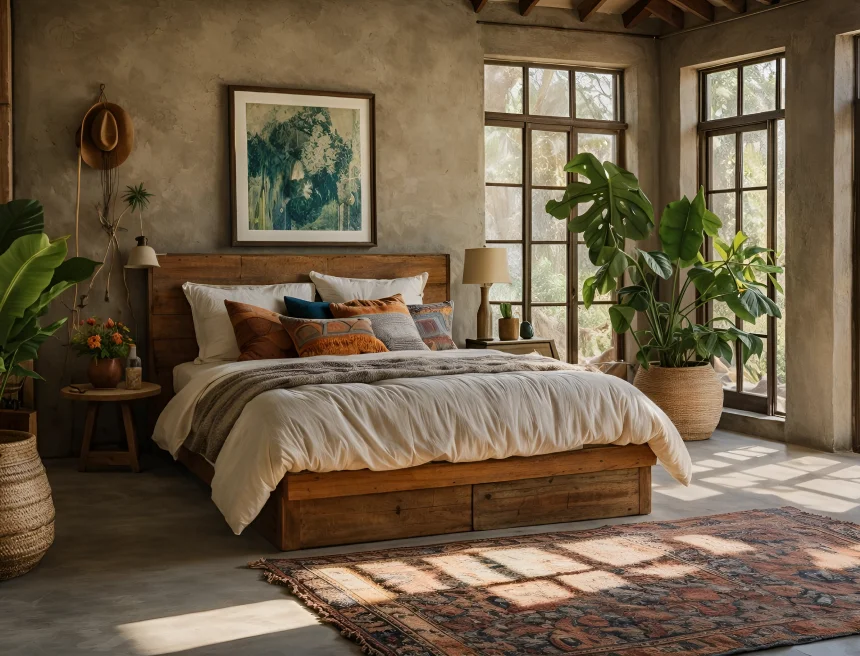
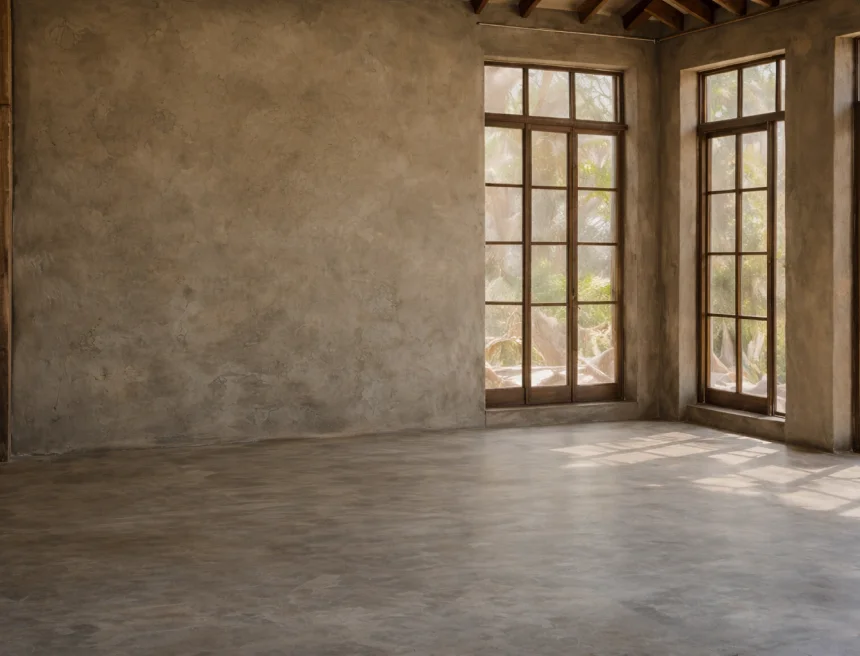
A demonstration of how white surfaces and natural materials open up a room.
Try Farmhouse Style on Your Space - Free
Instant AI generation with 100 free credits. No credit card needed.
Start Free NowTable of Contents
- What Defines Authentic Farmhouse Interiors?
- Room Reimaginings
- The Atmosphere Created
- Ideal Applications for Farmhouse Design
- Why It Remains Popular
- How RenoAI Visualizes
- Origins of Farmhouse Design
- Core Characteristics
- Color Palette Guide
- Furniture & Decor Selection
- Step-by-Step Guide
- Common Mistakes to Avoid
- 50+ Interior Transformations

See Farmhouse Charm Come to Life in Your Space
Upload your room photo and instantly preview cozy farmhouse textures, warm woods, and timeless rustic comfort.
Preview Farmhouse Style