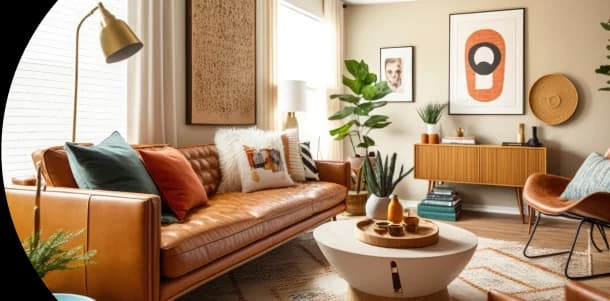
Gustavian Era Interior Design: Refined Nordic Elegance with Historic Roots
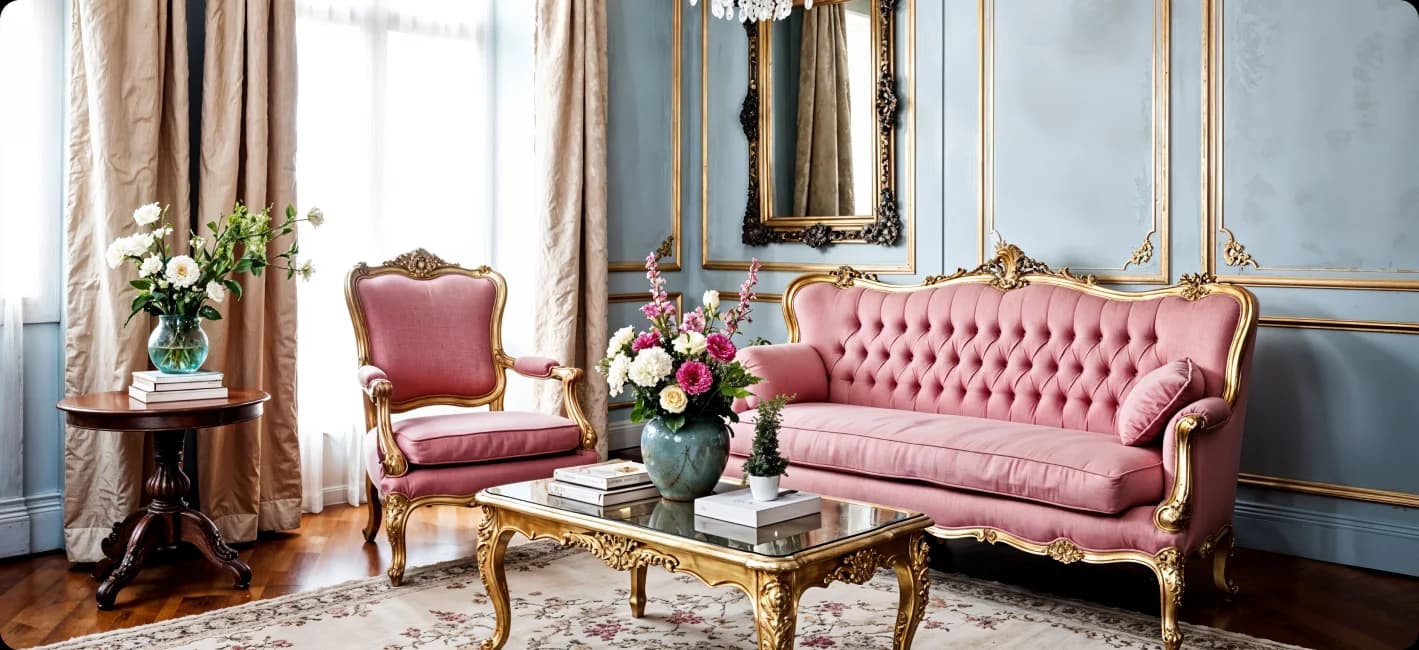
Gustavian design blends French neoclassical elegance with Scandinavian simplicity, featuring muted palettes, distressed furniture, delicate carvings, and airy layouts that create timeless interiors balancing classical sophistication with relaxed Nordic living.
What Defines Authentic Gustavian Interiors?
Gustavian design blends French neoclassical elegance with Scandinavian simplicity, featuring muted palettes, distressed furniture, delicate carvings, and airy layouts that create timeless interiors balancing classical sophistication with relaxed Nordic living.
- ·Pale, Sun-Softened Colors: Soft greys, powder blues, muted greens, and warm whites brighten interiors during long Nordic winters.
- ·Distressed Painted Finishes: Furniture often features lightly weathered paint, revealing wood beneath for historical character.
- ·Neoclassical Inspiration: Tapered legs, carved rosettes, fluted detailing, and symmetrical forms echo classical European design.
- ·Light-Filled Spaces: Large windows, reflective surfaces, and pale materials enhance natural daylight.
- ·Understated Decoration: Decor remains restrained, favoring craftsmanship, antique charm, and quiet elegance.
Gustavian design achieves beauty through balance and subtlety. Rather than dramatic luxury, it creates interiors that feel graceful, airy, and timeless.
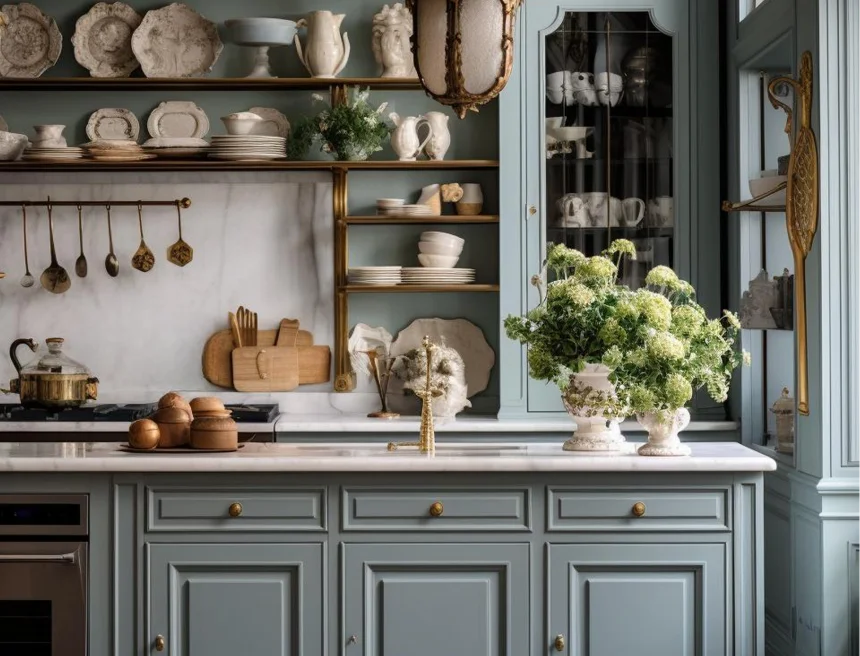
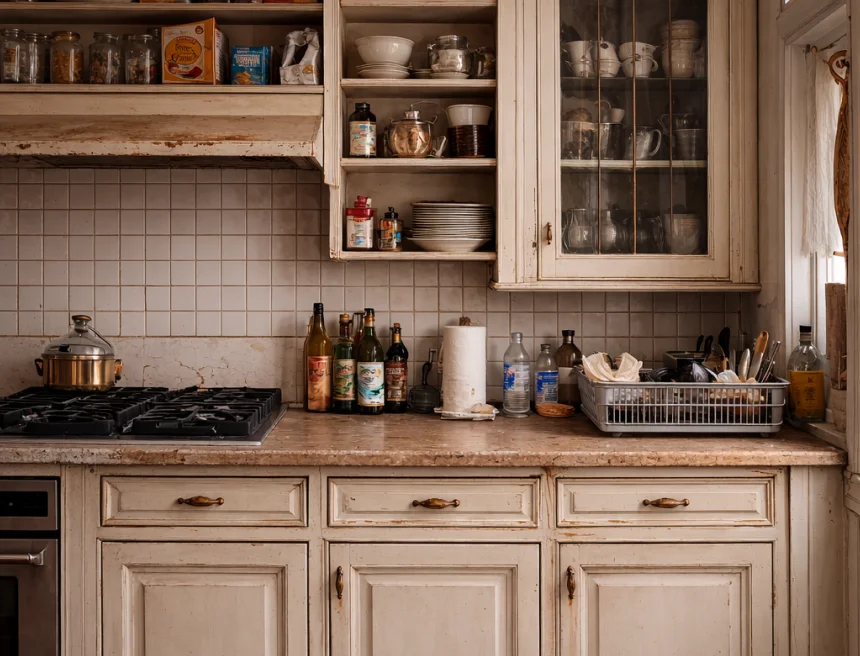
Soft colors, aged finishes, and gentle natural light work together to create interiors that feel relaxed yet historically sophisticated.
The Atmosphere Gustavian Interiors Create
Gustavian interiors create an atmosphere of quiet elegance and serene refinement. The style blends classical symmetry with the light, calming qualities of Scandinavian design, producing spaces that feel both graceful and welcoming.
- ·Elegant
- ·Calm
- ·Airy
- ·Timeless
- ·Softly Historic
The overall atmosphere is peaceful and refined interiors that feel bright, graceful, and quietly luxurious without appearing overly formal.
Ideal Applications for Gustavian Design
Gustavian design adapts beautifully to interiors that benefit from softness, light, and classical structure. Its pale palette and refined furniture forms make spaces feel brighter, calmer, and historically elegant. The style works especially well in interiors that emphasize natural light and graceful detailing. Gustavian Design Works Best In:
- ·Elegant living rooms
- ·Serene bedrooms
- ·Formal dining spaces
- ·Historic homes and renovations
- ·Boutique hotels and heritage properties
- ·Sophisticated apartment interiors
Rooms with high ceilings, tall windows, or classic architectural elements enhance the authenticity of Gustavian interiors. Even modern homes can adopt the style through pale palettes, distressed furniture, and delicate neoclassical accents.
Why Gustavian Interiors Remain Relevant Today?
Gustavian interiors continue to resonate because they balance historical elegance with modern minimalism. Their muted color palettes and light finishes align naturally with contemporary preferences for calm, breathable spaces. Subtle ornamentation complements modern interiors without overpowering them.
Two major interpretations shape Gustavian-inspired spaces today:
Both approaches preserve the essence of the style: graceful symmetry, pale tones, and refined craftsmanship that create interiors that feel timeless rather than trend-driven.
How RenoAI Visualizes Gustavian Interiors Instantly
Transform a modern room into a refined Gustavian interior in seconds using RenoAI’s intelligent visualization engine.
Gustavian interiors reflect a rare balance between classical European refinement and Scandinavian simplicity.
Pale color palettes, lightly distressed finishes, and elegant furniture forms create spaces that feel calm, graceful, and historically inspired.
Rather than relying on heavy ornamentation, the style emphasizes soft tones, natural light, and carefully crafted details that highlight timeless craftsmanship. Gustavian design brings together symmetry, texture, and subtle decorative accents to produce interiors that feel both sophisticated and welcoming.
Through RenoAI’s visualization technology, these refined elements can be explored instantly, helping homeowners and designers understand how Gustavian elegance can transform a modern space with clarity and confidence.
The Origins of Gustavian Design: Swedish Elegance Inspired by Neoclassicism
Gustavian design emerged in Sweden during the late eighteenth century under the reign of King Gustav III. After visiting France and Italy, the monarch introduced neoclassical ideas to Sweden, encouraging a style that reflected European sophistication while adapting to Nordic conditions.
Instead of the opulence seen in French royal interiors, Swedish craftsmen interpreted the aesthetic through lighter colors, simpler ornamentation, and practical materials suited to northern homes.
Furniture featured delicate carvings, tapered legs, and painted finishes designed to brighten interiors during long Scandinavian winters. Pale greys, soft blues, and chalky whites replaced heavy golds and deep tones.
Architecture and interior décor evolved together, producing interiors defined by symmetry, craftsmanship, and restrained elegance.
Today, Gustavian design remains admired for its ability to combine classical refinement with the calm simplicity associated with Scandinavian living.
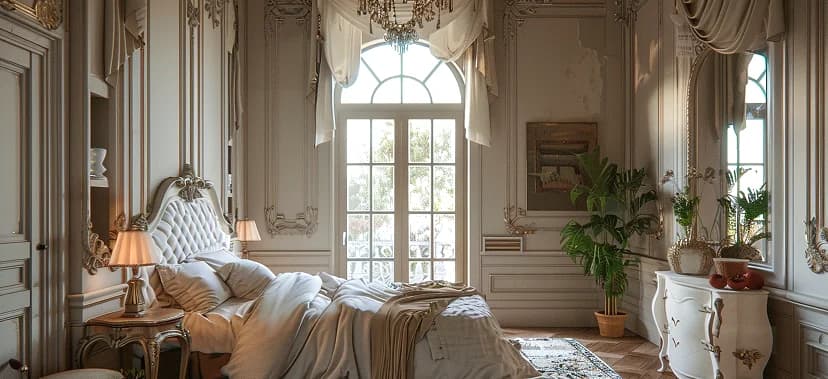
Core Characteristics of Gustavian Interiors
Gustavian interiors are defined by a refined balance between neoclassical elegance and Scandinavian restraint. The style focuses on light color palettes, delicate craftsmanship, and graceful furniture forms that create calm, sophisticated spaces.
Below are the defining elements that shape authentic Gustavian interiors.
1. Pale Nordic Color Foundations
Light colors brighten interiors and enhance natural light.
- ·Soft whites
- ·Dove grey
- ·Dusty blue
- ·Muted sage
- ·Warm ivory tones
These hues create the airy atmosphere associated with Scandinavian heritage homes.
2. Distressed Painted Finishes
Furniture often features gently aged surfaces.
- ·Chalky painted wood
- ·Lightly weathered textures
- ·Soft matte finishes
- ·Visible natural wood beneath paint
These finishes add historical character without heaviness.
3. Neoclassical Furniture Details
Gustavian furniture reflects classical European influence.
- ·Tapered legs
- ·Fluted columns
- ·Carved rosettes
- ·Subtle decorative moldings
The forms are elegant yet restrained.
4. Natural Textiles and Soft Layers
Textiles maintain comfort and visual softness.
- ·Linen upholstery
- ·Cotton drapery
- ·Neutral woven rugs
- ·Soft layered bedding
Fabrics remain light and breathable.
5. Balanced and Symmetrical Layouts
Room arrangements emphasize order and harmony.
- ·Paired furniture pieces
- ·Centered focal points
- ·Even spacing
- ·Clear visual structure
Symmetry reinforces the classical roots of the style.
Gustavian Color Palette Guide
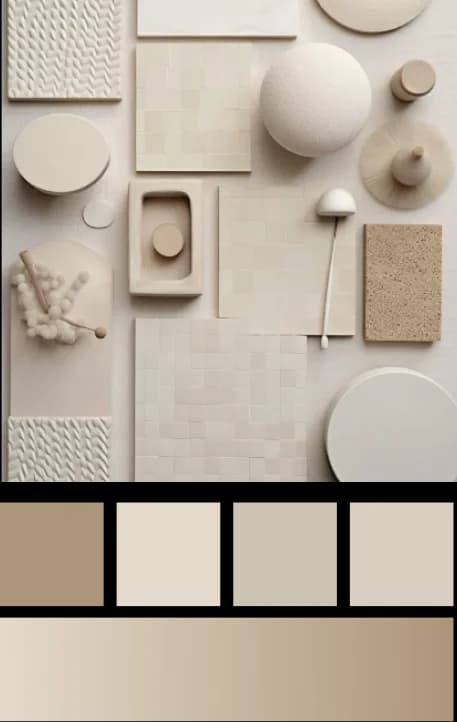
Gustavian interiors rely on soft, light-reflective colors that brighten spaces while maintaining historic elegance. The palette is inspired by Scandinavian daylight, aged plaster walls, and weathered painted furniture.
Base Colors
These tones form the calm foundation of Gustavian interiors.
- Whites & Off-Whites
- Beige & Cream Tones
- Greys & Greige
- Soft Browns
- Muted Natural Neutrals
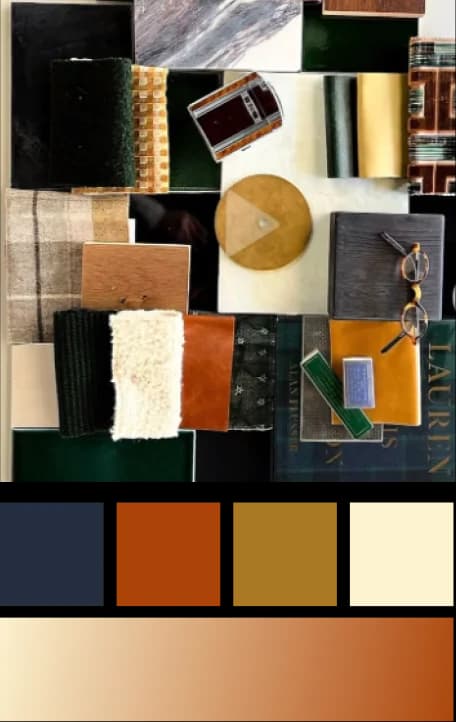
Heritage Accent Tones
Subtle colors add depth while preserving softness.
- Royal Reds & Maroons
- Classic Blues
- Heritage Greens
- Mustard & Ochre Tones
- Earthy Browns & Warm Neutrals
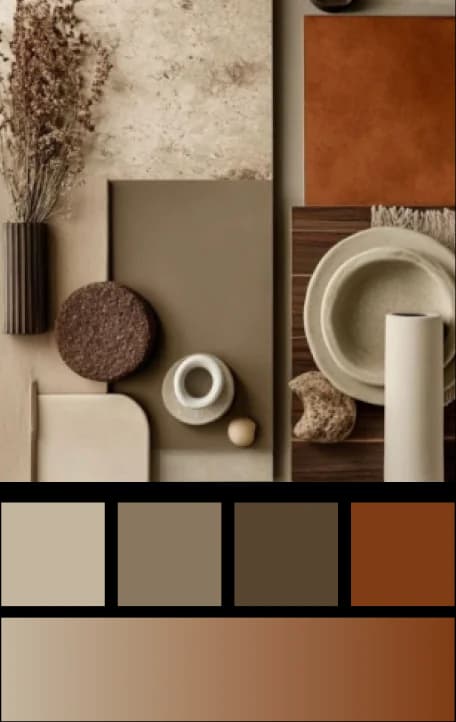
Natural Material Undertones
Warm materials balance the pale palette.
- Wood Undertones
- Stone & Concrete Undertones
- Marble Undertones
- Clay & Earth Undertones
- Metal Undertones
How to Choose Furniture and Decor for Gustavian Style Homes?
Furniture in Gustavian interiors reflects the influence of French neoclassical design while maintaining Scandinavian simplicity. Pieces are elegant yet restrained, with delicate carvings and pale painted finishes.
Gustavian furniture and décor combine classical elegance with Nordic restraint. The result is a space that feels refined, historic, and gracefully understated.
Elegant Seating
Seating emphasizes graceful forms and light finishes.
- Painted wooden chairs with carved backs
- Linen-upholstered armchairs
- Light wood benches
- Upholstered settees with tapered legs
Comfort and refinement remain equally important.
Painted Antique Cabinets & Tables
Storage and tables highlight craftsmanship.
- Distressed painted dressers
- Light oak side tables
- Carved console tables
- Antique display cabinets
Soft painted surfaces reinforce the historical aesthetic.
Delicate Decorative Accents
Decor complements the refined atmosphere.
- Antique mirrors with carved frames
- Ceramic vases and urns
- Candle holders in brass or silver
- Classical sculptures or busts
Decor remains elegant and minimal rather than ornate.
Soft Textile Elements
Textiles maintain warmth and comfort.
- Linen drapery
- Cotton throws
- Neutral woven rugs
- Light patterned upholstery
These materials soften the architectural symmetry of Gustavian interiors.
How to Create a Gustavian Interior: Step-by-Step Guide
Transform your space with Nordic elegance using these practical, design-focused steps.
Start with Soft, Light Walls
Gustavian interiors begin with pale, calming surfaces that reflect natural light.
Muted Nordic Paint Tones
Soft greys, antique white, or pale stone shades brighten interiors beautifully.
Powder Blue Feature Wall
A gentle blue tone introduces subtle historical character.
Textured Plaster Finish
Light limewash or matte plaster adds depth while maintaining softness.
Panelled Wall Detailing
Simple wall paneling brings quiet classical structure.
Design Insight:
Light-toned walls are essential in Gustavian interiors. They amplify natural light and create the serene atmosphere associated with Scandinavian heritage homes.
Introduce Distressed Painted Furniture
Furniture with aged finishes defines Gustavian character.
Chalk-Painted Cabinets
Soft white or grey painted surfaces with lightly worn edges.
Distressed Wooden Dressers
Antique-inspired storage with weathered paint layers.
Painted Dining Chairs
Delicate carved chairs finished in pale tones.
Vintage Console Tables
Slim wooden consoles with subtle aging.
Gustavian furniture should feel gently aged rather than newly polished. Subtle distressing enhances authenticity and historic charm.
Embrace Neoclassical Furniture Shapes
Elegant classical forms guide furniture selection.
- ·Slender tapered wooden legs
- ·Delicate carved rosette details
- ·Fluted legs and columns
- ·Graceful curved arm profiles
- ·Symmetrical furniture visual balance
Classical frames are inherently proportional.
Layer Soft Nordic Textiles
Introduce comfort through soft textures.
- ·Linen upholstery for seating
- ·Light cotton window drapes
- ·Neutral woven area rugs
- ·Soft layered bedding fabrics
- ·Subtle patterned textile accents
Airy textiles invite soft daylight to filter gracefully.
Incorporate Antique-Inspired Decor
Decor adds subtle historical elegance.
Carved Frame Mirrors
Large mirrors with lightly aged wood frames.
Classical Bust Sculptures
Small decorative pieces inspired by European heritage.
Ceramic Urns and Vases
Neutral pottery accents for soft texture.
Brass or Silver Candlesticks
Traditional lighting elements that reinforce period charm.
Decor in Gustavian interiors should feel curated and restrained, emphasizing craftsmanship over excess ornamentation.
Maintain Balanced Symmetry
Balanced layouts reinforce classical harmony.
- ·Matching armchairs beside sofa
- ·Paired lamps on tables
- ·Symmetrical artwork wall arrangements
- ·Balanced console table styling
- ·Even decorative object placement
Order is the anchor of Gustavian elegance.
Highlight Natural Light
Natural daylight brightens Gustavian interiors.
- ·Tall windows invite daylight
- ·Sheer curtains diffuse sunlight
- ·Mirrors reflect natural brightness
- ·Light surfaces enhance illumination
- ·Minimal window treatment styling
Lighting should always focus on daytime freshness.
Introduce Natural Wood Accents
Warm wood tones balance the palette.
- ·Light oak accent tables
- ·Weathered pine decorative details
- ·Antique wooden frame mirrors
- ·Natural wood flooring finishes
- ·Handcrafted wooden decorative objects
It echoes the connection to Nordic craftsmanship.
Keep Decorative Elements Minimal
Restraint preserves elegant Nordic simplicity.
Curated decorative statement pieces
Keep tabletops mostly clear
Avoid overcrowded decor arrangements
Display objects thoughtfully spaced
Maintain calm visual balance
Minimalism through antique elements defines the style.
Preserve the Calm Atmosphere
The final step ensures visual harmony.
Balanced Furniture Layout
Maintain open pathways and symmetry.
Soft Color Continuity
Repeat pale tones throughout the room.
Consistent Material Palette
Limit materials for cohesive design.
Relaxed, Elegant Styling
Focus on calmness rather than drama.
Gustavian interiors succeed when every element contributes to quiet elegance and timeless Nordic charm.
7 Common Mistakes to Avoid in Gustavian Interiors
Mistake #1: Using Overly Dark Color Palettes
Gustavian interiors rely on pale, light-reflective tones. Dark walls, heavy wood stains, and deep saturated colors remove the airy Nordic quality that defines the style.
Correction: Use soft whites, pale greys, dusty blues, and muted neutrals. These colors enhance daylight and maintain the calm elegance associated with Gustavian interiors.
Mistake #2: Choosing Heavy Ornate Furniture
Bulky furniture with excessive carving or baroque detailing can overwhelm the refined simplicity of Gustavian spaces and break the balanced visual harmony.
Correction: Select furniture with slender legs, delicate carvings, and light painted finishes that reflect neoclassical influence while maintaining Scandinavian restraint.
Mistake #3: Ignoring Distressed Finishes
Perfectly polished furniture removes the historic charm that gives Gustavian interiors their character and authenticity.
Correction: Introduce lightly aged painted surfaces or chalky finishes that reveal subtle wood undertones and create a sense of timeless craftsmanship.
Mistake #4: Overdecorating the Space
Too many decorative objects create clutter and disrupt the calm, balanced atmosphere Gustavian interiors are known for.
Correction: Curate decor carefully. Choose a few meaningful pieces such as mirrors, ceramics, or antique-inspired accessories and allow space around them.
Mistake #5: Using Heavy Fabrics
Velvet, thick brocade, and dark upholstery feel visually heavy and contradict the soft, breathable character of Gustavian interiors.
Correction: Use linen, cotton, and other natural fabrics in light neutral tones to keep the environment fresh and comfortable.
Mistake #6: Forgetting Symmetry in Layouts
Random furniture placement can make the space feel unbalanced and remove the classical elegance central to Gustavian design.
Correction: Arrange furniture in balanced compositions using pairs of chairs, matching tables, or centered decorative elements.
Mistake #7: Blocking Natural Light
Large furniture pieces or heavy window treatments can prevent natural light from enhancing the pale palette of Gustavian interiors.
Correction: Keep windows clear, use sheer curtains, and position mirrors strategically to reflect daylight throughout the room.
Preserving the soft and calm environment depends on light finishes, minimal decor, paired symmetry, and honoring its rustic Nordic charm.
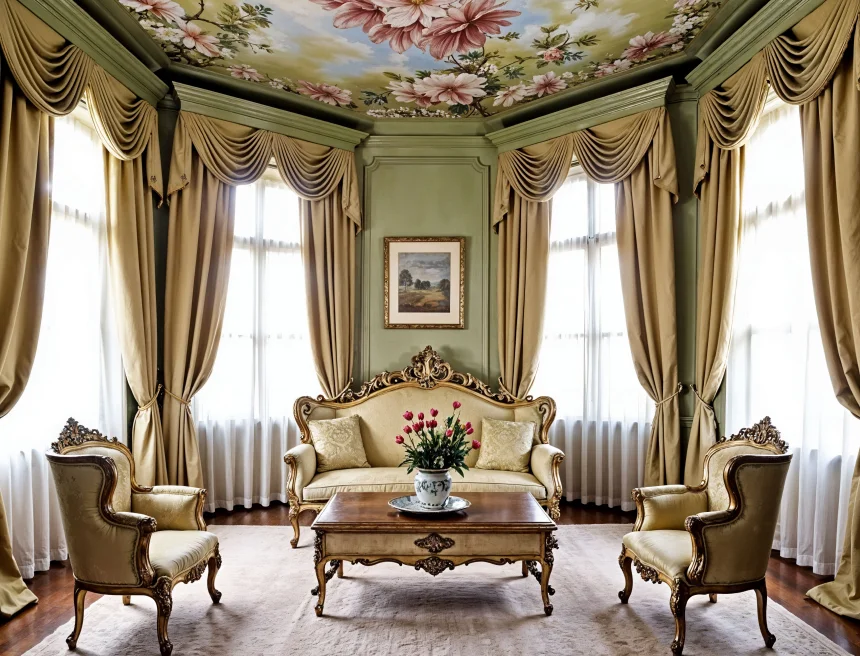
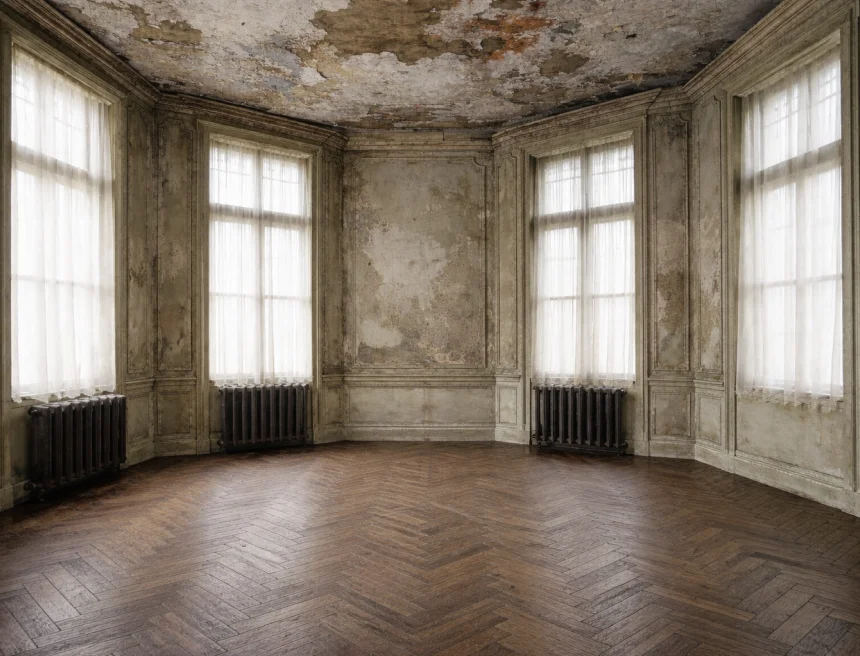
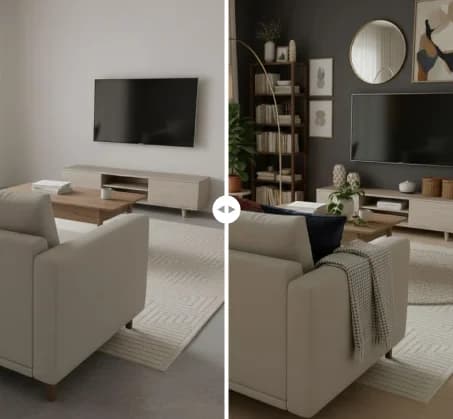
50+ Gustavian Interior Transformations
Discover how ordinary rooms can evolve into serene Nordic spaces inspired by Gustavian elegance. All before after images of normal room to Gustavian room.
Try Gustavian Style on Your Space - Free
Instant AI generation with 100 free credits. No credit card needed.
Visualize Gustavian StyleTable of Contents
- What Defines Authentic Gustavian Interiors?
- The Atmosphere Gustavian Interiors Create
- Ideal Applications for Gustavian Design
- Why Gustavian Interiors Remain Relevant Today?
- How RenoAI Visualizes Gustavian Interiors Instantly
- The Origins of Gustavian Design: Swedish Elegance Inspired by Neoclassicism
- Core Characteristics of Gustavian Interiors
- Gustavian Color Palette Guide
- How to Choose Furniture and Decor for Gustavian Style Homes?
- How to Create a Gustavian Interior: Step-by-Step Guide
- 7 Common Mistakes to Avoid in Gustavian Interiors
- 50+ Gustavian Interior Transformations

Experience Gustavian Elegance in Your Own Space
Upload a room photo and instantly preview how soft Nordic colors, distressed furniture, and graceful symmetry can transform your space.
Visualize Gustavian Style