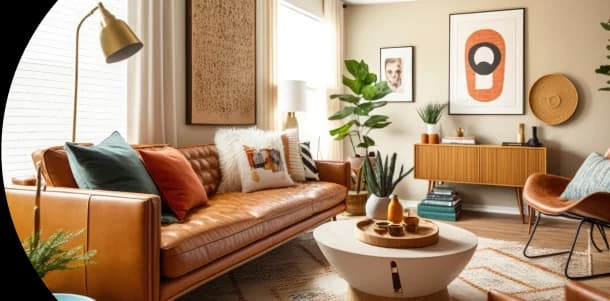
Minimalist Interior Design: Simplicity, Space, and Intentional Living
Minimalist interior design emphasizes simplicity, clean lines, open space, and purposeful living. Neutral colors, natural light, and functional furniture create calm, clutter-free environments where every element feels intentional and visually balanced.
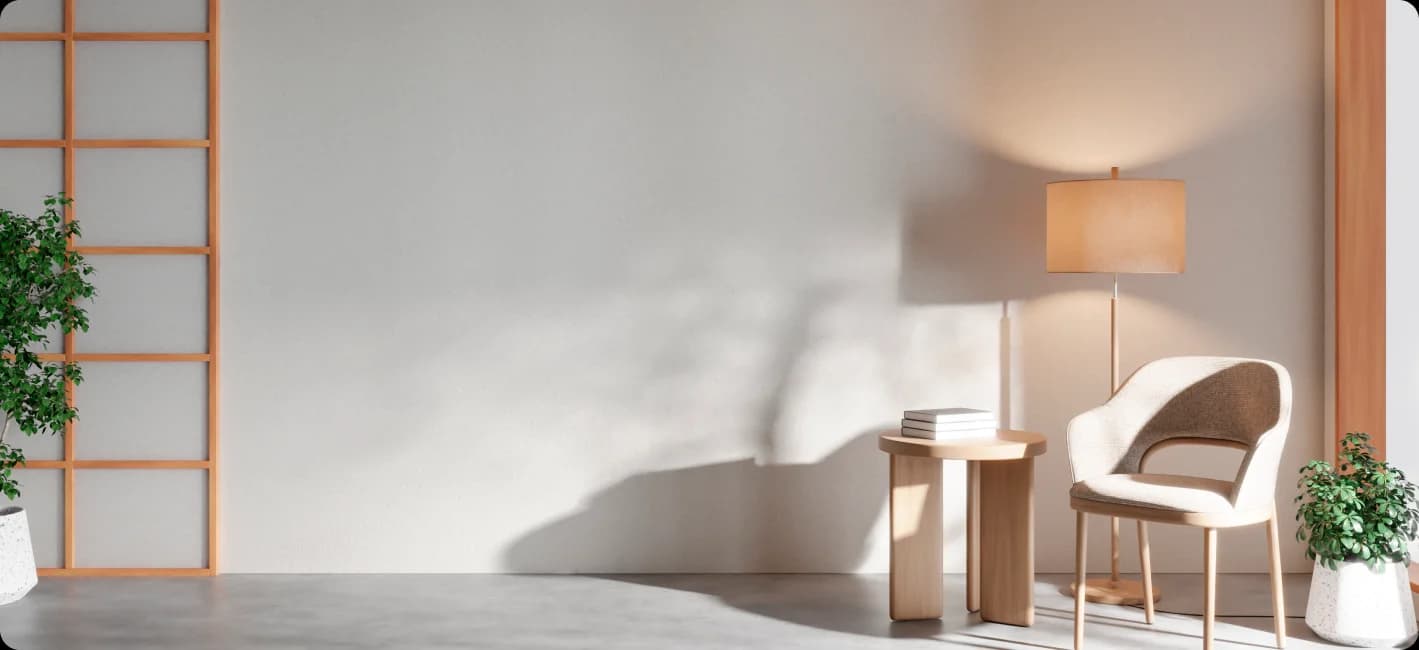
What Defines Minimalist Interiors?
Minimalist design is built on the philosophy of 'less is more.' By prioritizing clarity and purpose, it creates environments that feel restorative, organized, and intellectually calm.
- ·Try Minimalist Style on Your Room - Free
- ·See 50+ Minimalist Style Examples
- ·100 Free Credits
- ·Instant Al results (30 sec)
- ·No credit card needed
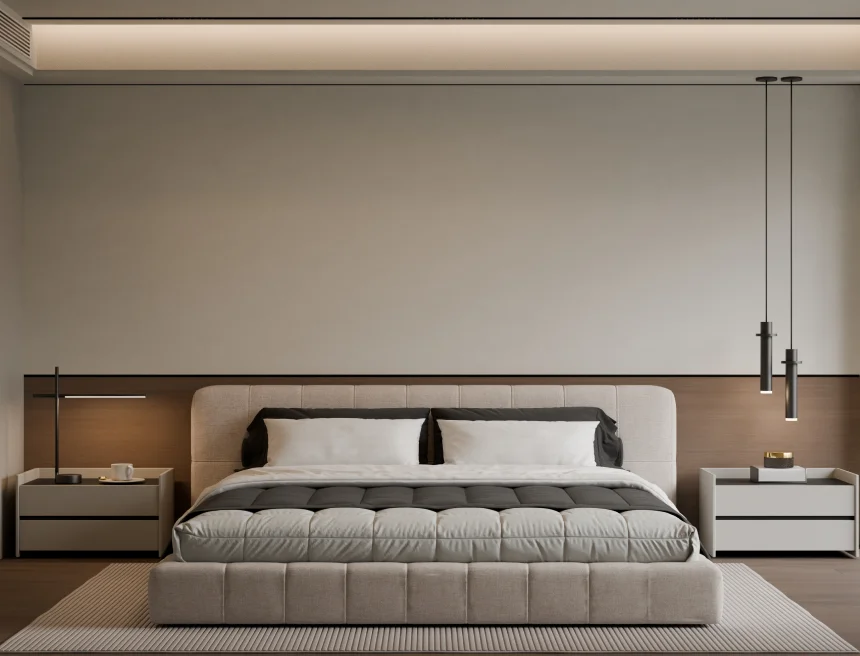
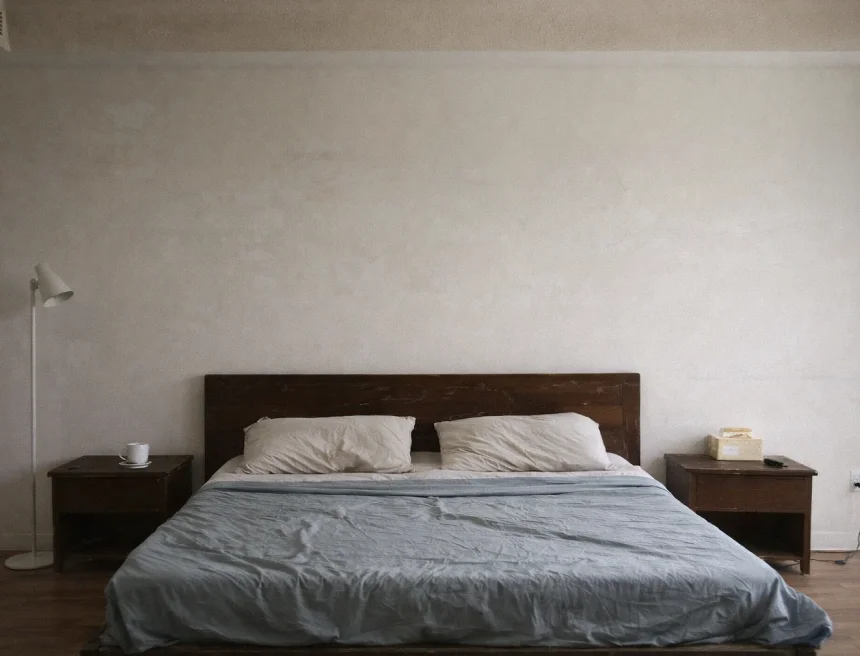
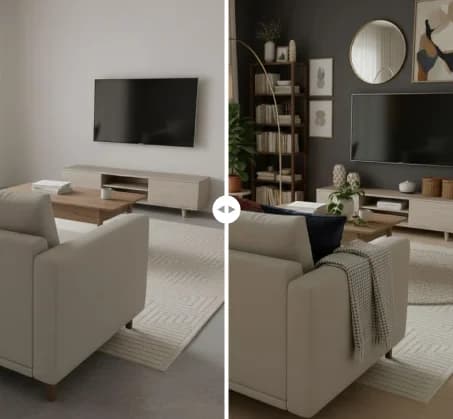
Experience the transition from a busy room to a restorative minimalist environment where every element is intentional and balanced.
The Essence of Minimalist Design
Minimalism is about the refinement of space to its most essential elements. It is not merely the absence of objects, but the presence of intention. Every line, surface, and color is chosen to support a sense of physical and mental clarity.
In a Minimalist home, the architecture and the space itself become the primary features. Design is used to enhance the feeling of openness and light, creating a quiet background for daily life.
What Defines Authentic Minimalist Interiors:
Clarity Through Simplicity
Design elements remain limited, allowing space itself to become a key feature.
Functional Design Choices
Furniture and décor are selected for purpose rather than decoration.
Clean Architectural Lines
Straight lines and geometric forms create visual order and calmness.
Neutral Color Foundations
Soft whites, beiges, and light grays maintain a peaceful atmosphere.
Intentional Material Use
Natural wood, stone, and matte finishes add subtle texture without clutter.
Minimalist interiors focus on quality over quantity. By removing unnecessary elements, the space feels lighter, more organized, and visually harmonious.
The Atmosphere Minimalist Design Creates
Minimalist interiors create an atmosphere of calm, clarity, and visual balance. By reducing unnecessary elements and emphasizing open space, the design allows the room to feel light, organized, and mentally refreshing. Instead of visual noise, the environment promotes focus, relaxation, and simplicity.
- ·Calm
- ·Clean
- ·Spacious
- ·Balanced
- ·Peaceful
- ·Refined
The overall atmosphere is quiet and composed spaces that encourage clarity, comfort, and intentional living.
Ideal Applications for Minimalist Design
Minimalist design works best in spaces that benefit from clarity, openness, and visual calm. Because the style reduces unnecessary elements, it allows rooms to feel larger, brighter, and more organized. The simplicity of minimalist interiors makes them highly adaptable across modern homes, apartments, and professional environments.
- ·Modern apartments and city homes
- ·Compact studio apartments
- ·Bedrooms focused on relaxation
- ·Home offices and workspaces
- ·Contemporary living rooms
- ·Wellness and meditation spaces
Why Minimalist Design Remains Relevant in 2026?
Minimalist interiors continue to grow in popularity because modern lifestyles increasingly prioritize clarity, functionality, and calm living environments. Clean architectural lines and neutral palettes align naturally with contemporary homes, while simplified layouts support flexible everyday living.
Two key interpretations shape minimalist interiors today:
Both interpretations maintain the essence of minimalist design: intentional simplicity supported by balanced space, light, and thoughtful material selection.
How RenoAI Visualizes Minimalist Interiors Instantly?
Transform any room into a calm, clutter-free minimalist environment using RenoAI’s AI-powered design visualization in a few guided steps.
RenoAI simplifies the process of designing minimalist interiors by analyzing your existing room and instantly generating clean, clutter-free layouts.
By combining neutral palettes, balanced furniture placement, and subtle material textures, the platform helps visualize calm and organized spaces before any real changes begin, allowing homeowners and designers to confidently refine minimalist concepts and achieve harmonious, functional interiors.
The Origins of Minimalist Design: Simplicity Inspired by Function and Balance
Minimalist design emerged during the mid-20th century as a response to decorative excess in traditional interiors. Influenced by modernist architecture, Japanese design philosophy, and functional art movements, the style emphasized simplicity, clarity, and purposeful living spaces.
Rather than filling rooms with ornamentation, minimalist interiors highlight the beauty of structure, materials, and proportion. Clean geometry, open layouts, and carefully chosen furnishings define the aesthetic.
Japanese principles such as Ma (negative space) and Wabi-Sabi (subtle beauty in simplicity) strongly shaped the philosophy behind minimalist environments.
Over time, minimalist interiors evolved alongside contemporary architecture, becoming a preferred approach for modern homes, studios, and urban apartments.
Today, minimalist design remains highly relevant because it supports organized living, mental clarity, and visually calm environments qualities increasingly valued in fast-paced modern lifestyles.
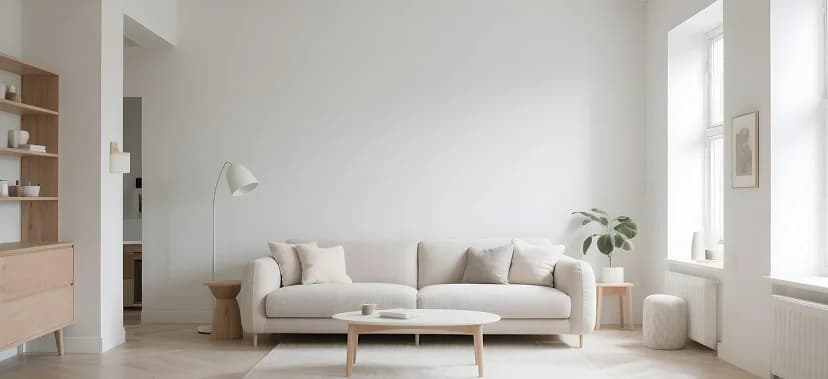
Core Characteristics of Minimalist Interiors
Minimalist interiors focus on clarity, simplicity, and intentional design. Instead of filling spaces with decorative objects, the style emphasizes open layouts, clean architectural lines, and carefully selected materials. The goal is to create environments that feel calm, organized, and visually balanced.
Minimalism is not about removing everything, it is about keeping only what serves a purpose. Each furniture piece, material, and design element contribute to a harmonious and functional space.
Clean and Uncluttered Spaces
Minimalist interiors prioritize openness and visual simplicity. Rooms are arranged to feel spacious and free from unnecessary objects.
- ·Clear surfaces and organized layouts
- ·Minimal decorative elements
- ·Open walking areas
- ·Balanced furniture placement
This approach allows the architecture and materials to become the focus.
Neutral and Soft Color Palettes
Color choices remain subtle and calming, helping maintain visual harmony across the space.
- ·Soft white
- ·Warm beige
- ·Light gray
- ·Pale stone tones
- ·Muted earth shades
These colors enhance natural light and create a peaceful atmosphere.
Simple and Functional Furniture
Furniture in minimalist interiors emphasizes functionality and clean form. Pieces are often streamlined and free of excessive ornamentation.
- ·Low-profile sofas
- ·Simple wooden tables
- ·Minimal storage units
- ·Clean-lined chairs
Each item supports both comfort and practicality.
Natural Materials and Subtle Textures
Minimalist spaces rely on materials to introduce warmth and depth without visual clutter.
- ·Natural wood
- ·Linen and cotton fabrics
- ·Stone surfaces
- ·Matte metals
- ·Ceramic accents
These materials add quiet texture while preserving the simplicity of the space.
Thoughtful Decorative Elements
Decoration remains minimal and intentional. Rather than filling shelves and surfaces, minimalist interiors display only a few carefully selected items.
- ·A single sculptural vase
- ·Simple framed artwork
- ·Minimal greenery
- ·Neutral ceramic objects
The focus remains on balance, proportion, and visual calm.
Minimalist Design Color Palette Guide
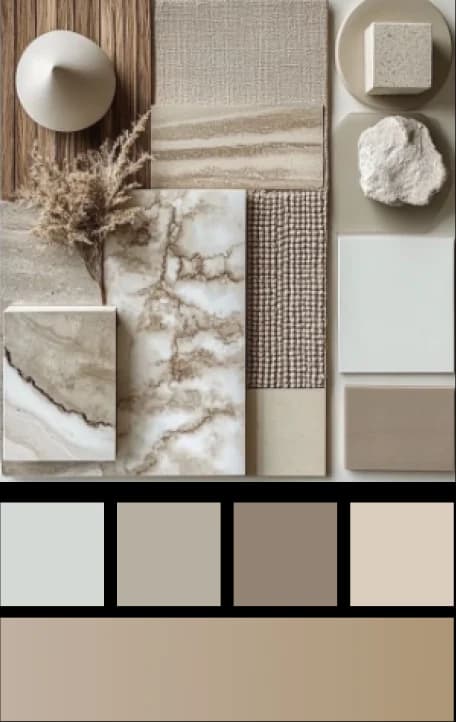
Minimalist interiors rely on restrained color palettes that promote calm and visual clarity. Instead of bold contrasts or decorative patterns, minimalist design uses subtle tonal variations that allow light, materials, and architecture to define the character of the space. The palette is typically neutral and balanced, ensuring the environment feels open, bright, and visually harmonious.
Base Neutral Colors
The core of the minimalist look.
- Ivory
- Warm Beige
- Soft Gray
- Taupe
- Sand
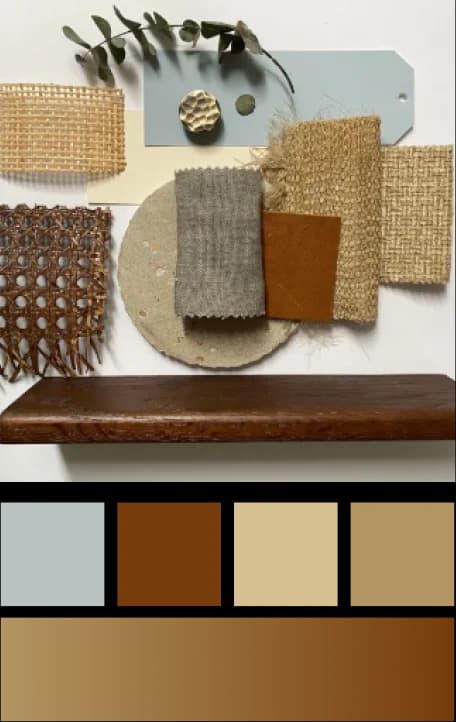
Natural Material Tones
Tones derived from organic sources.
- Driftwood
- Stone Beige
- Clay
- Bamboo
- Linen
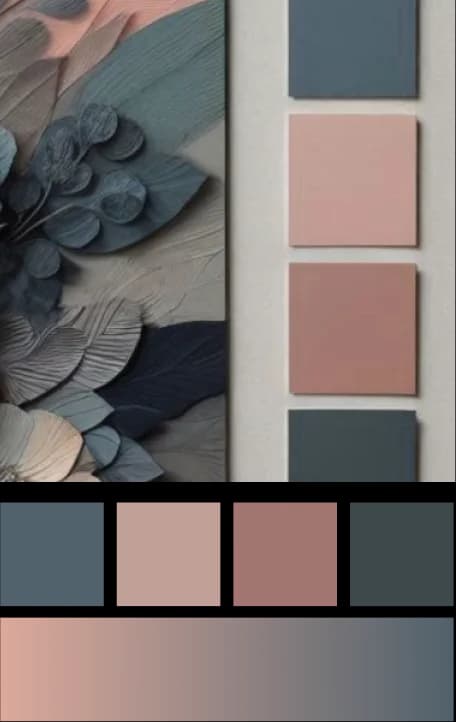
Subtle Contrast Accents
Used sparingly for definition.
- Muted Teal
- Dusty Mauve
- Warm Slate
- Sage Gray
- Soft Cocoa
How to Choose Furniture and Decor for Minimalist Interiors?
Furniture and décor in minimalist interiors focus on simplicity, functionality, and thoughtful restraint. Rather than filling a room with decorative pieces, minimalist design emphasizes a few well-chosen elements that support both comfort and visual clarity.
Every object should serve a clear purpose while contributing to the calm and balanced aesthetic of the space.
Simple and Functional Furniture
Minimalist furniture prioritizes clean silhouettes and practical use. Pieces are often designed with straight lines and uncluttered forms.
- Low-profile sofas with neutral upholstery
- Simple wooden dining tables
- Minimal coffee tables with clean edges
- Compact storage units with concealed compartments
These pieces maintain visual simplicity while supporting everyday living.
Natural and Neutral Materials
Materials in minimalist interiors remain understated and organic. Natural finishes add warmth while preserving the overall simplicity of the space.
- Light oak or ash wood
- Linen and cotton fabrics
- Matte metal finishes
- Stone or ceramic surfaces
These materials introduce subtle texture without overwhelming the design.
Clean and Practical Storage
Storage plays an important role in maintaining the uncluttered appearance of minimalist interiors.
- Built-in shelving units
- Hidden storage cabinets
- Wall-mounted storage systems
- Minimal open shelving
Organized storage keeps surfaces clear and preserves visual calm.
Intentional Decorative Elements
Decor in minimalist spaces is minimal and carefully selected. Instead of many small items, the design focuses on a few statement pieces.
- A single sculptural vase
- Simple framed artwork
- Neutral ceramic objects
- Minimal indoor plants
Each decorative item should enhance the atmosphere without creating visual clutter.
How to Create a Minimalist Interior: Step-by-Step Guide?
Achieve the 'less is more' aesthetic with these structured design steps.
Establish a Calm Neutral Base
Minimalist interiors begin with quiet visual foundations.
- ·Soft neutral wall palette
- ·Warm white or beige walls create calm
- ·Natural wood surface accents
- ·Light oak finishes introduce subtle warmth
- ·Subtle tonal color layering
- ·Matte material finishes
Design Insight: Neutral foundations highlight architecture and calm spatial flow.
Select Clean Functional Furniture
Minimalist interiors rely on purposeful, simplified furniture pieces.
- ·Low profile seating pieces
- ·Straight lined sofas keep layouts visually open
- ·Streamlined dining table forms
- ·Simple tables emphasize function and visual clarity
- ·Hidden storage furniture units
- ·Cabinets conceal clutter
- ·Neutral upholstered accent seating
Design Insight: Purposeful furniture reduces clutter and supports minimalist balance.
Maintain Open and Spacious Layouts
Open layouts emphasize visual clarity.
- ·Leave generous walking space
- ·Avoid overcrowding room layouts
- ·Maintain clear visual lines
- ·Space furniture thoughtfully apart
- ·Highlight architectural room structure
Limit Decorative Elements Carefully
Decor should remain simple.
- ·Display single sculptural decor
- ·Choose simple abstract artwork
- ·Use neutral ceramic objects
- ·Add minimal indoor greenery
- ·Avoid excessive decorative accessories
Introduce Natural Materials Carefully
Natural textures warm minimalist interiors without visual clutter.
- ·Light wood material accents (Oak, Ash)
- ·Soft neutral fabric layers
- ·Linen and cotton textiles soften surfaces
- ·Stone and ceramic finishes
- ·Woven texture elements (Rugs, Baskets)
Design Insight: Natural materials bring warmth without disrupting minimalist clarity.
Keep Surfaces Clean and Organized
Clear surfaces reinforce visual calm.
- ·Avoid clutter on tables
- ·Store items inside cabinets
- ·Maintain organized storage systems
- ·Keep shelves visually minimal
- ·Preserve open surface space
Maximize Natural Lighting
Natural light enhances minimalist spaces.
- ·Use sheer curtains softly
- ·Keep windows visually unobstructed
- ·Reflect light using mirrors
- ·Avoid heavy window coverings
- ·Maintain bright airy interiors
Introduce Subtle Texture Layers
Textures prevent cold minimal interiors.
- ·Neutral rugs soften flooring
- ·Linen cushions add softness
- ·Wool throws introduce warmth
- ·Woven baskets add texture
- ·Matte finishes maintain harmony
Maintain Consistent Material Palette
Consistency strengthens minimalist visual harmony.
- ·Repeat wood tones consistently
- ·Maintain neutral color palette
- ·Balance materials across rooms
- ·Avoid mixing excessive finishes
- ·Keep materials simple throughout
Refine and Simplify the Space
Minimalist interiors evolve through thoughtful editing and restraint.
- ·Remove unnecessary decorative objects
- ·Keep only items serving purpose or beauty
- ·Maintain open surface areas
- ·Balance furniture spacing carefully
- ·Preserve consistent material palette
Design Insight: Editing spaces carefully preserves calm and intentional simplicity.
7 Common Mistakes to Avoid in Minimalist Interior Design
Minimalism is difficult to get right. Without careful balance, it can feel unfinished or uninviting. Avoid these common pitfalls.
Mistake #1: Sterile Atmospheres
All-white rooms with zero texture feel like an office or hospital.
Correction: Introduce soft textures like linen, wool, and natural wood.
Mistake #2: Ignoring Material Quality
In a minimal room, every piece is highly visible. Cheap materials show immediately.
Correction: Invest in high-quality craftsmanship and material honesty.
Mistake #3: Bulky Furniture Choices
Choosing bulky furniture reduces openness and interrupts minimalist spatial flow.
Correction: Select low profile furniture with simple clean silhouettes instead.
Mistake #4: Ignoring Storage Needs
Ignoring storage solutions causes clutter that contradicts minimalist design principles.
Correction: Use hidden storage to maintain clean organized interior surfaces.
Mistake #5: Overlooking Natural Light
Natural lighting makes minimalist interiors feel flat and lifeless.
Correction: Maximize daylight using sheer curtains and unobstructed window areas.
Mistake #6: Mixing Too Many Materials
Mixing too many materials weakens the simplicity of minimalist interiors.
Correction: Limit materials to few natural finishes for consistent visual harmony.
Mistake #7: Decorating Every Surface
Decorating every surface removes the breathing space minimalist interiors require.
Correction: Leave surfaces partially empty to maintain openness and visual calm.
Mistake #8: Following Trends Over Simplicity
Following trends instead of simplicity weakens the timeless minimalist aesthetic.
Correction: Focus on timeless forms materials and intentional design decisions.
Minimalist interiors succeed when precision, quality, and intention are the guiding stars.
Minimalist Interior Transformations
Explore inspiring before-and-after transformations where cluttered spaces evolve into calm, balanced minimalist interiors through clean layouts, neutral palettes, and intentional design choices.
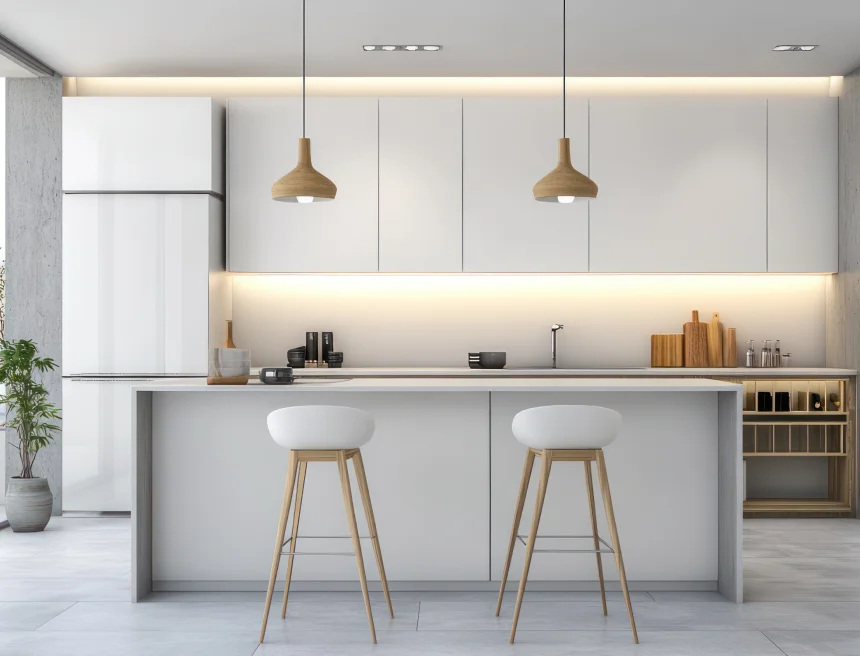
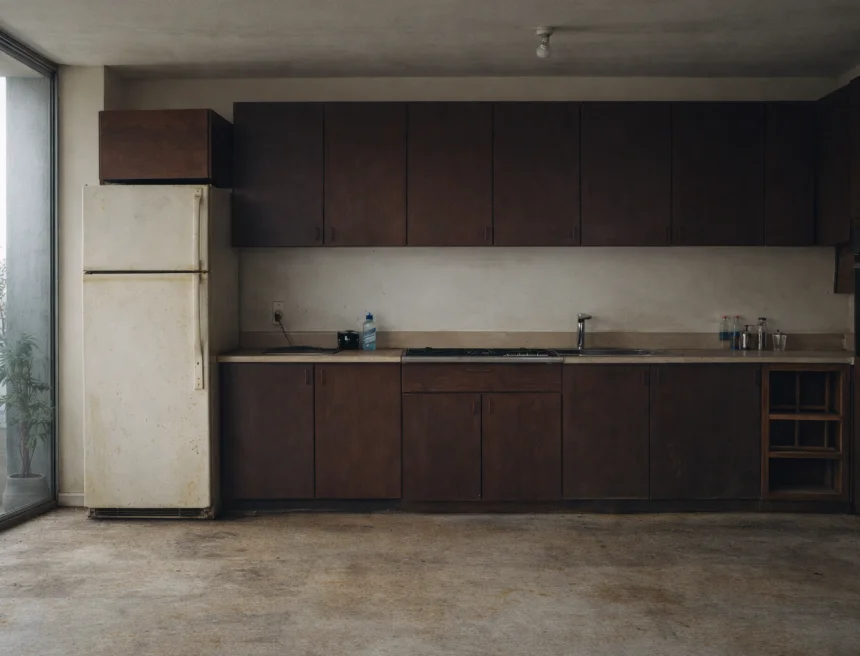
From a crowded space to a serene, light-filled sanctuary.
Try Minimalist Style on Your Space- Free
Instant AI generation with 100 free credits. No credit card needed.
Start Free NowTable of Contents

Experience the Calm of Minimalist Design
Upload your photo and see how RenoAI translates your room into a clean, purposeful, and light-filled minimalist sanctuary.
Preview Minimalist Now