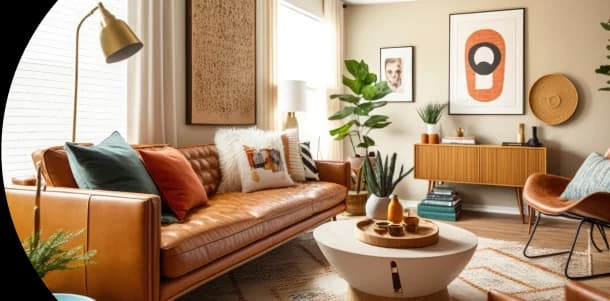
Luxury Interior Design: Elevated Living Defined by Detail
Luxury interior design is defined by refinement, craftsmanship, and intentional detail. It is not about excess- it is about precision. Every material, finish, and proportion are carefully selected to create an environment that feels elevated, balanced, and timeless.
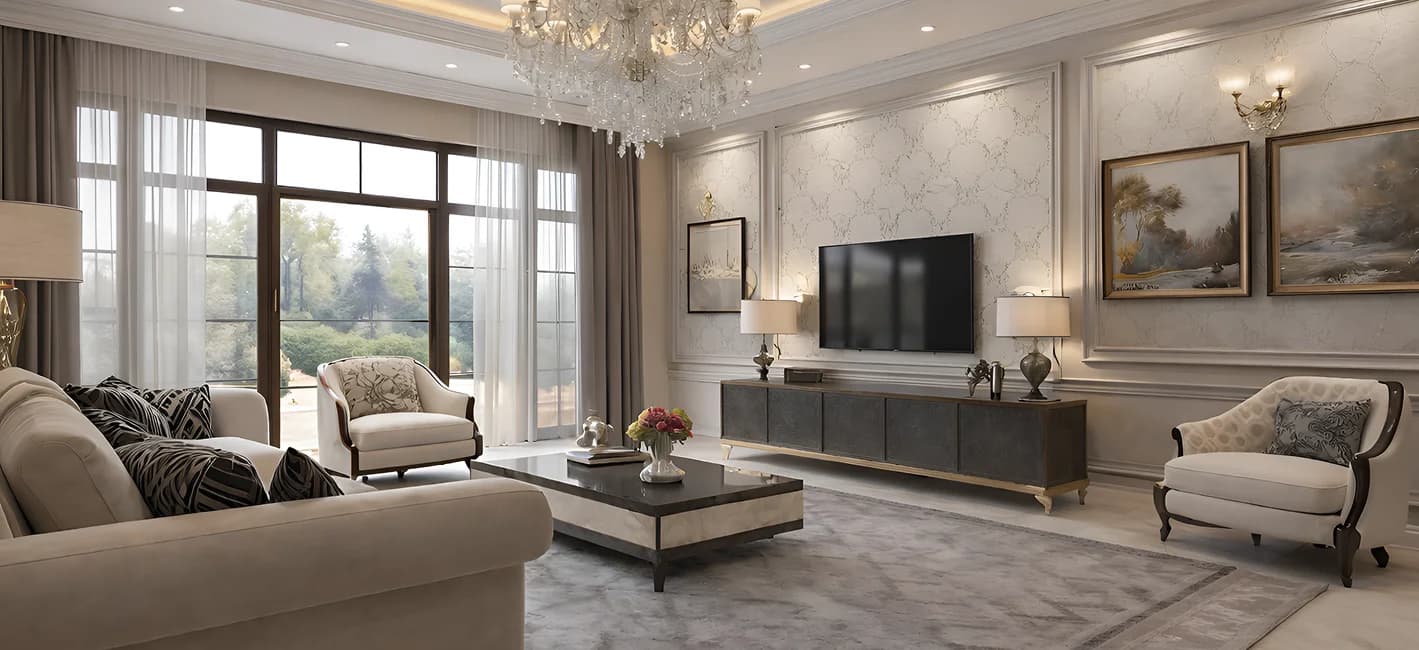
What Defines Luxury Design?
True luxury interiors prioritize quality over quantity. Natural stone, custom millwork, premium textiles, and curated lighting establish depth and sophistication. Architectural framing, seamless transitions, and layered textures create harmony without visual clutter. The atmosphere of a luxury space feels calm yet powerful. It reflects confidence through restraint, where elegance emerges from proportion, scale, and thoughtful composition. Luxury design adapts across modern, contemporary, and classic aesthetics, but its foundation remains consistent: superior materials, refined detailing, and purposeful spatial planning. The result is an interior that feels enduring, immersive, and distinctly elevated.
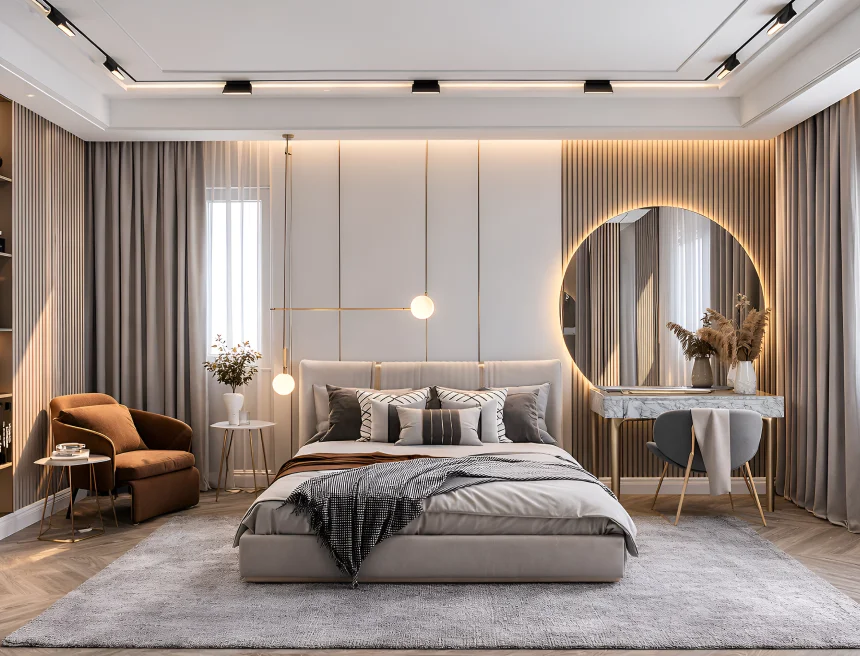
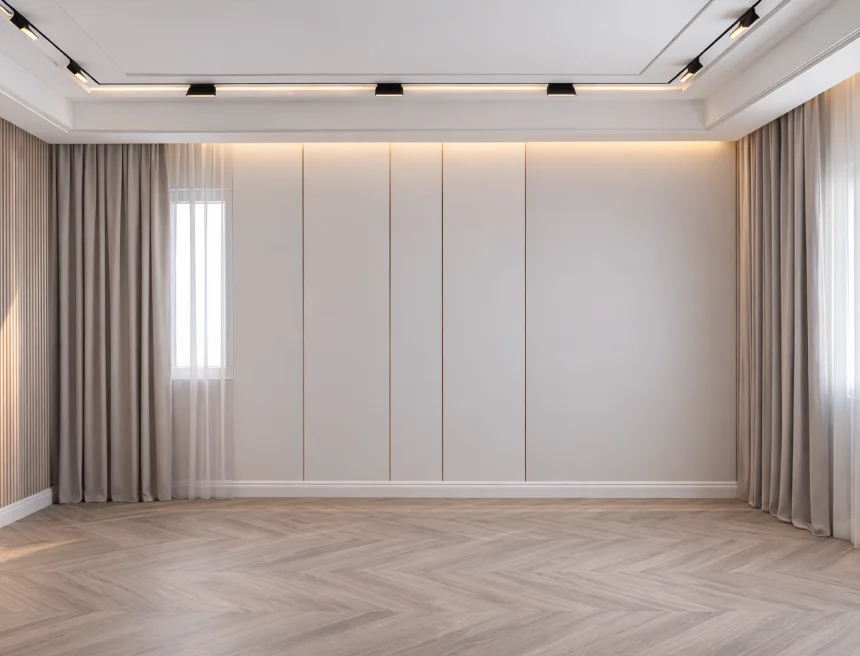
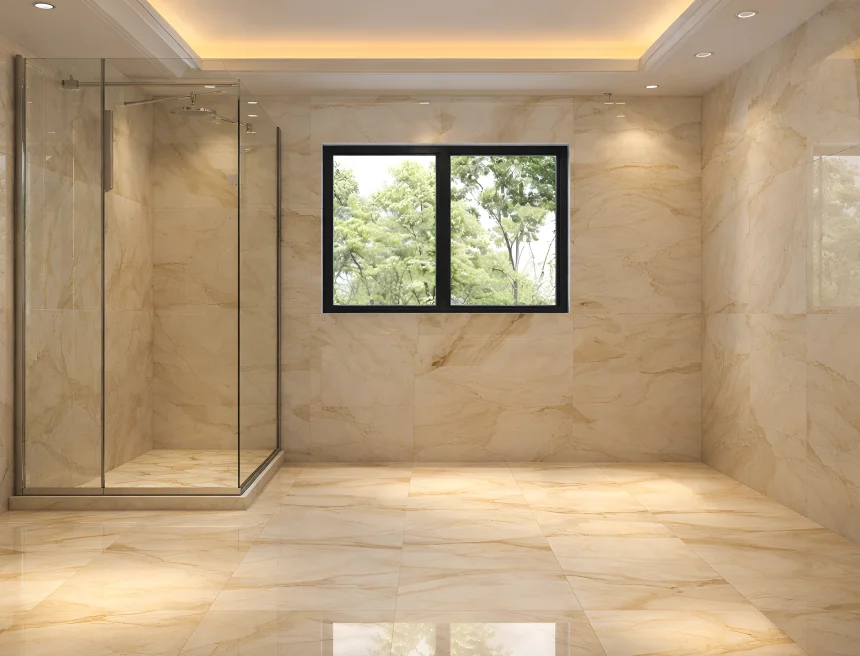
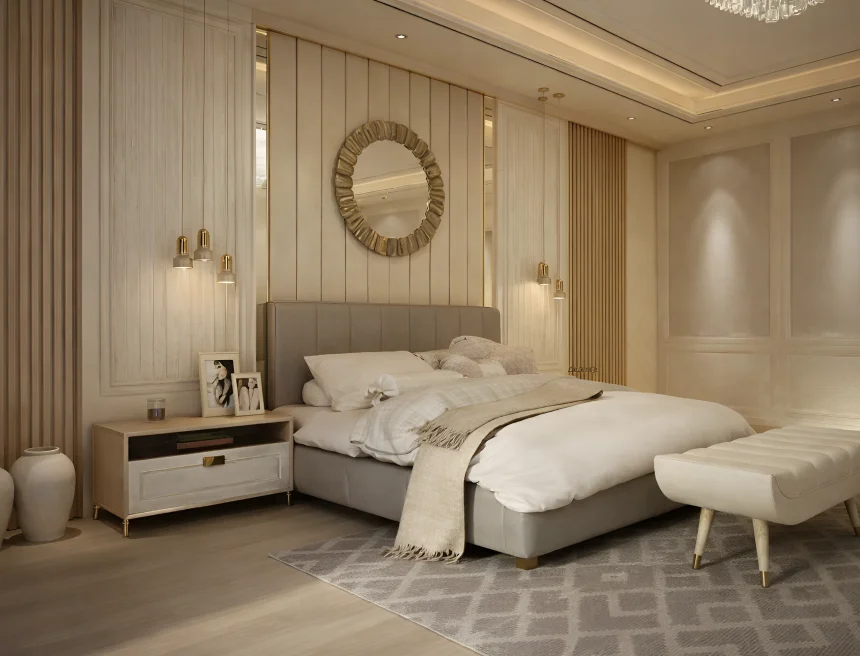
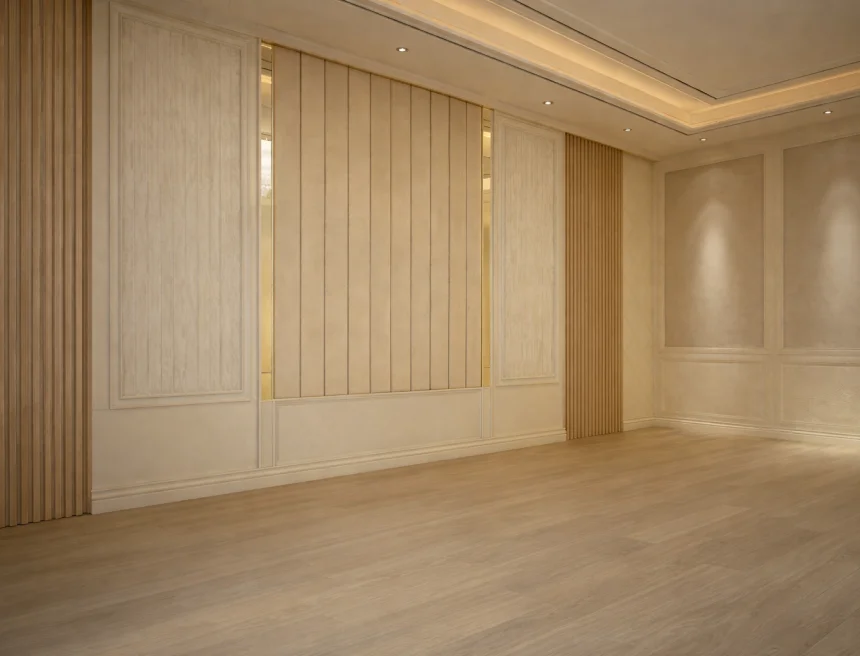
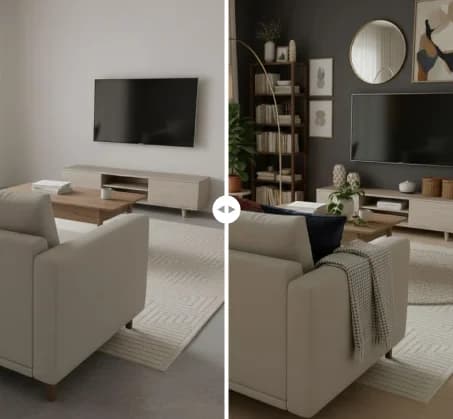
Observe how a blank room is transformed with marble textures, precise lighting, and premium finishes that define a luxury environment.
The Essence of Luxury Design — What Truly Defines It?
Luxury interior design is defined by intention, not ornamentation. It is the result of disciplined material selection, architectural refinement, and spatial balance working in harmony.
At its core, luxury is about experience. The way light reflects off polished stone. The softness of layered textiles. The precision of custom-built cabinetry. Every detail contributes to a cohesive atmosphere that feels curated and enduring.
What Defines True Luxury Interiors:
Material Integrity
Natural stone, solid wood, premium metals, and handcrafted finishes establish authenticity and depth.
Architectural Presence
Paneling, ceiling treatments, statement staircases, and custom millwork create structure and dimension.
Proportion & Scale
Furniture and décor are selected to complement spatial volume, ensuring balance without overcrowding.
Layered Lighting
Ambient, task, and accent lighting are strategically integrated to enhance mood and highlight textures.
Craftsmanship & Customization
Tailored furniture, bespoke detailing, and precision finishes elevate the space beyond standard design.
Luxury interiors are calm, composed, and deliberate. They avoid trend-driven excess and instead focus on timeless structure, tactile richness, and refined execution.
The Atmosphere Luxury Design Creates
Luxury interiors evoke:
- ·Serenity
- ·Refinement
- ·Confidence
- ·Prestige
- ·Architectural balance
Ideal Applications for Luxury Design
Luxury design performs best in:
- ·High-end private residences
- ·Penthouse apartments
- ·Villas and estate homes
- ·Boutique hospitality spaces
- ·Executive offices
- ·Formal living and entertaining areas
The style thrives in environments where scale, architectural detailing, and material quality can be fully expressed. High ceilings, expansive layouts, and defined spatial zoning enhance the impact. When executed thoughtfully, luxury design transforms interiors into immersive spaces defined by comfort, craftsmanship, and enduring elegance.
How RenoAI Visualizes Luxury Interiors Instantly
Transform any space into a refined, high-end interior using RenoAI’s AI-powered visualization in just a few steps.
Luxury concepts become presentation-ready in seconds.
RenoAI transforms imagination into structured, high-end visual clarity. Luxury interiors can be explored, refined, and finalized with confidence before a single physical change is made.
Click here to See the tutorialCore Characteristics of Luxury Interiors
Luxury interiors are defined by precision, material integrity, and spatial balance. The design is never accidental. Every finish, proportion, and transition is carefully curated to create a cohesive and elevated environment.
Below are the defining characteristics that shape authentic luxury interiors.
1. Premium Material Selection
Luxury design prioritizes quality over trend.
- ·Natural marble and stone
- ·Solid wood and bespoke cabinetry
- ·High-end metals such as brass or brushed nickel
- ·Tailored upholstery in linen, velvet, or leather
- ·Seamless flooring with refined finishes
Materials are layered thoughtfully to create depth without visual overload.
2. Architectural Detailing
Luxury spaces are framed by structure.
- ·Wall paneling and custom molding
- ·Coffered or recessed ceilings
- ·Built-in shelving and millwork
- ·Grand staircases or focal fireplaces
- ·Framed doorways and defined transitions
Architectural refinement adds dimension and permanence.
3. Proportion and Scale
Balance defines elegance.
Furniture is selected according to ceiling height and room volume. Oversized pieces anchor expansive spaces, while streamlined silhouettes maintain openness.
Nothing feels crowded. Nothing feels undersized.
4. Layered Lighting Strategy
Lighting in luxury interiors is layered and intentional.
- ·Ambient ceiling lighting
- ·Accent wall lighting
- ·Statement chandeliers
- ·Sculptural floor and table lamps
The goal is warmth, depth, and subtle drama without harsh contrast.
5. Refined Color Composition
Luxury color palettes are controlled and cohesive.
- ·Soft neutrals with tonal layering
- ·Deep accent hues used selectively
- ·Metallic finishes for highlight
- ·Monochrome schemes for calm sophistication
Color supports atmosphere rather than dominating it.
6. Craftsmanship and Customization
True luxury often includes custom elements.
- ·Made-to-measure furniture
- ·Hand-finished cabinetry
- ·Tailored drapery
- ·Bespoke decorative features
Personalization elevates the space beyond standardized design.
Luxury Color Palette Guide: How to Choose the Right Colors for Luxury Design
Luxury interiors rely on controlled color layering rather than bold contrast. The palette is refined, cohesive, and designed to enhance material richness and architectural detailing. Below is a structured guide to building an authentic luxury color composition.
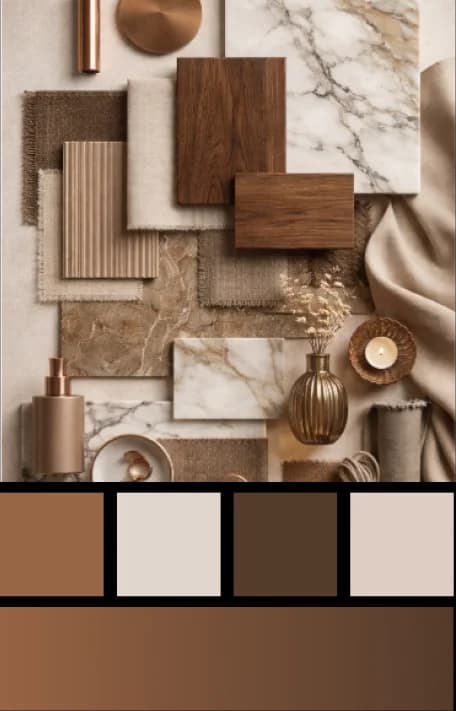
Neutral Foundations
Neutral tones create the base for sophistication.
- Whites & Off-Whites
- Beige & Warm Neutrals
- Grey & Cool Neutrals
- Brown & Earth Tones
- Black (Controlled Use)
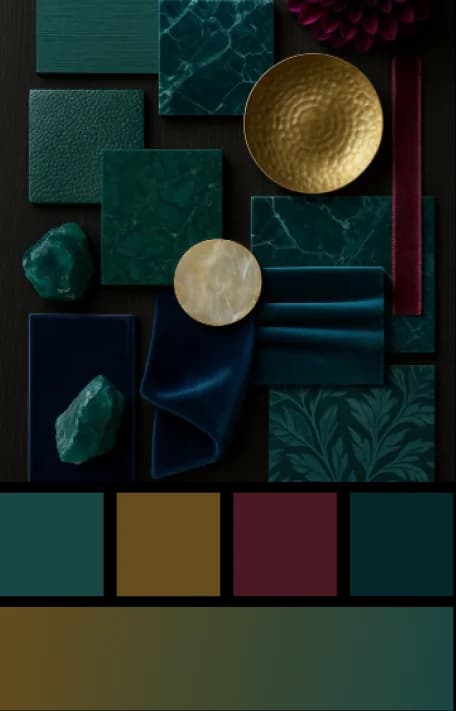
Deep Accent Tones
Accent colors introduce depth and quiet drama.
- Deep Blues
- Dark Greens
- Rich Browns & Wine Tones
- Dark Neutrals (Strong Anchors)
- Jewel Tones
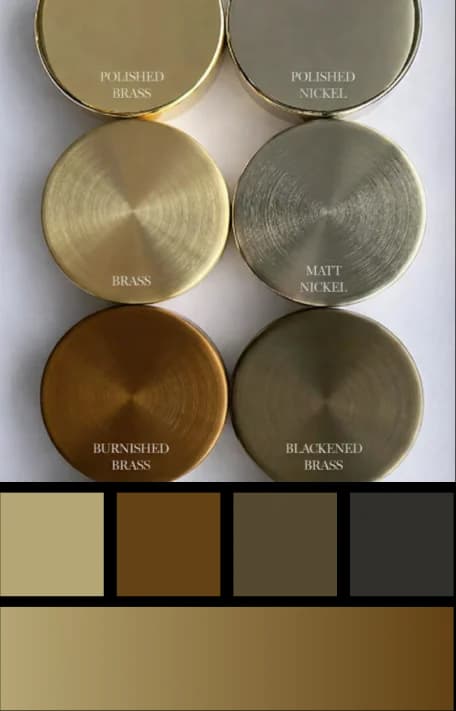
Metallic Highlights
Metallic finishes elevate luxury interiors with subtle shine.
- Gold Tones
- Champagne & Soft Gold
- Silver & Chrome
- Bronze & Copper
- Black Metal Finishes
Monochrome Luxury Schemes
A tonal approach enhances elegance.
Layering multiple shades within the same color family, such as ivory with cream and sand, creates depth without contrast. This technique highlights craftsmanship and surface variation.
How to Select Furniture and Decor for Luxury Design
Furniture and décor in luxury interiors are defined by craftsmanship, proportion, and material richness. Every piece is selected to enhance architectural clarity while reinforcing comfort and refinement.
Luxury design favors fewer, higher-quality elements over excessive ornamentation. The result is a space that feels curated, balanced, and enduring.
Signature Seating
Seating anchors the room both visually and spatially.
- Deep, structured sofas in neutral upholstery
- Sculpted armchairs with refined silhouettes
- Upholstered dining chairs with tailored detailing
- Statement lounge chairs in leather or velvet
Comfort and proportion remain equally important. Oversized forms suit expansive layouts, while streamlined silhouettes maintain openness in compact spaces.
Sculptural Tables
Tables in luxury interiors combine function with presence.
- Marble or natural stone coffee tables
- Solid wood dining tables with refined edges
- Glass-topped consoles with metallic bases
- Side tables featuring geometric or curved forms
Surface materials often introduce subtle contrast while maintaining tonal harmony.
Custom Casegoods & Storage
Built-in and bespoke furniture elevate luxury design.
- Floor-to-ceiling cabinetry
- Integrated shelving systems
- Fluted or paneled wardrobe fronts
- Concealed storage solutions
Clean lines and seamless integration prevent visual clutter.
Layered Textiles
Textiles add softness and tactile richness.
- Linen and silk drapery
- Velvet or suede upholstery
- Handwoven rugs
- Textured throws and cushions
Fabric layering enhances warmth without overpowering the design.
Curated Decorative Elements
Décor in luxury interiors is restrained yet impactful.
- Sculptural art pieces
- Framed large-scale artwork
- Statement mirrors
- Crystal or metallic accents
- Architectural vases and objects
Accessories are carefully spaced to maintain visual breathing room. Luxury furniture and décor succeed when proportion, material integrity, and craftsmanship align. The space should feel elevated yet effortless, refined yet comfortable - a balance of structure and softness that defines timeless luxury.
How to Create a Luxury Interior: Step-by-Step Guide
Transform your space into a refined, high-end environment with these structured and practical design steps.
Begin with a Neutral Architectural Base
Luxury interiors start with calm, balanced foundations.
- ·Soft ivory, taupe, or stone walls
- ·Seamless flooring in wood or marble tones
- ·Clean ceiling lines or subtle molding
A restrained base allows materials and detailing to stand out without visual distraction.
Invest in One Statement Element
Every luxury space benefits from a focal point.
- ·Marble feature wall
- ·Grand chandelier
- ·Oversized sectional sofa
- ·Sculptural dining table
One strong centerpiece establishes presence and anchors the room.
Prioritize Premium Materials
Material selection defines authenticity.
- ·Natural stone surfaces
- ·Solid wood furniture
- ·Tailored upholstery
- ·High-quality metals
Avoid synthetic finishes that imitate luxury. Material integrity enhances longevity and visual depth.
Maintain Proportion and Scale
Balance is essential.
- ·Match furniture size to room volume
- ·Avoid undersized décor in expansive spaces
- ·Ensure adequate spacing between pieces
Luxury interiors feel open and composed, never crowded.
Layer Lighting Strategically
Lighting creates atmosphere.
- ·Ambient ceiling lighting
- ·Accent wall lighting
- ·Statement pendants or chandeliers
- ·Table and floor lamps
Layering light enhances texture, depth, and warmth.
Incorporate Architectural Detailing
Structure elevates the design.
- ·Wall paneling or millwork
- ·Framed doorways
- ·Ceiling recesses
- ·Built-in cabinetry
Architectural definition adds permanence and sophistication.
Add Controlled Contrast
Luxury does not rely on bold color clashes.
- ·Pair light neutrals with deep accent tones
- ·Introduce metallic highlights selectively
- ·Use tonal layering for subtle depth
Contrast should enhance balance, not dominate it.
Curate, Don’t Overdecorate
Restraint defines elegance.
- ·Display fewer decorative objects
- ·Keep surfaces partially open
- ·Hide cords and clutter
- ·Avoid overcrowded shelves
Each item should feel intentional and refined.
Introduce Texture for Warmth
Texture prevents the space from feeling flat.
- ·Linen or silk drapery
- ·Velvet cushions
- ·Handwoven rugs
- ·Matte and polished surface contrast
Layered textures add quiet richness.
Edit for Timeless Appeal
Luxury design favors longevity over trend.
- ·Avoid overly trendy furniture shapes
- ·Select classic silhouettes
- ·Maintain cohesive finishes
- ·Focus on craftsmanship
When every detail feels deliberate, the space reflects quiet confidence and enduring sophistication.
7 Common Mistakes to Avoid in Luxury Interior Design
Mistake #1: Confusing Luxury with Excess
Overloading the space with ornate décor, heavy finishes, or too many statement pieces disrupts balance.
Correction: Focus on fewer, high-quality elements. Allow each piece room to breathe.
Mistake #2: Mixing Too Many Finishes
Uncontrolled combinations of gold, chrome, wood tones, and stone textures reduce cohesion.
Correction: Limit the palette to complementary materials and repeat finishes consistently throughout the space.
Mistake #3: Ignoring Proportion and Scale
Undersized furniture in large rooms or oversized pieces in compact layouts disturb visual harmony.
Correction: Select furniture scaled to ceiling height and room volume. Maintain clear spacing between pieces.
Mistake #4: Overusing Dark Tones
Deep hues can create intimacy, but excessive darkness without lighting balance makes the space feel heavy.
Correction: Layer lighting and introduce lighter neutrals to maintain brightness and depth.
Mistake #5: Neglecting Architectural Detailing
Flat walls and minimal framing can make even premium furniture feel incomplete.
Correction: Incorporate paneling, molding, or subtle structural enhancements to anchor the design.
Mistake #6: Choosing Trend-Driven Pieces
Highly trendy furniture and décor may date quickly, reducing long-term value.
Correction: Prioritize timeless silhouettes, neutral foundations, and quality craftsmanship.
Mistake #7: Overcrowding Surfaces
Luxury is never cluttered. Excess décor weakens sophistication.
Correction: Keep tables and shelves partially open. Display only a few curated objects.
Luxury interiors succeed when every detail is intentional. Refinement, balance, and material integrity create an environment that feels calm, confident, and enduring.
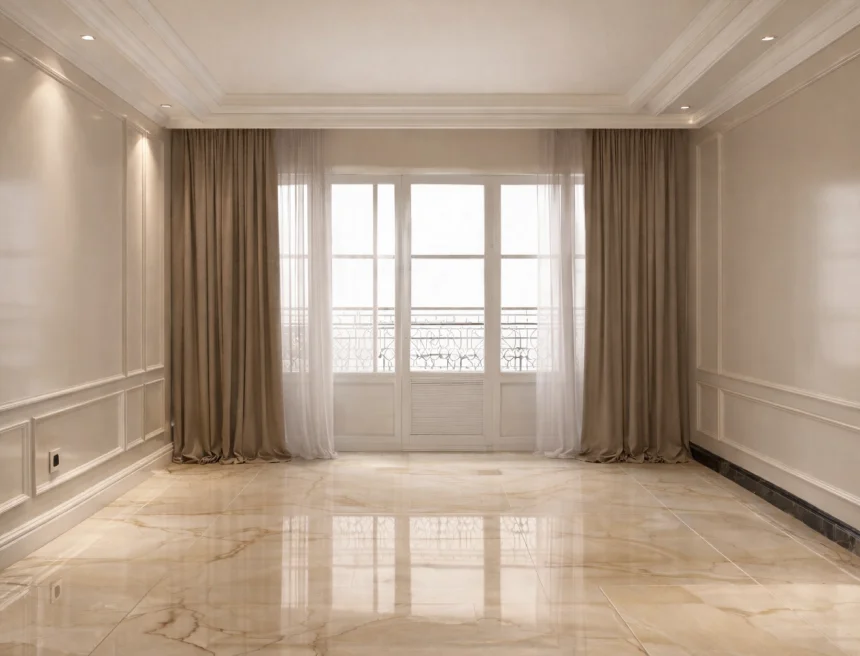
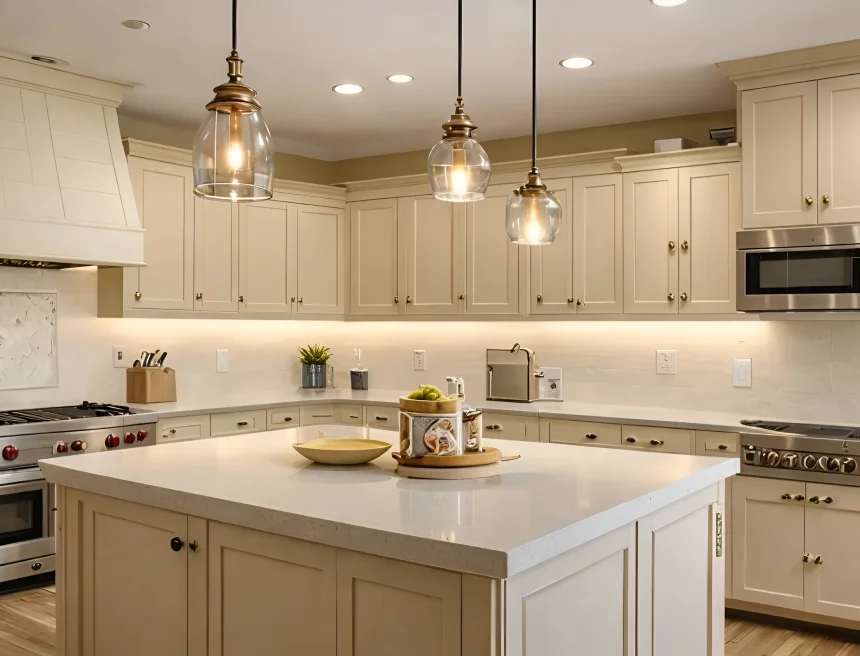
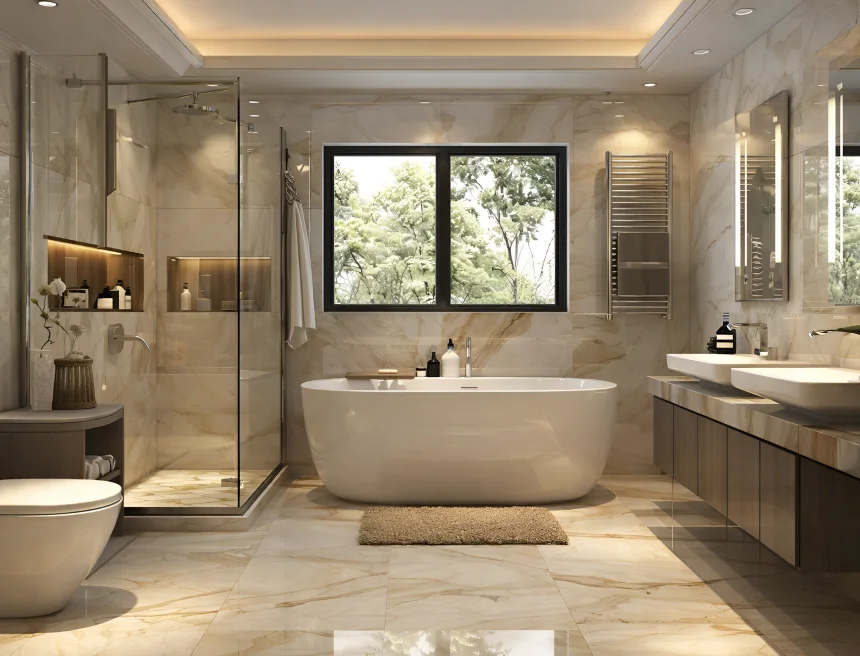
Room-by-Room Luxury Interior Guide
Explore how luxury design adapts across different spaces.
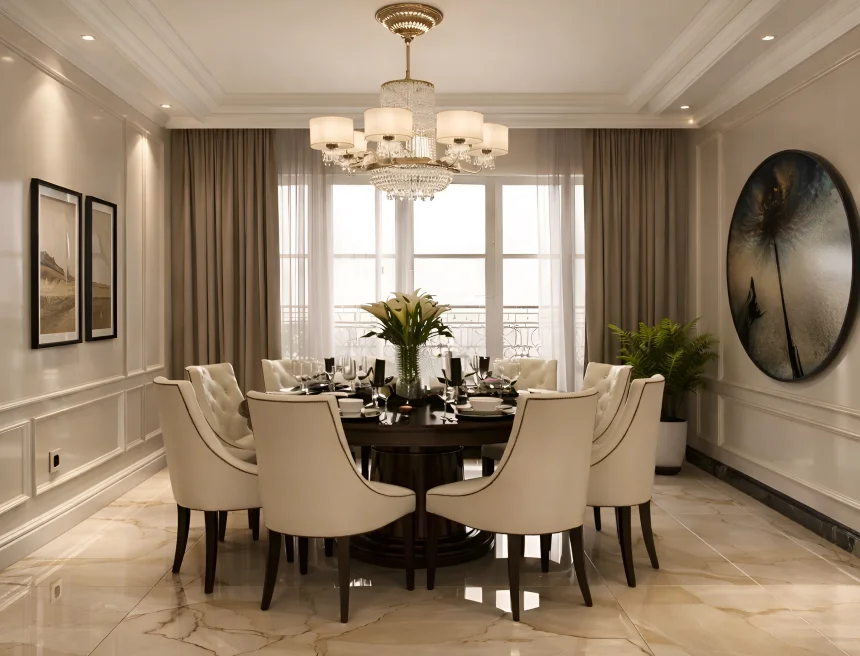
Try Luxury Style on Your Space- Free
Instant AI generation with 100 free credits. No credit card needed.
Start Free Now
See Luxury Design Come to Life in Your Space
Upload your room image and preview refined materials, balanced proportions, and elevated finishes before committing to any design changes.
Preview Luxury Now